Introduction
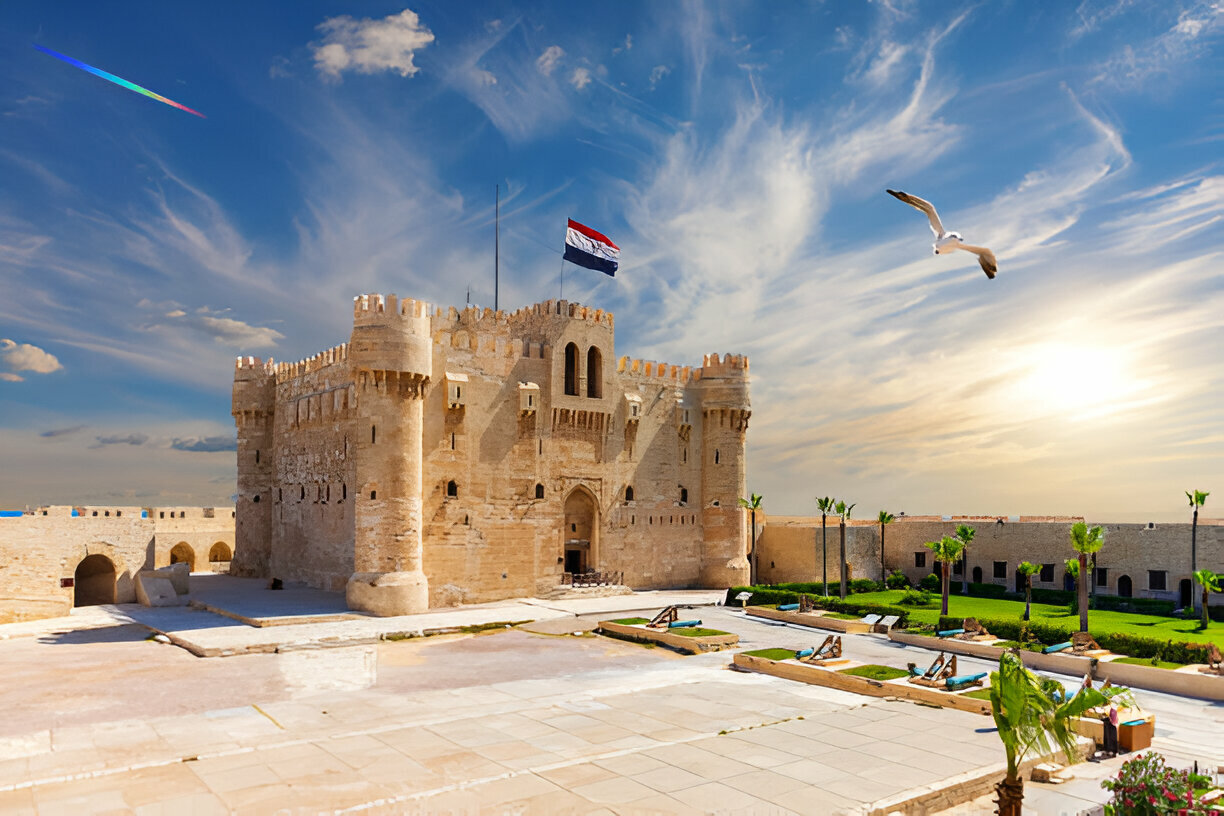
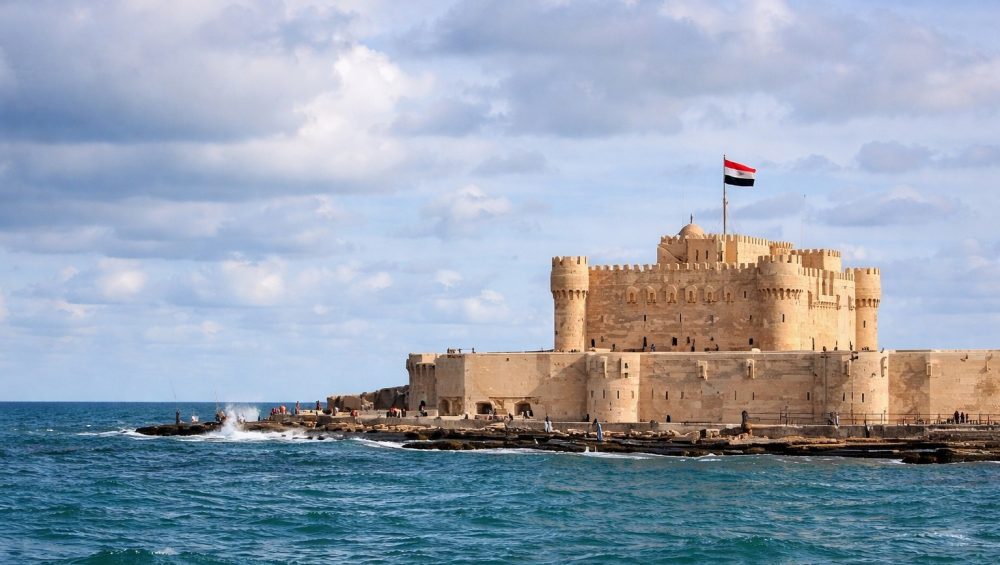
The Qaitbay Citadel, located on the eastern tip of the Alexandria Corniche, is one of Egypt’s most remarkable historical landmarks. Built in the 15th century, this fortress has stood the test of time, symbolizing the strategic importance of Alexandria and showcasing the incredible architecture of the Mamluk era. For travelers interested in history, culture, and architecture, Qaitbay Castle is a must-visit destination in Egypt.
History of Qaitbay Citadel
The Qaitbay Citadel was constructed in 1477 AD by Sultan Al-Ashraf Sayf al-Din Qa’it Bay, a ruler of the Mamluk dynasty. It was built on the exact location of the ancient Pharos Lighthouse of Alexandria, one of the Seven Wonders of the Ancient World, which was destroyed by earthquakes centuries earlier.
The fortress served as a defensive stronghold to protect Alexandria from Ottoman invasions and European attacks during the late medieval period. Its strategic location allowed it to control the entrance to the Eastern Harbor, making it a critical military asset.
Over the centuries, the Qaitbay Fort underwent several renovations and restorations, including during the reign of the Ottoman Empire, ensuring that it remained a vital defense point along the Mediterranean coast.
Architecture of Qaitbay Fort
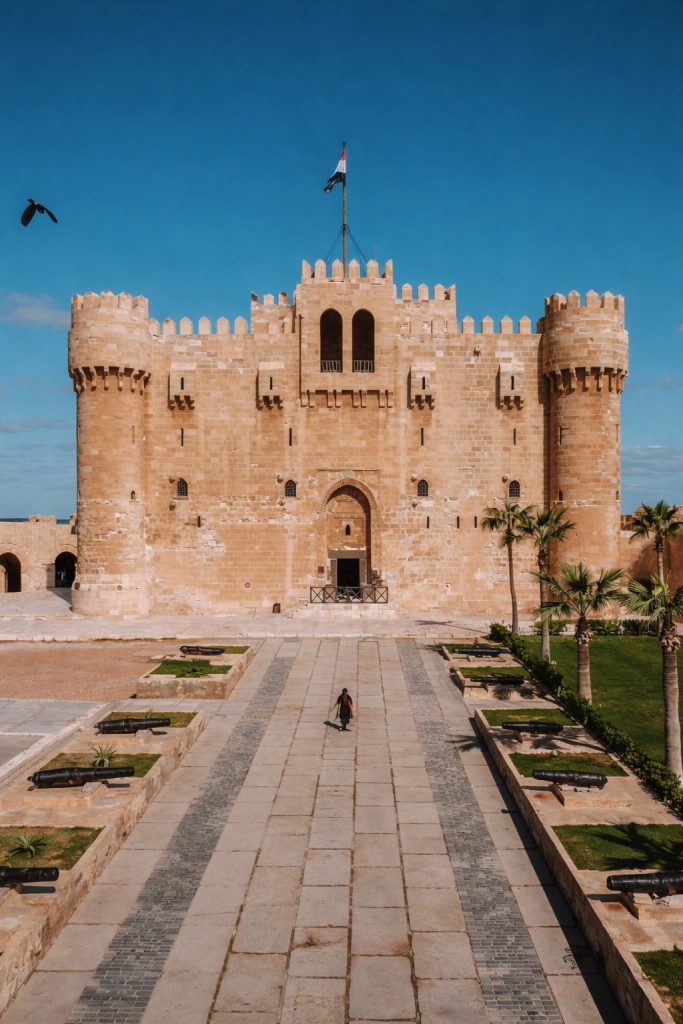
The architecture of Qaitbay Citadel reflects classic Mamluk military design, combining both functionality and aesthetics. Built mainly from limestone blocks, the fortress includes:
- High walls and towers: Offering panoramic views of the Mediterranean Sea and the surrounding city.
- Cannon placements: Designed for optimal defense against naval attacks.
- Stone battlements and watchtowers: Strategically positioned to monitor approaching enemies.
- Main entrance gates: Decorated with intricate stone carvings that highlight the Mamluk architectural style.
Visitors can explore the inner courtyards, military barracks, and climb the towers for breathtaking views of Alexandria’s coastline.
Things to See at Qaitbay Citadel
- The Fortress Walls – Sturdy limestone walls that have protected Alexandria for centuries.
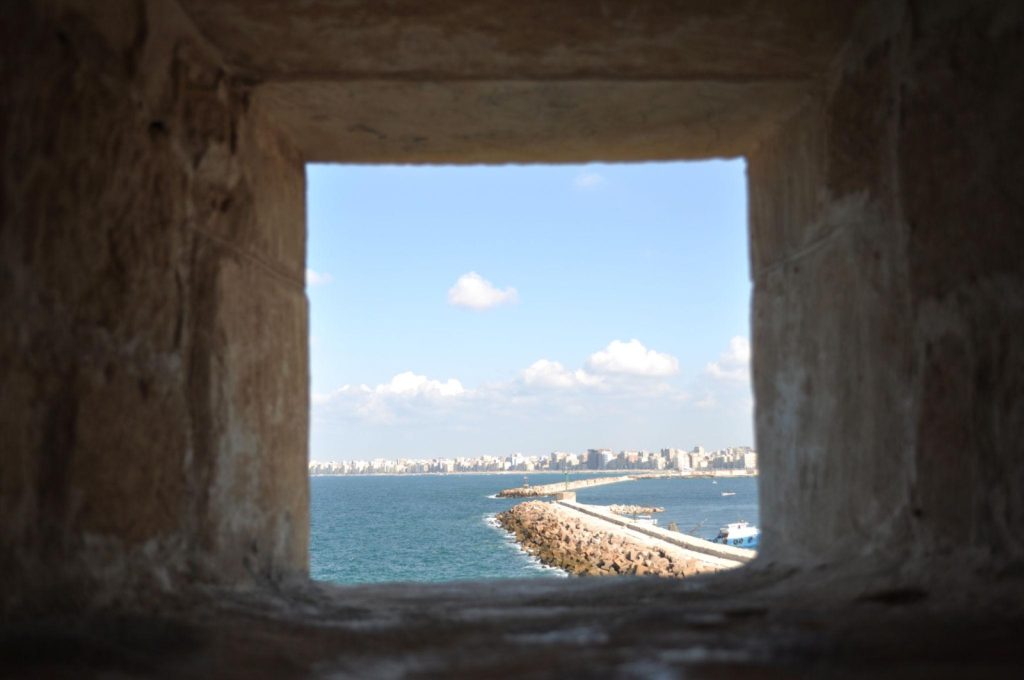
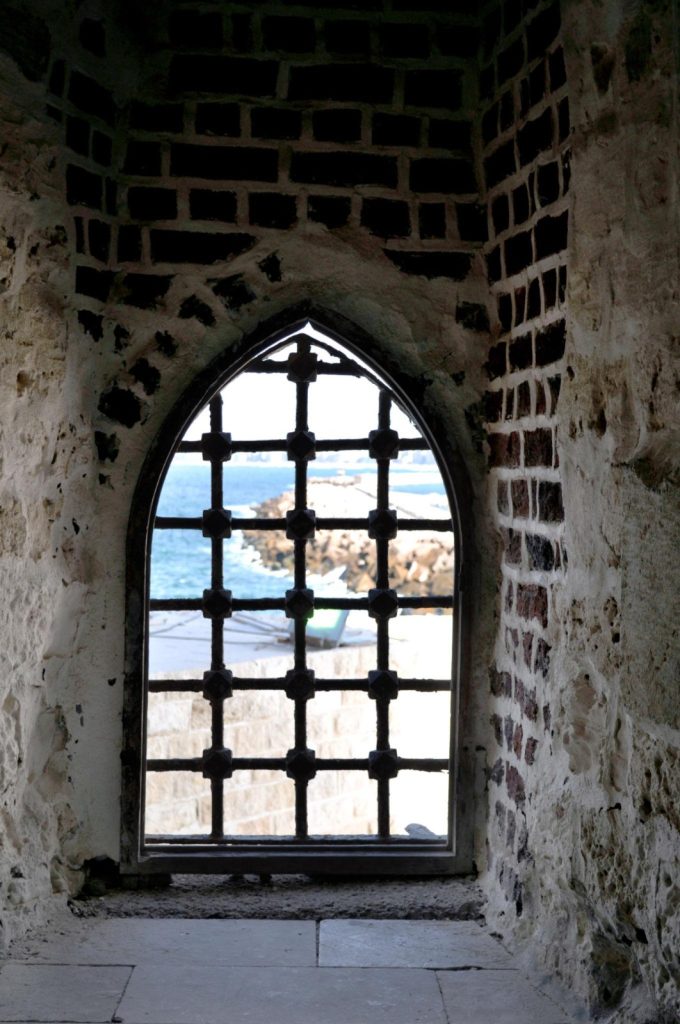
- Panoramic Views – From the top of the towers, visitors can enjoy sweeping views of the Mediterranean Sea and Alexandria’s skyline.
- Historical Cannons – Original cannons from the 15th century are still on display, reflecting the fort’s defensive role.
- Stone Carvings and Mamluk Decorations – Intricate designs showcase the craftsmanship of the Mamluk period.
- Marina and Corniche Views – The citadel is adjacent to the modern marina, offering perfect spots for photography.
Visiting Qaitbay Citadel
Qaitbay Fort is open daily to tourists, and it’s recommended to visit in the morning or late afternoon to enjoy the cool sea breeze and avoid the midday heat.
Tips for tourists:
- Wear comfortable shoes as the fort involves climbing stairs and walking along uneven surfaces.
- Bring a camera to capture the stunning views of Alexandria’s harbor and Mediterranean coastline.
- Combine your visit with a walk along the Alexandria Corniche to enjoy local cafes and restaurants.
Why Qaitbay Citadel is a Must-Visit
- Rich Historical Significance – It connects modern visitors to Alexandria’s past and the legendary Pharos Lighthouse.
- Architectural Marvel – A prime example of Mamluk military architecture.
- Scenic Views – The Mediterranean Sea provides a breathtaking backdrop for photography.
- Cultural Experience – Visitors can feel the medieval atmosphere and learn about Egypt’s defense history.
Conclusion
The Qaitbay Citadel in Alexandria is more than just a fortress; it’s a symbol of Egypt’s historic strength, architectural brilliance, and cultural heritage. Whether you are a history enthusiast, a photography lover, or a casual traveler, the citadel offers an unforgettable experience. Make sure to include Qaitbay Fort on your Alexandria sightseeing itinerary, and witness the legacy of one of Egypt’s most iconic landmarks.
The Qaitbay Citadel stands proudly on the Mediterranean coast of Alexandria, occupying the exact site of the legendary Lighthouse of Alexandria, one of the Seven Wonders of the Ancient World. Built in 1477 AD by Sultan Al-Ashraf Sayf al-Din Qaitbay, the fortress was designed to protect Egypt’s northern shores from naval invasions. Today, the citadel remains one of the most iconic landmarks in Alexandria, attracting visitors with its impressive Islamic military architecture, massive stone walls, panoramic sea views, and rich Mamluk history. Walking through its towers and corridors offers a unique journey into Egypt’s medieval past while enjoying breathtaking coastal scenery.