
Sweet Home Cairo: Enjoy a Traditional Egyptian Dinner with a Local Family

Traveling is not only about visiting famous places or taking photos of historical landmarks. Sometimes, the experiences that help you understand a country best are the simple ones, like sitting down for a homemade meal and talking to the people who live there.

If you’re visiting Cairo and want to discover a more personal side of Egyptian life, Sweet Home offers a chance to spend an evening with a local Egyptian couple, enjoy traditional food, and learn about everyday customs in a relaxed home setting.

Rather than booking another table at a restaurant, you’ll be welcomed into a family home where food, conversation, and cultural exchange are all part of the evening. You can also take part in preparing the meal if you feel like trying something new.

It’s a lovely way to add a different kind of experience to your Egypt itinerary, especially if you enjoy meeting local people and discovering a destination beyond its usual tourist attractions.

Get to Know Cairo Beyond Its Famous Attractions

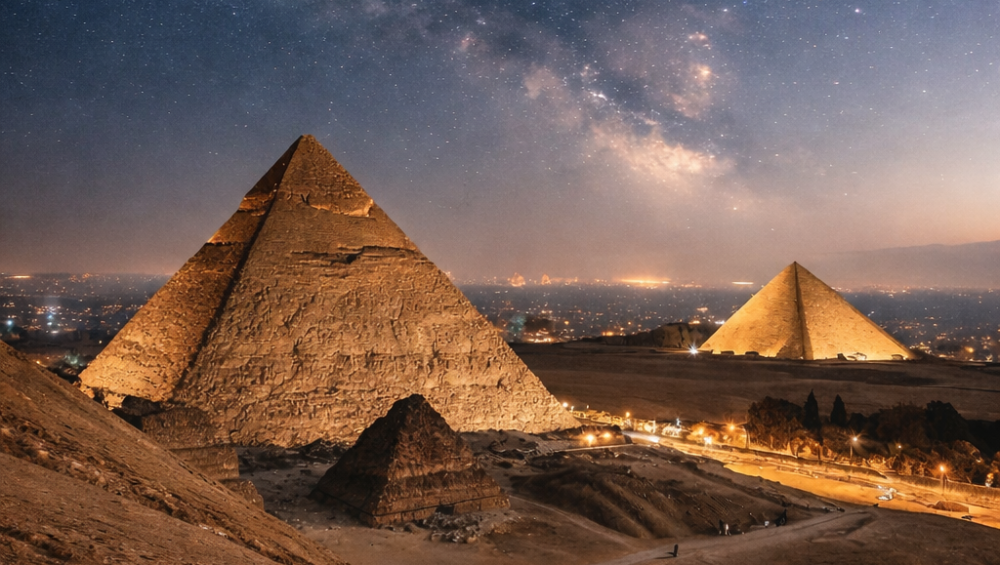
Cairo has plenty to keep visitors busy. You can spend your morning exploring the Giza Pyramids, visit museums filled with ancient treasures, walk through historic neighborhoods, or browse the city’s traditional markets.

But there is more to the Egyptian capital than its landmarks.

Everyday life in Cairo is full of family gatherings, neighborhood traditions, homemade recipes, and long conversations over food and tea. These ordinary moments can tell you a lot about the people and the culture behind the city’s famous history.

Sweet Home gives visitors an opportunity to experience this side of Egypt in a personal way. You’ll meet a local couple, learn about their home and traditions, and share a meal in an environment that feels different from a typical sightseeing tour.

You don’t need to prepare anything special or know much about Egyptian culture before arriving. Just come with an open mind and an interest in learning about life in another country.

Meet the Couple Who Created Sweet Home

Sweet Home grew out of a simple idea: opening a home to visitors who want to experience Egyptian hospitality firsthand.

The experience was created by a young Egyptian couple who wanted to bring people from different backgrounds together. They saw sharing food as a natural way to introduce visitors to local traditions while learning about other cultures themselves.

A home provides a different setting for these encounters. Guests aren’t limited to asking questions during a guided tour or listening to explanations at a historical site. Instead, they can have real conversations, exchange stories, and discover the small details of daily life that rarely appear in travel guides.

For visitors, this means getting to know Egypt through the people who live there. For the hosts, it creates an opportunity to welcome guests from different countries and share something personal about their culture.

The result is an experience built around hospitality rather than a formal sightseeing schedule.

What Makes a Dinner at Sweet Home Different?

Eating traditional food is already a great way to explore a new destination, but sharing that food inside a local home adds another dimension to the experience.

At Sweet Home, the evening isn’t just about what appears on your plate. It’s also about how the meal comes together, the conversations that happen along the way, and the opportunity to learn directly from your hosts.

You can ask about Egyptian customs, talk about life in Cairo, or share stories about your own country. You may discover similarities between your family’s traditions and those of your hosts, even if you come from completely different backgrounds.

There is no need to follow a strict schedule around every conversation. The atmosphere is intended to be relaxed, giving you time to enjoy the food and get to know the people around the table.

For travelers who want something more personal than a restaurant visit, this can be a memorable addition to a stay in Cairo.

Join the Preparation of a Homemade Egyptian Meal

One of the enjoyable parts of the Sweet Home experience is the chance to see how a meal is prepared in a real Egyptian kitchen.

Depending on your interest, you can join your hosts while they prepare the selected dishes. You might learn about familiar ingredients, discover how certain spices are used, or help with some of the preparation.

You don’t need any cooking skills to participate. This isn’t a professional cooking class with complicated techniques or a test of your culinary abilities. It’s an informal opportunity to take part in a familiar activity and learn a little along the way.

If cooking isn’t your thing, that’s perfectly fine. You can sit back, enjoy the atmosphere, and chat with your hosts while dinner is being prepared.

The experience can be enjoyable for anyone who likes food, whether you’re someone who regularly cooks at home or simply enjoys trying dishes you’ve never tasted before.

Explore Egyptian Food and Family Recipes

Egyptian cuisine has a special place in everyday life. Many dishes are connected to family gatherings, celebrations, and recipes that have been prepared in homes for generations.

The menu at Sweet Home can be arranged around available options and your food preferences, with traditional Egyptian dishes at the heart of the experience. When making your booking, you can discuss the choices and let the organizers know what you’d like to try.

Here are a few well-known Egyptian foods that may help you discover the country’s culinary traditions.

Koshari: A Favorite Egyptian Classic

Koshari is one of the best-known dishes in Egypt. It brings together rice, pasta, lentils, chickpeas, tomato sauce, and crispy fried onions in one filling meal.

The combination might sound unusual if you’ve never tried it, but its different textures and flavors are part of what makes it so popular. It’s a familiar comfort food for many Egyptians and a good introduction to the country’s everyday cuisine.

Mahshi: A Dish Often Shared at Family Gatherings

Mahshi refers to vegetables or vine leaves stuffed with a seasoned rice mixture, usually prepared with herbs and spices.

Making mahshi can take time, which is one reason its preparation is often associated with family gatherings. Different people may help with the work, turning the cooking process into a chance to sit together and talk.

For visitors, learning about this dish offers a glimpse into the role that food preparation plays in Egyptian family life.

Molokhia: A Traditional Homemade Favorite

Molokhia is prepared using finely chopped leafy greens and is commonly seasoned with garlic and coriander. It is often served as part of a larger meal with rice and other dishes.

Its taste and texture may be new to some international visitors, but it has a familiar place on many Egyptian family tables.

Trying a traditional dish in a home setting can also be a good opportunity to ask how it is usually prepared and when families enjoy eating it.

Feteer: A Flaky Egyptian Pastry

Feteer is a layered pastry that can be served with either sweet or savory fillings and accompaniments.

Its texture and versatility make it an interesting example of the variety found in Egyptian food. Depending on how it is prepared, it can be enjoyed as a snack, part of a meal, or a sweet treat.

Please keep in mind that these dishes are examples of Egyptian cuisine, not a guaranteed menu for every visit. The actual meal depends on the options arranged for your experience.

Share Stories and Learn About Everyday Egyptian Life

Food may bring everyone to the table, but conversation is often what makes the evening memorable.

While enjoying dinner, you can talk with your hosts about life in Cairo, family traditions, celebrations, and the things they enjoy doing in their free time. You can also tell them about your own home, your travels, and the customs that are important to you.

These exchanges don’t need to be serious or planned. Sometimes, a simple question about a dish leads to a story about a family recipe. A conversation about holidays may reveal how different cultures celebrate similar occasions in their own ways.

This is what makes a home-hosted experience different from simply learning facts about a destination. You’re hearing personal perspectives and having the chance to ask questions in a natural setting.

You may leave with a better understanding of Egyptian culture, along with a few new stories of your own to share when you return home.

Finish the Evening with Egyptian Tea and Dessert

In Egypt, tea is often part of the time people spend together after a meal. It gives everyone a reason to stay at the table a little longer rather than rushing off as soon as dinner is finished.

At Sweet Home, Egyptian tea and dessert are part of the experience after dinner.

It’s a chance to slow down, enjoy something sweet, and continue chatting with your hosts. You can reflect on what you’ve learned, ask any remaining questions, or simply enjoy the relaxed atmosphere.

After a busy day exploring Cairo, this quieter part of the evening can be a welcome change of pace.

Who Should Try the Sweet Home Experience?

A home-hosted dinner can suit different types of travelers, especially those who enjoy cultural activities and meeting local people.

Couples may appreciate having a different kind of evening together, away from the usual tourist attractions. Friends can share new flavors and conversations, while families have an opportunity to introduce children to another culture in an informal setting.

Solo travelers may also enjoy the chance to spend time with local hosts instead of having every activity revolve around sightseeing.

You don’t have to be interested in cooking to enjoy the visit, and you don’t need to be an expert on Egyptian history. An interest in food, everyday traditions, or simply meeting people from another culture is more than enough.

If you prefer experiences that allow you to connect with a destination on a personal level, Sweet Home may be a good fit for your time in Cairo.

How Your Sweet Home Visit Works

The arrangements are designed to make your visit straightforward, from leaving your hotel to returning at the end of the evening.

1. Pick Up from Your Hotel

Your experience begins with an arranged pickup from your hotel in Cairo. You’ll travel to Sweet Home in a private vehicle with the assistance of your tour leader.

2. Arrive and Meet Your Hosts

Once you arrive, you’ll meet the Egyptian couple welcoming you into their home. You’ll have time to settle in and get comfortable before the meal begins.

3. Take Part in the Kitchen Activities

Your hosts will prepare the meal selected for your visit. If you wish, you can join them and help with some of the preparation. Otherwise, you can relax and enjoy the conversation.

4. Enjoy Dinner Together

Sit down for your Egyptian meal and discover the flavors of local home cooking. This is also a good time to ask about the dishes, exchange stories, and learn more about your hosts’ everyday lives.

5. Have Tea and Dessert

After dinner, enjoy Egyptian tea and dessert while the conversation continues. There’s time to unwind and appreciate the hospitality before heading back.

6. Return to Your Hotel

At the end of the visit, your arranged transportation will take you back to your hotel.

The experience includes hotel pickup, return transportation, and a tour leader. Make sure to confirm the available menu and any additional arrangements when booking.

Is Sweet Home Worth Adding to Your Cairo Itinerary?

If your travel plans already include the Pyramids of Giza, museums, and Cairo’s historic sites, a home-hosted dinner offers something different to balance your sightseeing.

Historical attractions help you understand Egypt’s past, while a visit to a local home gives you a chance to learn about the country through its people and present-day traditions.

It can also be a welcome way to spend an evening without moving between several attractions or following a packed schedule. You have time to sit down, enjoy a meal, and experience Egyptian hospitality in a more personal setting.

Cairo has no shortage of restaurants, so this experience isn’t meant to replace them. Instead, it offers another way to enjoy Egyptian cuisine, with the added opportunity to meet local hosts and learn about their culture.

For visitors who value authentic encounters as much as famous sights, that difference may be exactly what makes the evening worthwhile.

Frequently Asked Questions

What is the Sweet Home dinner experience in Cairo?

Sweet Home is a home-hosted cultural experience where visitors spend an evening with a local Egyptian couple, enjoy a meal, and learn about Egyptian food and traditions. Guests can also take part in cooking if they wish.

Do I need cooking experience to participate?

No. Cooking is optional, and no previous experience is needed. You can help with the meal preparation or simply enjoy watching and talking with your hosts.

What dishes are included in the dinner?

The meal can be arranged from available menu options, with a focus on Egyptian cuisine. Specific dishes should be confirmed when booking, as the examples mentioned in this article are not a guaranteed menu.

Is transportation included?

Yes. Hotel pickup and return transportation are included, along with a tour leader who accompanies you during the experience. Confirm the pickup arrangements for your hotel when booking.

Is the experience suitable for solo travelers?

Yes. Solo travelers who enjoy meeting people and learning about local culture may find the experience especially rewarding.

Is Sweet Home suitable for families and couples?

It can be a good option for couples, families, and friends who want to enjoy Egyptian food and culture in a home setting. Share any specific requirements when arranging your visit.

Are tea and dessert included?

Yes. Egyptian tea and dessert are included after dinner.

Can I share my dietary preferences before the visit?

You can discuss your food preferences when arranging the experience. Confirm any dietary restrictions or special requests in advance so the available options can be checked.

Where does the experience take place?

Sweet Home is a home-hosted dining experience in Cairo, Egypt. Pickup and visit arrangements are coordinated through the tour company.

How can I book Sweet Home?

To arrange your visit, share your preferred date, the number of guests, and your food preferences with the tour company. Confirm the final menu, pickup details, and any special requirements before your booking is finalized.

Discover a Different Side of Egypt at Sweet Home

The Pyramids, museums, and historic streets are all important parts of a trip to Cairo. But some of the most personal travel memories come from experiences that bring you closer to the people who live in the places you visit.

At Sweet Home, you can enjoy Egyptian food, take part in preparing a meal, and spend time talking with a local couple in their own home.

There is no complicated schedule to follow and no need to know all the right questions to ask. Just enjoy the meal, be curious about the culture, and take the opportunity to share a little of your own story, too.

If you’re looking for a home-hosted dinner in Cairo that combines local cuisine with genuine cultural exchange, Sweet Home offers a welcoming way to make your Egyptian journey more personal.

Sometimes, discovering a country starts with something as simple as accepting an invitation to dinner.
Iraqi Citizens

Can Iraqi Citizens Get a Visa on Arrival in Egypt? Latest Entry Rules

Egypt is a popular destination for travelers who want to explore ancient monuments, enjoy the Red Sea, or experience the country’s culture and history. For Iraqi citizens planning a visit, one of the first questions is whether they can obtain an Egyptian visa upon arrival or need to arrange their travel documents before departure.

The answer depends on the traveler’s circumstances. Egyptian entry rules include specific exceptions for Iraqi passport holders, so it is important to check the applicable requirements before booking a flight.

Is a Visa on Arrival Available for Iraqi Citizens?

According to the Egyptian Ministry of Interior, Iraqi citizens under the age of 16 and those over the age of 60 are included in a published exception that allows them to obtain an emergency entry visa at Egyptian ports of arrival or apply through the Egyptian e-Visa portal.

This exception does not mean that every Iraqi passport holder can obtain a visa at the airport. Travelers outside these age groups should confirm the current visa procedure and whether advance security clearance is required before making their travel arrangements.

You can check the official information through the Egyptian Ministry of Interior’s website.

What About Iraqi Travelers Between 16 and 60?

Iraqi travelers who do not fall within the published age exception should not assume they can board a flight to Egypt and receive their visa at the airport.

Additional requirements may apply, including obtaining the appropriate visa in advance and securing any required approval from the Egyptian authorities. The exact procedure should be confirmed with the relevant Egyptian embassy or consulate before departure.

Checking these details early can help travelers avoid unexpected delays, denied boarding, or complications upon arrival.

Can Iraqi Citizens Apply for an Egyptian e-Visa?

Iraq is included in the list of nationalities eligible to apply through Egypt’s official electronic visa portal. However, eligibility to submit an online application does not automatically guarantee approval or remove other entry requirements that may apply to an individual traveler.

Applicants should use the official portal to review the available visa options, complete the application, and check the documents required for their trip.

The official website

Documents to Check Before Traveling to Egypt

Before departure, Iraqi travelers should confirm which documents apply to their individual case. These may include:

  • A valid Iraqi passport.
  • The appropriate Egyptian visa or approved travel authorization.
  • Any required security clearance.
  • Flight reservations and return or onward travel details, where applicable.
  • Hotel reservations or information about the planned stay.
  • Supporting documents requested by the relevant Egyptian authorities.

The required documents can vary according to the traveler’s circumstances and the applicable entry procedure.

Important Advice for Iraqi Visitors

Visa regulations can change, and individual cases may be subject to additional requirements. Travelers should verify their eligibility with an Egyptian embassy or consulate and their airline before departure.

It is especially important not to rely on general statements about visa-on-arrival eligibility without checking the rules that apply to the specific passport holder.

Final Thoughts

Can Iraqi citizens get a visa on arrival in Egypt? In certain cases, yes. The Egyptian Ministry of Interior publishes an age-based exception for Iraqi citizens under 16 and over 60. Other travelers should confirm the appropriate visa procedure and any advance approval requirements before traveling.

Iraqi Citizens
Traveling from Iraq to Egypt takes a little planning, especially when it comes to choosing the right visa. Before booking your flight, take some time to check the entry requirements for Iraqi passport holders.

The process may depend on your age, where you live, and whether you need approval before traveling. If you’re visiting family, planning a holiday, or hoping to explore Egypt’s famous landmarks, knowing these details early can make organizing your trip much easier.

Cairo is often the first stop for visitors, with its lively streets, local food, museums, and the famous Pyramids of Giza. If your schedule allows, you could also visit Luxor and Aswan to see ancient temples and discover more of Egypt’s history.

Travelers looking for a beach holiday might prefer the Red Sea, where snorkeling, diving, and relaxing by the water are popular activities. Your first step, however, should be confirming which visa procedure applies to your situation

Iraqi Citizens Check the official Egyptian e-Visa website and contact the relevant Egyptian embassy or consulate if you need clarification. Prepare the requested documents and allow enough time for any additional approval. Once your travel arrangements are confirmed, you can focus on planning the places you want to visit and making the most of your stay in Egypt.Iraqi Citizens

Christmas Trip to Egypt Cost

How Much Does a Christmas Trip to Egypt Cost? Complete Budget Guide

Christmas Trip to Egypt Cost Spending Christmas in Egypt can be a wonderful way to enjoy the holiday somewhere different. You can explore the Pyramids of Giza, discover the ancient temples of Luxor, take a trip along the Nile in Aswan, or spend a few relaxing days by the Red Sea.

But before booking your flights, you probably have one important question: how much does a Christmas trip to Egypt actually cost?

The answer depends on your travel dates, hotel preferences, the cities you want to visit, and whether you plan to join guided tours or explore independently. Christmas and New Year are also popular travel periods, so prices can be higher than during quieter months.

This guide explains the main expenses to consider and gives you a practical way to plan your Egypt Christmas holiday budget.

How Much Should You Budget for Christmas in Egypt?

As a general planning estimate, travelers can use the following daily budgets per person to start organizing their trip. These estimates assume two people sharing a hotel room and do not include international flights to Egypt.

Travel styleEstimated daily budget per person
Budget travel$50–$90
Mid-range travel$100–$220
Luxury travel$250–$600+

Christmas Trip to Egypt Cost These are broad estimates rather than confirmed Christmas 2026 prices. Your actual costs may be higher or lower depending on availability, hotel location, exchange rates, and the activities you choose.

A budget traveler might stay in a simple hotel, use trains or shared transfers, and choose a few guided excursions. A mid-range traveler may prefer comfortable hotels, private transfers for some sightseeing days, and several guided tours. Luxury travel can include high-end hotels, private Egyptologists, premium Nile cruises, and personalized transportation. Christmas Trip to Egypt Cost

1. International Flights to Egypt

Christmas Trip to Egypt Cost Your flight is often one of the biggest expenses of a Christmas holiday in Egypt.

The cost depends on where you are traveling from, whether you choose a direct or connecting flight, and how early you book. Flights around Christmas and New Year can become more expensive as departure dates approach.

Cairo is the main international gateway for many travelers. If your itinerary focuses on Luxor and Aswan, you may also want to compare flights that arrive in Cairo and depart from Aswan, or the other way around.

Before booking, compare the total cost of your flights rather than looking only at the ticket price. Baggage fees, airport transfers, and additional domestic flights can make a noticeable difference. Christmas Trip to Egypt Cost

2. Hotel Prices During Christmas

Accommodation is another major part of your Egypt Christmas trip budget.

Prices vary considerably between cities and hotel categories. Cairo and Giza offer everything from affordable guesthouses to luxury hotels overlooking the Nile or the pyramids. Luxor and Aswan have smaller hotels, historic properties, and luxury resorts, while Red Sea destinations offer beachfront resorts and all-inclusive stays.

Christmas and New Year are busy periods, so booking early can give you more choice.

When comparing hotels, check whether breakfast is included, whether airport transfers are available, and how far the property is from the attractions you plan to visit. A cheaper hotel far from the main sights may mean spending more on transportation.

3. Transportation Within Egypt

Getting around Egypt can be affordable, but transportation costs depend on how many destinations you include.

For a trip focused on Cairo, you may use taxis, ride-hailing services, or private transfers. If you are traveling between Cairo, Luxor, and Aswan, you will need to consider domestic flights, trains, or road transfers. Christmas Trip to Egypt Cost

A few common options include:

  • Domestic flights: useful for saving time between Cairo and southern Egypt, especially on shorter itineraries.
  • Trains: a practical option for some routes, including travel between Luxor and Aswan.
  • Private transfers: convenient for families, groups, or travelers visiting several sites in one day.
  • Local transportation: taxis and ride-hailing services can help with shorter journeys, depending on availability.

If you are visiting several cities in one week, transportation can become a significant expense. Allow enough time between connections and check whether your international flight departs from the same city where your sightseeing ends.

4. How Much Do Egypt Tours and Attractions Cost?

The cost of sightseeing depends on whether you visit independently, book a group tour, or arrange a private guide.

Some travelers prefer to explore Cairo on their own and book a guide for the Pyramids or the temples in Luxor. Others choose a complete package that includes transportation, entrance tickets, a guide, and meals. Christmas Trip to Egypt Cost

Popular experiences to consider in your budget include:

Visiting the Pyramids of Giza

The Pyramids and the Great Sphinx are among the main highlights of a Christmas trip to Egypt.

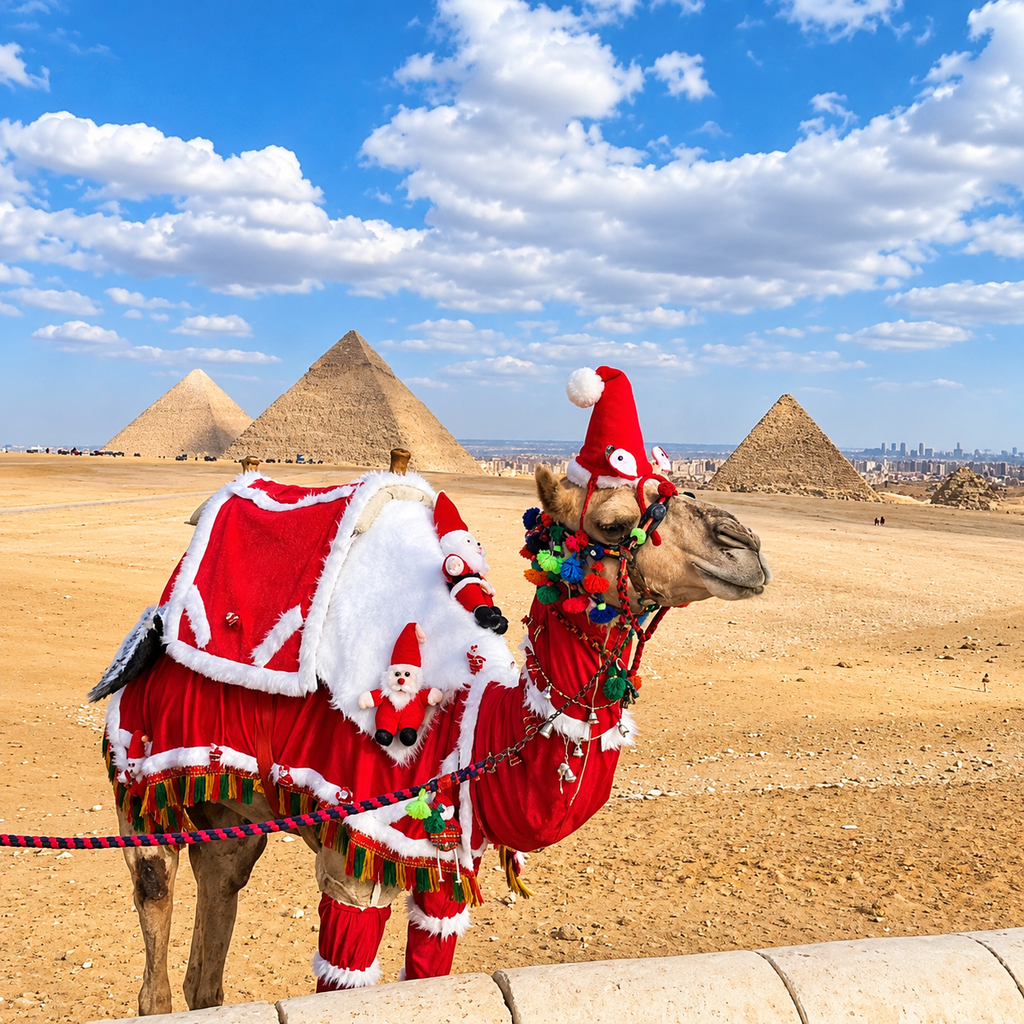
Your budget should include the relevant entrance tickets, transportation to the site, and any guided tour you choose. Additional experiences, such as entering certain pyramids or arranging a camel ride, may cost extra.

Exploring Luxor

Luxor is home to some of Egypt’s most impressive ancient sites, including Karnak Temple, Luxor Temple, the Valley of the Kings, and the Temple of Hatshepsut.

If you want to visit several sites in one day, a guided tour or private transfer can make the schedule easier to manage. Remember to check which entrance tickets are included in the tour price.

Visiting Aswan and Abu Simbel

Aswan offers a different atmosphere, with Nile views, Nubian culture, and remarkable historical sites such as Philae Temple.

Abu Simbel is another popular excursion, but it requires additional transportation and time. If it is on your wish list, include the excursion in your budget before deciding how many days to spend in Aswan. Christmas Trip to Egypt Cost

5. Is a Nile Cruise Worth the Cost at Christmas?

A Nile cruise can be one of the most memorable parts of a Christmas holiday in Egypt.

Cruises commonly operate between Luxor and Aswan, allowing travelers to visit temples along the river while enjoying accommodation and meals on board. Some packages include sightseeing with an Egyptologist, while others charge separately for excursions and entrance tickets.

The total cost depends on the cruise category, cabin type, length of stay, and what is included in the package.

Before booking, check whether the price covers:

  • Accommodation and meals on board
  • Guided visits and entrance tickets
  • Transfers to and from the cruise
  • Drinks, gratuities, and optional excursions

A Nile cruise may cost more than traveling between cities independently, but it can simplify your itinerary and reduce the need to arrange hotels and transportation separately.

6. Food and Daily Expenses

Food in Egypt can fit a wide range of budgets.

Local restaurants and traditional Egyptian meals are often affordable, while international restaurants, hotel dining, and luxury venues can cost considerably more.

If your hotel includes breakfast, you may only need to budget for lunch, dinner, snacks, and drinks. Travelers joining a Nile cruise should also check how many meals are included before estimating their daily food expenses.

It is also useful to keep some money aside for bottled water, coffee, small purchases, and occasional changes to your plans. Christmas Trip to Egypt Cost

7. Sample Christmas Trip Budgets

To make the costs easier to understand, here are three examples for a seven-day trip to Egypt.

These are illustrative planning budgets for one person sharing a hotel room. They include accommodation, meals, local transportation, and a selection of sightseeing activities, but exclude international flights and personal shopping.

ExpenseBudget tripMid-range tripLuxury trip
Accommodation$210$490$1,400
Food$105$210$420
Transportation$100$250$500
Tours and activities$150$350$700
Estimated total$565$1,300$3,020

These examples are not live hotel or tour quotations. Actual Christmas prices can differ, especially if your trip includes domestic flights, a Nile cruise, Abu Simbel, or a stay at a luxury resort.

For a more accurate budget, choose your destinations and travel dates first, then compare the prices of hotels, flights, and tours available for that specific period. Christmas Trip to Egypt Cost

8. How to Save Money on a Christmas Trip to Egypt

You do not need to choose the most expensive package to enjoy Egypt. A few simple decisions can help you keep your budget under control.

Book Your Hotels and Flights Early

Christmas is a popular season for visiting Egypt. Booking in advance can give you more accommodation choices and help you avoid paying higher last-minute prices. Christmas Trip to Egypt Cost

Choose Your Destinations Carefully

Trying to visit Cairo, Luxor, Aswan, Hurghada, and Sharm El Sheikh in one short trip can increase transportation costs and leave little time to enjoy each place.

Choose the destinations that matter most to you. A focused itinerary is often more enjoyable and easier to budget for. Christmas Trip to Egypt Cost

Compare Tour Packages With Independent Travel

A tour package may look expensive at first, but it can include transportation, guides, entrance tickets, and meals.

Compare what is included rather than looking only at the headline price. Independent travel may be cheaper for some routes, while a private or organized tour can be more convenient for others. Christmas Trip to Egypt Cost

Christmas Trip to Egypt Cost Keep a Small Emergency Budget

Allow some extra money for unexpected transportation, changes to your itinerary, additional entrance tickets, or other expenses.

A little flexibility can make your holiday much less stressful. Christmas Trip to Egypt Cost

Christmas Trip to Egypt Cost

Is Christmas in Egypt Worth the Cost?

For travelers who enjoy history, culture, and warm winter sightseeing, Egypt can be a memorable Christmas destination. Christmas Trip to Egypt Cost

You can spend the holiday exploring ancient monuments, discovering local traditions, enjoying the Nile, or relaxing at a Red Sea resort. The best itinerary depends on your interests and the amount of time you have available.

The key is to plan your budget around the experiences you really want, compare prices carefully, and book popular Christmas travel arrangements early.

With the right planning, you can create an Egypt Christmas holiday that suits your budget without missing the places and experiences that brought you here in the first place. Christmas Trip to Egypt Cost

Egypt Christmas itinerary

Egypt Christmas Itinerary: How Many Days Do You Need?

Egypt Christmas Itinerary Planning a Christmas trip to Egypt is a great way to spend the holiday somewhere different. Instead of cold weather and busy shopping streets, you can explore ancient temples, walk through historic Cairo, enjoy the sunshine in Aswan, or spend a few days relaxing by the Red Sea.

But how much time should you set aside for your trip? The answer depends on which places you want to visit and how much sightseeing you enjoy doing in one day.

For most travelers, 7 to 10 days is a good amount of time to explore Egypt during Christmas. If you only have a few days, you can still enjoy Cairo and its famous landmarks. With a longer holiday, you can include Luxor, Aswan, and even a relaxing stay by the sea.

How Many Days Do You Need to Visit Egypt at Christmas?

Egypt Christmas Itinerary There is no single itinerary that works for everyone. Here is a quick look at how much time you might need.

5 Days in Egypt

Five days is enough for a short Christmas break, especially if this is your first visit to Egypt and you want to see the main sights around Cairo.

You can spend your time exploring the Pyramids of Giza, visiting the Grand Egyptian Museum, discovering Old Cairo, and enjoying the city’s restaurants and historic streets.

If you are particularly interested in ancient Egyptian history, you could replace one day in Cairo with a flight to Luxor. Keep in mind that domestic flights and transfers will take up some of your holiday time, so this option works best with an early arrival and a late departure.Egypt Christmas Itinerary

7 Days in Egypt

A week gives you a better chance to experience more than one part of the country without rushing through every stop.

You could spend three days in Cairo, including a visit to the Pyramids and the Grand Egyptian Museum, followed by two days in Luxor and two days in Aswan.

This is a good option for travelers who want to see ancient temples and historical landmarks while still having time to enjoy the atmosphere of each city.Egypt Christmas Itinerary

10 Days in Egypt

If you have around ten days, you can enjoy a more complete Christmas holiday in Egypt.

A trip combining Cairo, Luxor, and Aswan gives you time to explore the country’s most famous historical sites. You can also add a Nile cruise or spend a few days relaxing in Hurghada, depending on your interests.

Ten days is a particularly comfortable choice for first-time visitors who want a mix of sightseeing, cultural experiences, and relaxation.Egypt Christmas Itinerary

A Suggested 7-Day Egypt Christmas Itinerary

If you are visiting Egypt for the first time, this itinerary offers a good balance of history, sightseeing, and travel time.

Day 1: Arrive in Cairo

Arrive at Cairo International Airport and transfer to your hotel.

Depending on your arrival time, you can enjoy a relaxed evening, try traditional Egyptian food, or take a walk around your hotel area.

Avoid planning too many activities on your first day, especially if you have traveled a long distance.Egypt Christmas Itinerary

Day 2: Explore the Pyramids of Giza

Spend the day exploring the Giza Plateau, home to the Great Pyramid, the Pyramid of Khafre, the Pyramid of Menkaure, and the Great Sphinx.

You can also visit the Grand Egyptian Museum, which offers a closer look at ancient Egyptian history and artifacts.

The pyramids are one of the main reasons people travel to Egypt, so give yourself enough time to enjoy the site rather than treating it as a quick photo stop.Egypt Christmas Itinerary

Day 3: Discover Cairo’s History

Explore a different side of Cairo with a visit to Coptic Cairo and its historic churches, followed by a walk through the old streets of Islamic Cairo.

You can visit the area around Khan el-Khalili, browse traditional shops, and enjoy a local meal.

December is a lovely time to explore the city on foot, although evenings can feel chilly, so bring a light jacket or warm layer.Egypt Christmas Itinerary

Day 4: Travel to Luxor

Take a domestic flight from Cairo to Luxor.

Once you arrive, visit Karnak Temple and Luxor Temple, two of the most impressive ancient sites in the city.

If your flight arrives early enough, you can explore both in one day. Otherwise, leave one temple for the following morning.Egypt Christmas Itinerary

Day 5: Explore the West Bank of Luxor

Cross the Nile to the West Bank and discover the Valley of the Kings, where many ancient Egyptian rulers were buried.

You can also visit the Temple of Hatshepsut and the Colossi of Memnon.

This is a full sightseeing day, so comfortable shoes, water, and a little flexibility in your schedule will make the experience easier.Egypt Christmas Itinerary

Day 6: Travel to Aswan

Travel from Luxor to Aswan by train, car, or another suitable transfer.

Spend the afternoon enjoying the city at a slower pace. You might visit the Nubian villages, explore the local markets, or enjoy the scenery along the Nile.

Aswan is often a favorite stop for travelers who want a quieter atmosphere after several days of sightseeing.Egypt Christmas Itinerary

Day 7: Visit Aswan and Depart

Depending on your flight schedule, you can visit Philae Temple or take an excursion to Abu Simbel.

Abu Simbel is a remarkable site, but the excursion requires additional travel time. If you want to include it comfortably, consider adding another day to your trip.

You can then depart from Aswan or return to Cairo for your international flight. Check your flight connections carefully before choosing your departure city.

Is Christmas a Good Time to Visit Egypt?

Christmas is a popular time to visit Egypt, particularly for travelers escaping colder winter weather.

December generally brings pleasant conditions for sightseeing in Cairo, Luxor, and Aswan, although temperatures vary between destinations. Days can be sunny and comfortable, while evenings and early mornings may feel cold.

The Red Sea resorts are another option for travelers who want to combine sightseeing with beach time. Hurghada and Sharm El Sheikh offer opportunities for snorkeling, diving, and relaxing by the water, although sea temperatures and weather conditions can vary.

Christmas and New Year are also busy travel periods. Flights, hotels, and popular tours may fill up early, so booking ahead is a good idea.

What Should You Pack for Christmas in Egypt?

Egypt can feel warm during the day and surprisingly cool after sunset in December.

Pack comfortable walking shoes for temples and archaeological sites, light clothing for daytime sightseeing, and a jacket or sweater for evenings.

If your itinerary includes Luxor or Aswan, bring sun protection and a hat, especially for outdoor visits. Travelers heading to the Red Sea should also pack swimwear and clothing suitable for beach activities.

So, How Long Should Your Egypt Christmas Holiday Be?

If you are mainly interested in Cairo and the Pyramids, five days can be enough for a memorable Christmas trip.

For a first visit that includes Cairo, Luxor, and Aswan, seven days is a good starting point. If you would like to add a Nile cruise, Abu Simbel, or a few relaxing days by the Red Sea, aim for ten days or more.

The best Egypt Christmas itinerary is not necessarily the one that includes the most places. It is the one that gives you enough time to enjoy each destination, discover its history, and experience the country at your own pace.

Christmas in Cairo

Christmas in Cairo: Best Things to Do and Places to Visit

Christmas in Cairo is a great opportunity to discover Egypt in a different way. December brings cooler weather, making it a good time to explore ancient landmarks, walk through historic streets, try Egyptian food, and enjoy an evening by the Nile.

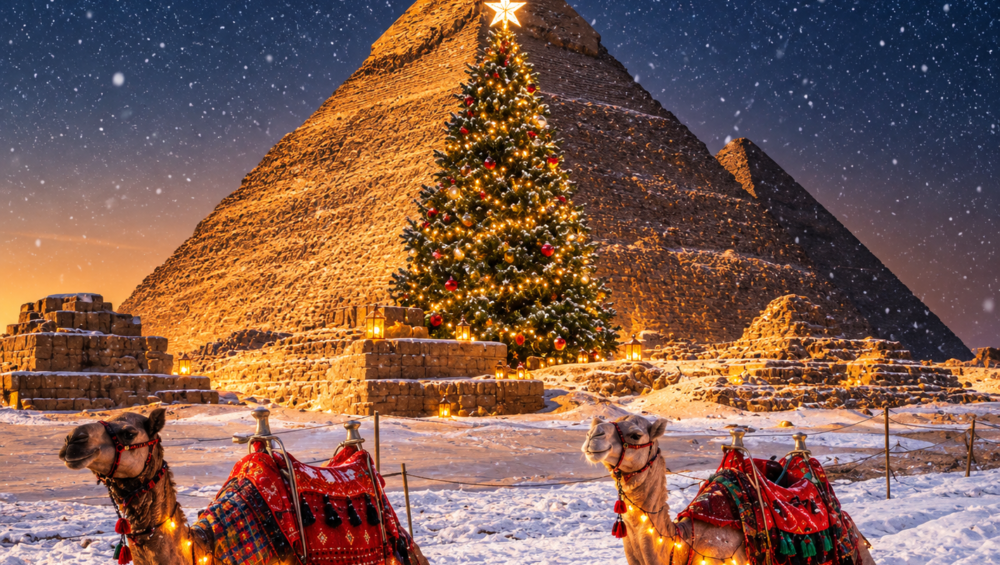
Unlike many European destinations, Cairo does not usually have a snowy Christmas atmosphere. Instead, visitors can enjoy a mix of ancient history, local traditions, festive hotel celebrations, and cultural experiences.

If you are planning a winter holiday in Egypt, here are some of the best things to do and places to visit during Christmas in Cairo.

Visit the Pyramids of Giza

A visit to the Great Pyramids of Giza is one of the most memorable experiences you can have in Cairo. These ancient monuments have stood for thousands of years and remain one of Egypt’s most famous attractions.

You can explore the Giza Plateau, see the Great Sphinx, and take photographs of the pyramids against the desert landscape. December is generally a comfortable time for outdoor sightseeing, although mornings and evenings can be chilly.

Booking a guided tour is a good way to learn more about the history of the pyramids and make the most of your visit.Christmas in Cairo

Explore the Grand Egyptian Museum

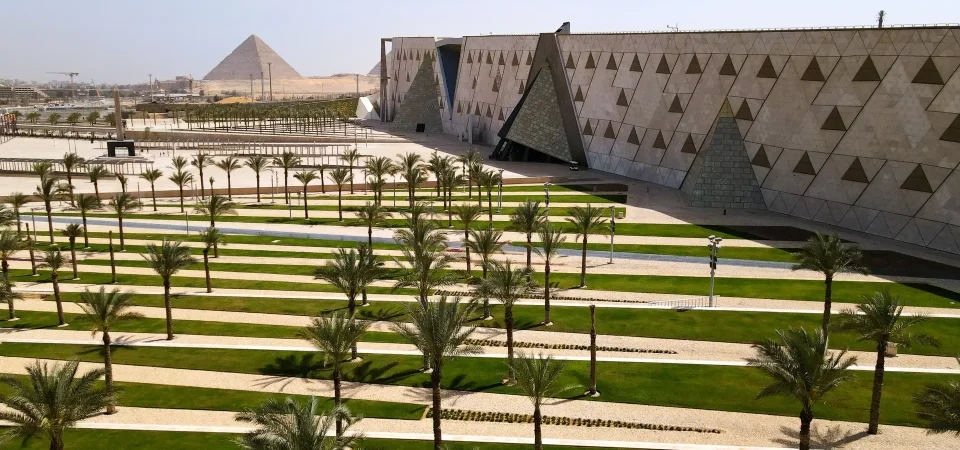
The Grand Egyptian Museum, located near the Giza Pyramids, is an important stop for anyone interested in ancient Egyptian history. Its collections include statues, archaeological objects, and exhibits that help visitors understand the country’s remarkable past.

You can combine a museum visit with a trip to the pyramids to make the most of your day in Giza. Before visiting, check the latest opening hours and ticket arrangements, particularly during the busy winter holiday season.Christmas in Cairo

Discover Coptic Cairo at Christmas

Christmas in Cairo Coptic Cairo is one of the city’s most interesting historic areas. It offers visitors the chance to explore Egypt’s Christian heritage through ancient churches, religious landmarks, and the Coptic Museum.

The Hanging Church is among the best-known attractions in the area. You can also visit the Church of Saints Sergius and Bacchus and learn about the history of Egypt’s Coptic Christian community.

It is worth remembering that Christmas is celebrated on different dates in Egypt. Many Western Christian communities celebrate on December 25, while the Coptic Orthodox Church celebrates Christmas on January 7.

If you are visiting during the Christmas period, check church visiting hours and any restrictions around religious services.Christmas in Cairo

Walk Through Khan el-Khalili Bazaar

Khan el-Khalili is one of the best places to experience the traditional atmosphere of Cairo. Its narrow streets are filled with shops selling souvenirs, jewelry, spices, lanterns, textiles, and handmade gifts.

It is a great place to find something special to take home or simply enjoy walking through one of the city’s most famous markets.

After visiting the bazaar, continue to Al-Muizz Street, where historic mosques, traditional buildings, and beautiful architectural details offer a glimpse into Cairo’s Islamic heritage.

Enjoy a Nile Dinner Cruise

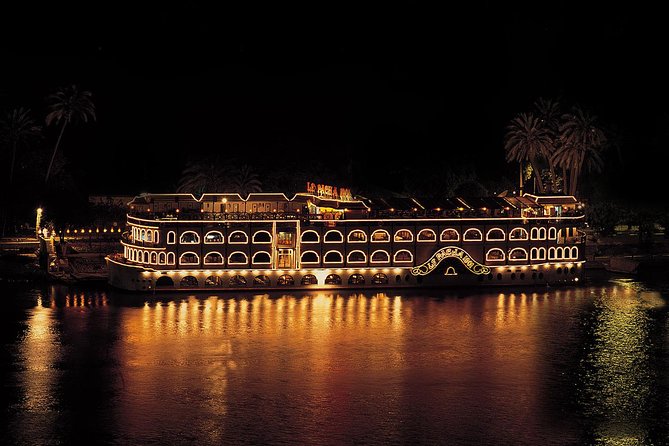
AChristmas in Cairo dinner cruise on the Nile is a relaxing way to spend an evening in Cairo. You can enjoy views of the city from the water, have dinner, and take a break from a busy sightseeing schedule.

Some cruises offer live music or traditional entertainment, while others focus on dining and river views. Special Christmas programs may be available at selected venues, but it is best to confirm the details before booking.

If a boat trip is not your preference, a restaurant overlooking the Nile can also be a lovely choice for a festive evening.

Experience Christmas Decorations and Festive Dining

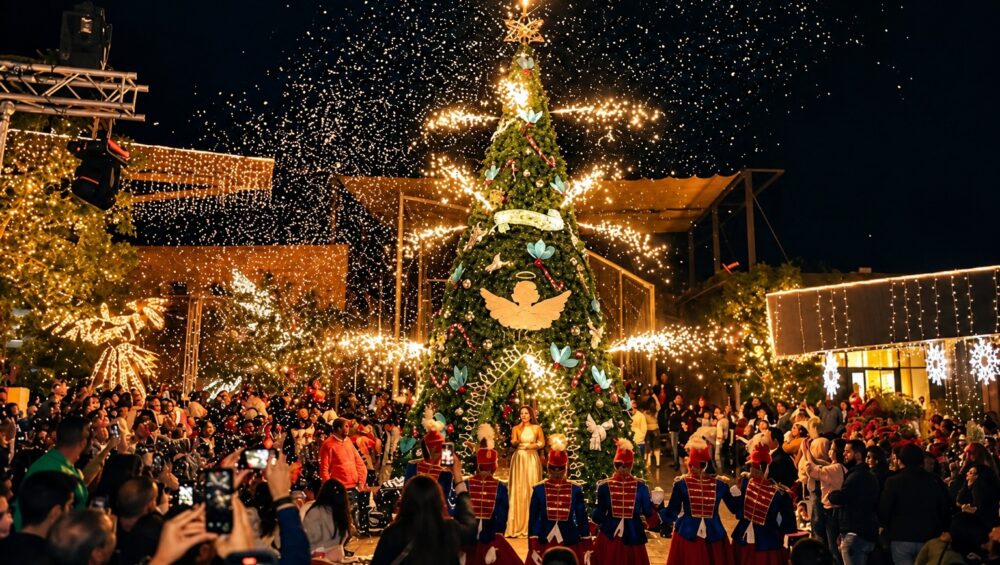
Although Cairo’s Christmas atmosphere differs from that of European cities, visitors can find seasonal decorations and holiday events at selected hotels, restaurants, shopping malls, and international venues.

Some hotels arrange special dinners and festive celebrations around December 24 and 25. These can be a good option for couples and families who want to enjoy a Christmas meal while staying in Egypt.

Events and decorations vary by venue and year, so check current announcements and make reservations in advance if you have a particular place in mind.

Try Traditional Egyptian Food

Christmas in Cairo Food is an important part of discovering Cairo. During your Christmas holiday, take the opportunity to try local dishes as well as international cuisine.

Koshari is one of Egypt’s best-known meals, made with rice, pasta, lentils, and tomato sauce. You can also try grilled meats, traditional Egyptian bread, local desserts, and freshly prepared street food from reputable vendors.

Cairo has everything from casual local restaurants to elegant dining venues, making it easy to find something that suits your taste and budget.

Take a Day Trip to Saqqara and Memphis

Christmas in Cairo If you have an extra day in Cairo, consider visiting Saqqara and Memphis. Saqqara is home to the Step Pyramid of Djoser, an important monument in the history of ancient Egyptian architecture.

Memphis was once the capital of ancient Egypt and is known for its archaeological remains and historical significance.

Both destinations can be included in a day trip from Cairo. Arranging transportation and a knowledgeable guide in advance can make the journey more convenient.

What Is the Weather Like in Cairo at Christmas?

Christmas in Cairo December is generally a pleasant month for sightseeing in Cairo. Days are often mild, while evenings and early mornings can be cold. Rain is possible, although extended periods of heavy rain are not typical.

Pack comfortable walking shoes, a light jacket, and warmer clothing for the evening. If you plan to visit outdoor archaeological sites early in the morning or enjoy a late Nile cruise, an extra layer will come in handy.

Christmas and the wider winter season can be busy for tourism in Egypt, so it is worth arranging your accommodation and tours ahead of time.

How Many Days Do You Need in Cairo at Christmas?

Christmas in Cairo Three to four days is a useful amount of time for exploring Cairo during the Christmas season.

On your first day, visit the Pyramids of Giza and the Grand Egyptian Museum. Spend another day exploring Coptic Cairo and its historic churches, followed by Khan el-Khalili and Al-Muizz Street.

You can use your remaining time for a Nile dinner cruise, a day trip to Saqqara and Memphis, or a relaxed afternoon exploring the city’s restaurants and shops.

If you have a longer holiday, consider adding Luxor and Aswan to your itinerary for more ancient temples and archaeological sites, or travel to the Red Sea for a few days by the beach.

Plan Your Christmas Holiday in Cairo

Christmas is an excellent time to discover Cairo’s famous landmarks, explore its historic neighborhoods, and experience Egyptian culture in comfortable winter weather.

Whether you want to visit the pyramids, discover Coptic Cairo, shop at Khan el-Khalili, or enjoy an evening on the Nile, planning your itinerary in advance can help you make the most of your stay.

With so many historical sites, cultural experiences, and local flavors to discover, Cairo offers plenty of ways to enjoy a memorable Christmas holiday in Egypt.Christmas in Cairo

Nile Cruise & Cairo

Romantic Christmas in Egypt: Nile Cruise & Cairo

Christmas is a wonderful time to plan something different with the person you love. Instead of spending the holidays in a cold city, imagine walking around the Pyramids of Giza, enjoying a quiet dinner overlooking the Nile, and waking up to beautiful views of the river as you travel through Egypt.

A romantic Christmas in Egypt offers a mix of history, relaxation, and memorable experiences. With a few days in Cairo followed by a Nile cruise between Luxor and Aswan, couples can discover some of the country’s most famous places while enjoying time together.

Why Spend Christmas in Egypt as a Couple?

Egypt offers a different kind of Christmas holiday. You can explore ancient monuments during the day, enjoy dinner in the evening, and spend time discovering a culture that has fascinated travelers for centuries.

December is also a popular time for sightseeing because temperatures are generally more comfortable than during the summer months. Cairo is ideal for exploring the city’s historic neighborhoods and famous landmarks, while Luxor and Aswan offer beautiful river views and remarkable ancient temples.

For couples who want more than a typical winter getaway, Egypt combines cultural discovery with opportunities to slow down and enjoy the journey together.

Discover Cairo During the Christmas Holidays

Start your holiday in Cairo, a city where ancient history and modern life come together. Spend a morning exploring the Pyramids of Giza and the Great Sphinx, then visit the Grand Egyptian Museum to discover more about the country’s extraordinary past.

For a different atmosphere, take a walk through Old Cairo, explore its historic streets, or visit Khan El Khalili bazaar, where traditional shops, colorful lanterns, and local cafés create a memorable experience.

Couples can also enjoy an evening overlooking the Nile, whether at a riverside restaurant or during a relaxing dinner cruise. Watching the city lights reflect on the water is a lovely way to end a day of sightseeing.

Cairo is a great starting point for your Christmas holiday, offering a combination of history, local culture, shopping, and romantic evenings.

Enjoy a Romantic Nile Cruise

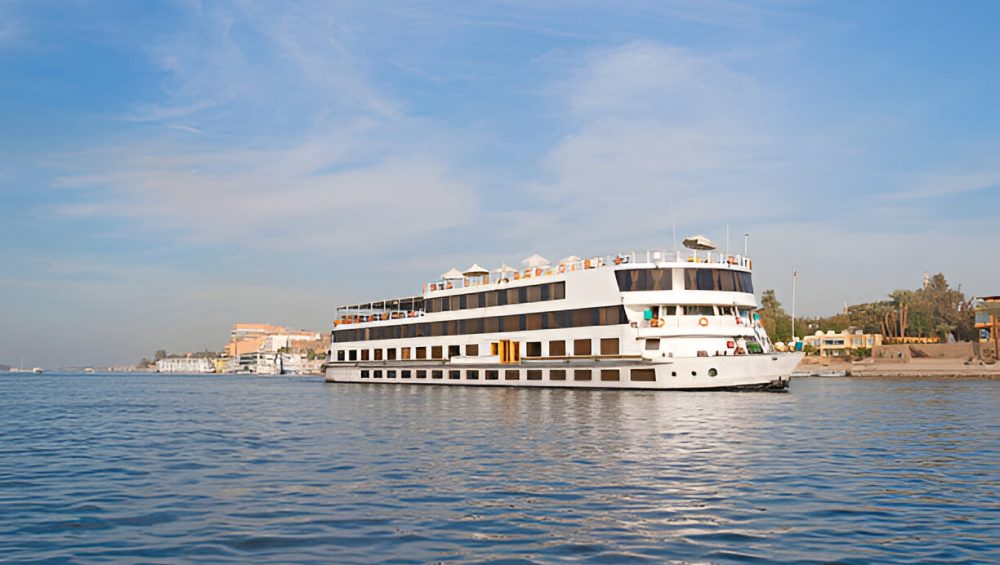
A Nile cruise is one of the most memorable ways to explore southern Egypt. Instead of traveling between every destination by road, you can enjoy the scenery from the comfort of your cruise ship while visiting historic sites along the river.

Many cruises operate between Luxor and Aswan, with itineraries that include some of Egypt’s most important ancient attractions. Depending on your chosen cruise and schedule, you may visit Karnak Temple, Luxor Temple, the Valley of the Kings, Edfu Temple, and Philae Temple.

Between excursions, enjoy the views from the deck, relax with a drink, or watch the riverbanks pass by as local villages, palm trees, and desert landscapes appear along the way.

For couples, the experience is about more than sightseeing. It is also an opportunity to spend quality time together while discovering a part of Egypt that feels very different from the busy streets of Cairo.

If you are planning to travel around Christmas or New Year, booking your cruise early is a good idea, as this is a busy period for Egyptian tourism.Romantic Christmas in Egypt

Explore Luxor and Aswan Together

Luxor and Aswan each offer a different atmosphere, making them wonderful additions to a romantic Christmas itinerary.

In Luxor, explore the impressive columns of Karnak Temple, visit Luxor Temple, and discover the ancient royal tombs in the Valley of the Kings. The city’s historical sites are especially enjoyable to explore during the cooler winter season.

Aswan offers a more relaxed pace. Visit Philae Temple, admire the scenery around the Nile, and discover Nubian culture through local villages, traditional crafts, and regional food.

Couples who enjoy photography will find plenty of beautiful settings in both cities, from ancient stone monuments to peaceful river views. Taking time to explore without rushing from one attraction to another can make the experience even more special.Romantic Christmas in Egypt

What Is Christmas Like in Egypt?

Romantic Christmas in Egypt can feel different from the celebrations in many European countries. On December 25, international hotels and restaurants may offer festive meals and seasonal decorations, although celebrations vary by venue.

Egypt also has a large Coptic Christian community, which celebrates Coptic Christmas on January 7. Visitors traveling around this date may have an opportunity to learn more about Egypt’s Christian heritage and visit historic churches, particularly in Cairo.

If a traditional Christmas dinner is an important part of your holiday, check with your hotel or cruise operator in advance to confirm its festive arrangements.

The best part is that you can combine the holiday atmosphere with experiences that are uniquely Egyptian, from exploring ancient temples to enjoying the scenery along the Nile.Romantic Christmas in Egypt

What Is the Weather Like in Egypt in December?

December is generally a comfortable month for exploring Cairo, Luxor, and Aswan. Daytime temperatures are usually mild to warm, making outdoor sightseeing more pleasant than during the hottest summer months.

Evenings can be chilly, particularly in Cairo and on the Nile cruise deck, so packing a jacket, comfortable walking shoes, and clothes you can layer is recommended.Romantic Christmas in Egypt

The weather can vary between destinations, so it is worth checking the forecast before departure and planning your activities accordingly.Romantic Christmas in Egypt

How to Plan a Romantic Christmas Trip to Egypt

Romantic Christmas in Egypt A well-planned itinerary gives you enough time to enjoy the main attractions without making the holiday feel rushed.

For a first visit, consider spending two or three nights in Cairo before traveling to Luxor or Aswan for a Nile cruise. A cruise of three to five nights can provide time to explore several historic sites while enjoying the journey along the river.

Your final itinerary will depend on your travel dates, budget, preferred hotel category, and the cruise schedule available. If you have additional time, you could extend your holiday with a relaxing stay on the Red Sea coast.

Because Christmas and New Year are popular travel periods, it is best to arrange accommodation, domestic transfers, guided tours, and cruise reservations well in advance.Romantic Christmas in Egypt

Plan Your Romantic Christmas in Egypt with Zoya Tours Egypt

Romantic Christmas in Egypt should be about enjoying new places and creating memories, not worrying about travel arrangements.

Zoya Tours Egypt can help you plan a personalized Egyptian holiday, combining Cairo sightseeing with a Nile cruise and visits to Luxor and Aswan. From choosing suitable accommodation to arranging guided excursions and transfers, your trip can be organized around your interests and travel schedule.

Whether you are celebrating Christmas as a couple, planning an anniversary getaway, or simply looking for a different kind of winter holiday, Egypt has plenty to offer.

Make this Christmas one to remember with a journey through Egypt’s ancient wonders, beautiful river landscapes, and fascinating culture.

Contact Zoya Tours Egypt to start planning your romantic Christmas escape.Romantic Christmas in Egypt

Romantic Christmas in Egypt

10 Powerful Facts About Amr Ibn Al-As Mosque: The Timeless Heart of Islamic Egypt


Why Amr Ibn Al-As Mosque Still Matters Today

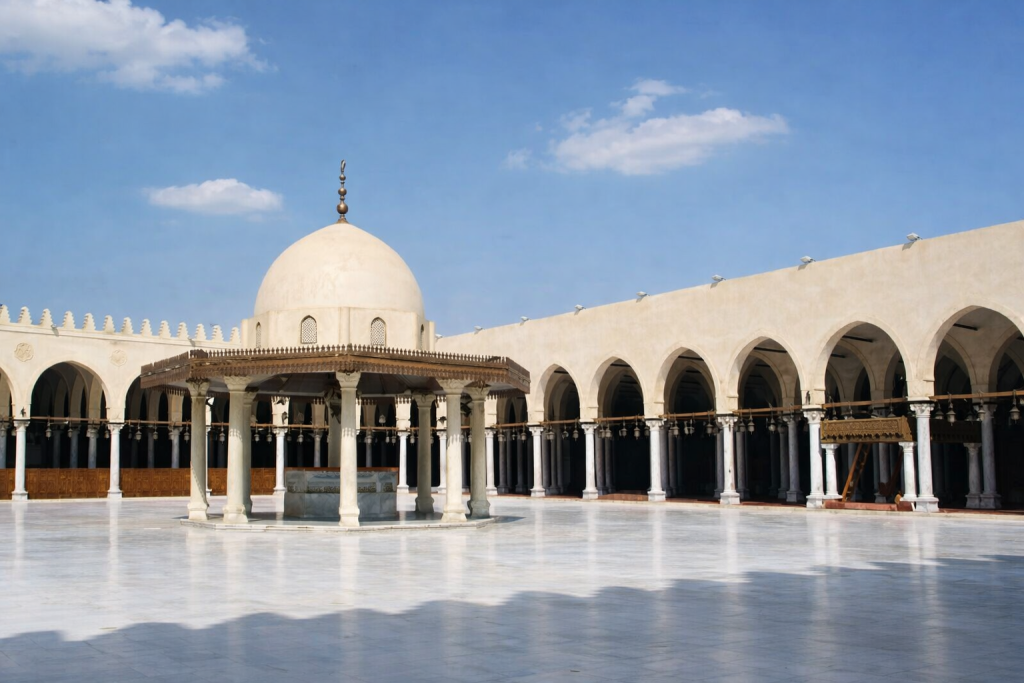
The Amr Ibn Al-As Mosque is not just another historical landmark in Egypt. It is the first mosque ever built in Africa and one of the most significant Islamic monuments in the world.

Located in Old Cairo, this mosque represents the beginning of Islamic civilization in Egypt and stands as a powerful symbol of faith, history, and architectural evolution.

For travelers, historians, and spiritual seekers alike, the Amr Ibn Al-As Mosque offers an experience that blends sacred serenity with centuries of living history. Every column, every arch, and every corner whispers stories from the 7th century to the modern era.

Amr Ibn Al-As Mosque

The Historic Beginning of Amr Ibn Al-As Mosque

The Foundation in 641 AD

The Amr Ibn Al-As Mosque was built in 641 AD by the Muslim commander Amr Ibn Al-As after the Islamic conquest of Egypt. At the time, the area was known as Fustat, the first Islamic capital of Egypt.

The mosque originally started as a very simple structure made of mud bricks and palm trunks. It had no minaret, no mihrab in the modern sense, and no elaborate decorations. It was built purely as a place of prayer and gathering for the Muslim community.

Why It Was Built in Fustat

Fustat was strategically chosen as the new administrative capital instead of Alexandria. The mosque became the center of religious, political, and social life in the new Islamic city. From here, Islamic governance in Egypt began to take shape.


Architectural Evolution Through the Centuries

The current structure of the Amr Ibn Al-As Mosque is very different from its original form. Over the centuries, it underwent numerous expansions and reconstructions.

Umayyad and Abbasid Expansions

During the Umayyad and Abbasid periods, the mosque was expanded significantly. New sections were added, and architectural elements became more refined. Columns were brought from older Roman and Byzantine buildings.

Fatimid and Mamluk Influences

The Fatimid era introduced more decorative elements. Later, during the Mamluk period, the mosque was restored and beautified further. The introduction of minarets and more defined prayer niches added to its grandeur.

Ottoman Renovations

Under Ottoman rule, the mosque saw additional restorations, including structural reinforcements and aesthetic improvements that helped preserve it for future generations.


The Unique Architectural Features of Amr Ibn Al-As Mosque

The Amr Ibn Al-As Mosque is known for its simplicity combined with historical depth.

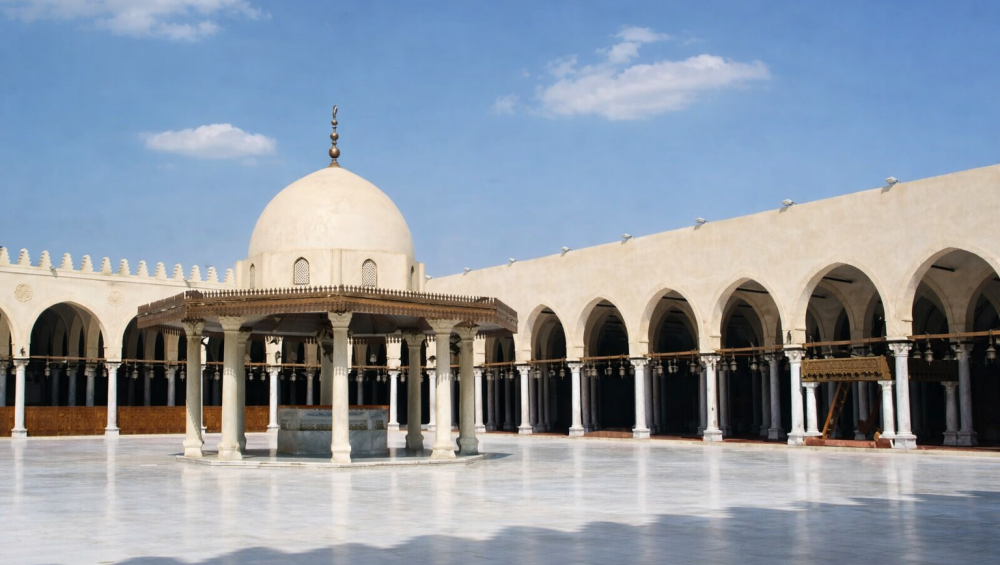
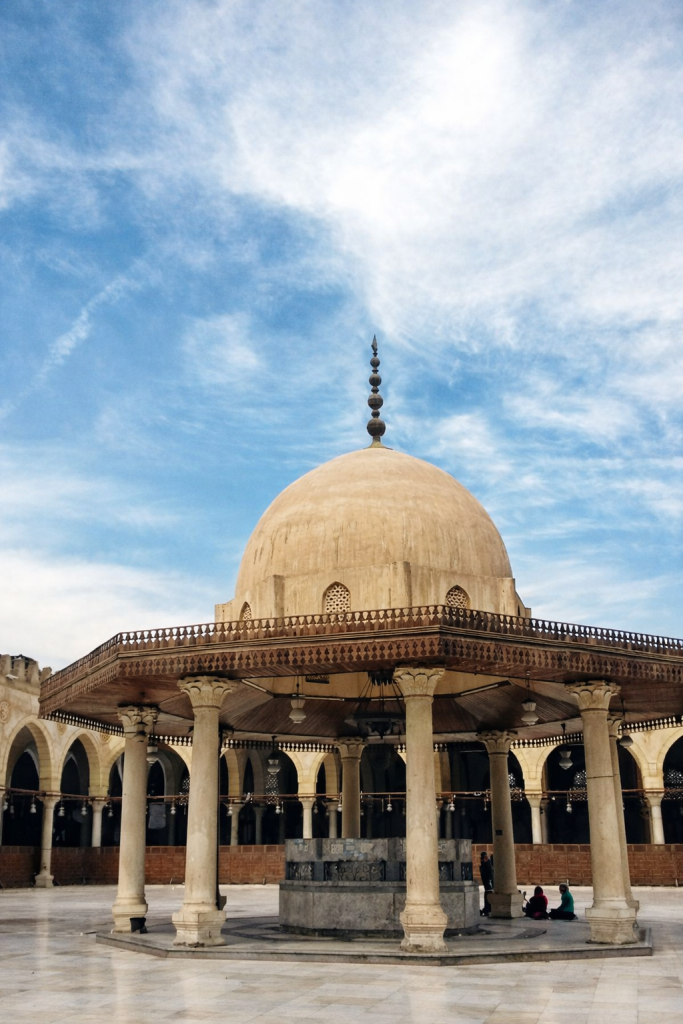
The Open Courtyard (Sahn)

One of the most striking features is the wide open courtyard. This design allows natural light to fill the mosque, creating a peaceful spiritual atmosphere.

The Hypostyle Prayer Hall

The mosque features a hypostyle hall supported by rows of columns. Many of these columns were reused from older buildings, making each one slightly different from the others.

The Mihrab and Minbar

The mihrab indicates the direction of Mecca. Over time, it evolved from a simple niche into a more decorative architectural element. The wooden minbar (pulpit) reflects Islamic craftsmanship traditions.


Religious and Educational Importance

A Center of Islamic Learning

For centuries, the Amr Ibn Al-As Mosque served as a center of education. Scholars taught Quran, Hadith, and Islamic jurisprudence here long before formal institutions were established.

Community and Social Role

Beyond prayers, the mosque functioned as a gathering space for discussions, announcements, and even judicial matters.


The Spiritual Atmosphere Inside the Mosque

Visitors often describe a unique sense of calm inside the Amr Ibn Al-As Mosque. Despite being located in a busy urban area, stepping inside feels like entering a different world.

The red carpets, symmetrical columns, and filtered daylight create a serene environment ideal for reflection and prayer.


Location in Old Cairo and Its Surroundings

The Amr Ibn Al-As Mosque is located in Old Cairo (Masr Al-Qadima), an area rich in religious diversity.

Nearby Attractions

  • The Hanging Church
  • The Coptic Museum
  • Ben Ezra Synagogue

This makes the mosque part of a larger interfaith historical landscape, where Islamic, Christian, and Jewish heritage coexist.


The Mosque Through Political Changes

Throughout Islamic history, Egypt saw different dynasties and rulers. Despite wars, fires, and political shifts, the Amr Ibn Al-As Mosque remained a constant spiritual landmark.

It was rebuilt several times due to damage, but each reconstruction preserved its identity as the first mosque in Africa.


Modern Restoration and Preservation Efforts

In recent decades, the Egyptian government carried out major restoration projects to protect the mosque’s structure and architectural integrity.

These restorations aimed to:

  • Strengthen foundations
  • Preserve original columns
  • Improve lighting and ventilation
  • Maintain historical authenticity

Visiting Amr Ibn Al-As Mosque Today

Best Time to Visit

Morning hours offer a peaceful atmosphere and beautiful natural lighting for photography.

Dress Code

Modest clothing is required. Women should cover their hair, and both men and women should dress respectfully.

Photography Tips

The symmetrical rows of columns and arches create stunning visual perspectives. Wide-angle shots capture the architectural depth beautifully.


Why Amr Ibn Al-As Mosque Is a Must-Visit Landmark

The Amr Ibn Al-As Mosque is not just a religious site; it is a living monument that tells the story of Islamic Egypt from its very beginning.

It represents:

  • The birth of Islamic architecture in Africa
  • The foundation of Fustat
  • A center of scholarship and spirituality
  • A symbol of resilience through centuries

For tourists exploring Cairo, visiting the Amr Ibn Al-As Mosque offers a deeper understanding of Egypt beyond the pyramids and pharaonic temples.


The Enduring Legacy of Amr Ibn Al-As Mosque

More than 1,300 years after its foundation, the Amr Ibn Al-As Mosque continues to stand proudly in Old Cairo. It remains a place of prayer, learning, and historical reflection.

Its walls witnessed the transformation of Egypt from a newly conquered land into one of the most important centers of Islamic civilization.

From humble beginnings to architectural magnificence, the mosque’s journey mirrors the journey of Islamic Egypt itself.

Whether you are a traveler, a history enthusiast, or someone seeking spiritual tranquility, the Amr Ibn Al-As Mosque offers an unforgettable experience that connects the past with the present.


7 Hidden Ancient Churches in Old Cairo You Can’t Afford to Miss


Introduction

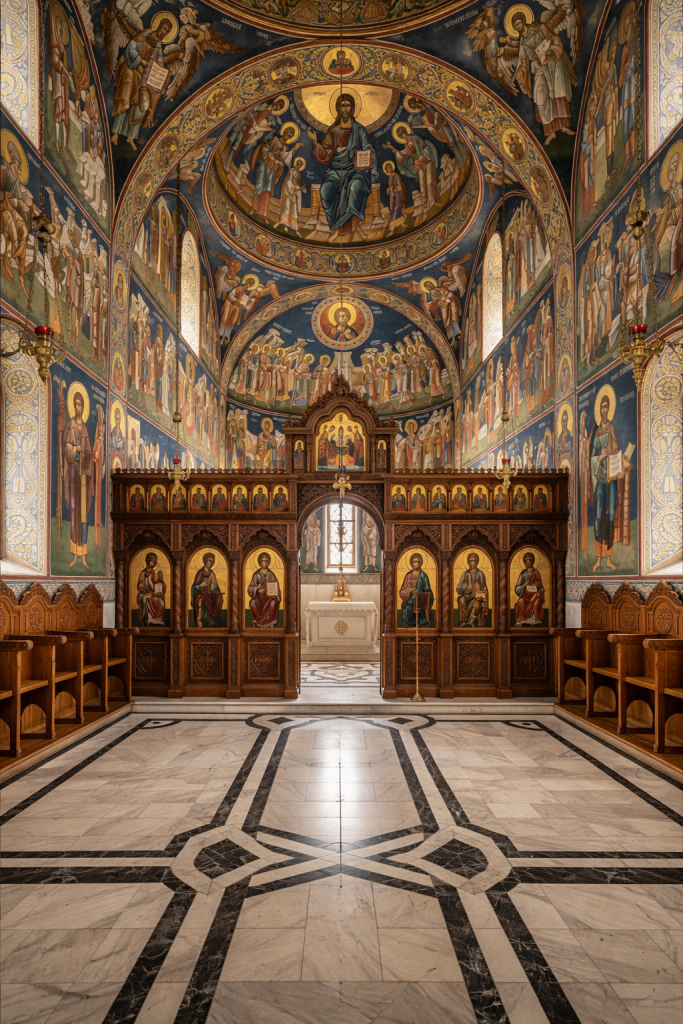
Church Old Cairo — often called Coptic Cairo — is one of the most iconic historical districts in Egypt. It’s a place where ancient Christian faith and culture meet history and art. Here you can visit some of the country’s oldest , many of which date back over a thousand years and have deep spiritual significance, including sites linked to the Holy Family’s journey through Egypt. Walking through this area feels like stepping back in time. (Wikipedia)


1. The Hanging Church ( the Virgin Mary)

One of the most famous and oldest Coptic churches in Egypt, the Hangingis built above the gates of the old Roman Babylon Fortress in Old Cairo. Its name comes from the way its nave “hangs” over the passageway below. It has been a central place of worship and religious authority for centuries, with beautiful iconography and architecture. (Wikipedia)

Church

2. Saints Sergius and Bacchus (Abu Serga)

The Abu Serga Church is one of the oldest Christian churches in Cairo, traditionally built on the spot where the Holy Family (Mary, Joseph and Jesus) rested during their flight into Egypt. Beneath the church is a crypt believed to be the resting place they used in ancient times. (Wikipedia)


3. the Holy Virgin (Babylon El‑Darag)

This historic in Babylon El‑Darag dates back many centuries and is known not only for its age but also for traditional associations with the Holy Family’s stay in Egypt. Several Coptic patriarchs were buried here, and it remains a spiritually important site. (Wikipedia)

the Holy Virgin

4. Saint Barbara

Part of the Old Cairo churches cluster, Saint Barbara is another iconic historic site with rich architectural and religious heritage. It’s known for its role in Coptic Christian tradition and its beautiful medieval design. (دوت مصر)


5. Church of Abu Seifin (Saint Mercurius)

Also known as the Saint Mercurius, this church is part of the Old Cairo area’s ancient Christian monuments. It’s named for Saint Mercurius and showcases traditional Coptic art and architecture. (دوت مصر)


6. Greek Orthodox Church of Saint George

Located within the same historic quarter, this round church dedicated to Saint George reflects the diversity of Christian heritage in Old Cairo. Its round shape and long history make it a unique religious landmark in the area. (home)


7. Church of Saint Menas

One of the earliest Christian around Old Cairo, the Church of Saint Menas (near Fum al‑Khalig) dates back to around the 6th century and is an important piece of early Coptic architectural history. (Wikipedia)


Conclusion

Visiting the seven ancient of Old Cairo is more than a tour — it’s a journey through centuries of Egypt’s Christian heritage, faith, and historical evolution. Each site carries its unique story, architectural style, and cultural meaning. Together, they offer a rich tapestry of spirituality and history that has drawn pilgrims and travelers from around the world for generations. (دوت مصر)

Old Cairo, also known as Coptic Cairo, is a historic district that holds the heart of Egypt’s Christian legacy.

Unlike the modern of Egypt, these ancient sites have witnessed centuries of history, including Roman, Byzantine, and Islamic eras.

Visitors from around the world are drawn to this area, not only for its religious significance but also for its unique architecture, frescoes, and ancient relics.

Exploring these churches provides a window into Egypt’s spiritual and cultural development over nearly two millennia.

Visiting the seven ancient churches of Old Cairo is an unforgettable experience that combines history, architecture, and spirituality.

These are more than just religious sites — they are living museums of Egypt’s Christian heritage, telling stories of faith, resilience, and culture.

For tourists, pilgrims, and history enthusiasts alike, a visit provides not only spiritual enrichment but also a deeper understanding of Egypt as a historical crossroads of religion and civilization.


12 Fascinating Secrets of the Temple of Horus in Edfu You Absolutely Must Discover

Temple of Horus in Edfu – Egypt’s Best-Preserved Ancient Wonder

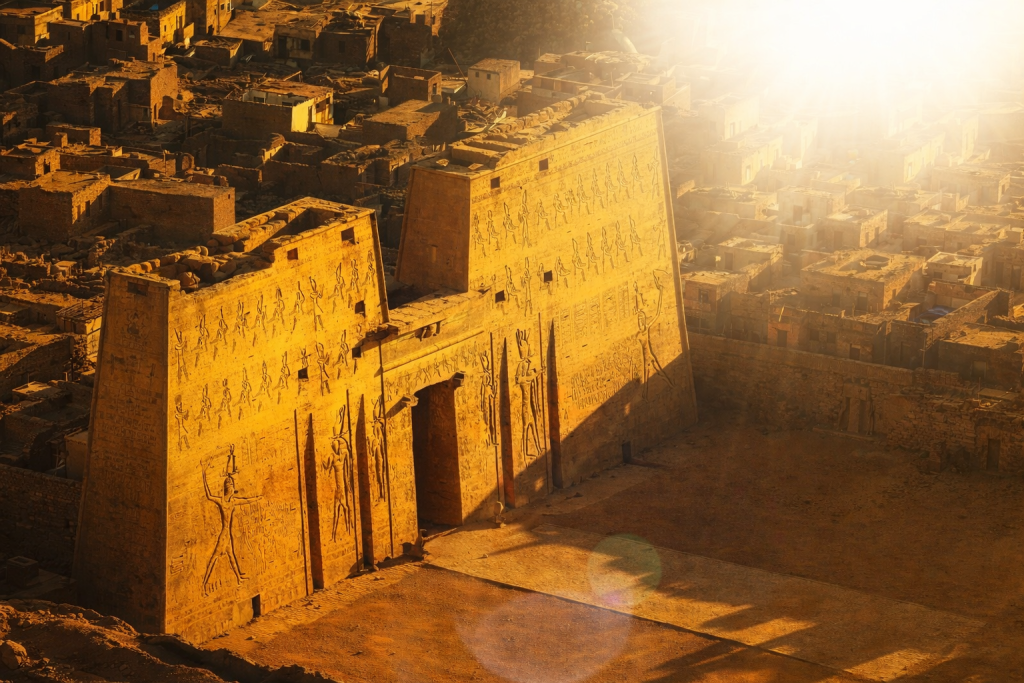
The Temple of Horus in Edfu stands as one of the most impressive and remarkably preserved monuments in all of Egypt. Located between Luxor and Aswan, this majestic temple offers visitors a rare opportunity to step directly into the religious and political world of ancient Egypt. Unlike many temples that were heavily damaged over centuries, the Temple of Horus in Edfu survived beneath layers of sand, which helped protect its walls, inscriptions, and architectural details.

Built during the Ptolemaic period, the temple was dedicated to Horus, the falcon-headed god of protection, kingship, and divine power. Today, it remains one of the most visited archaeological sites in Upper Egypt.


1. The Strategic Location

The Temple of Horus in Edfu is located on the west bank of the Nile in the city of Edfu. Its strategic placement between Luxor and Aswan made it an important religious center in ancient times.

Edfu was considered a sacred city where Horus defeated Seth, the god of chaos. This mythological importance gave the Temple of Horus in Edfu a central role in Egyptian religious traditions.

Temple of Horus in Edfu

2. When Was the Temple of Horus in Edfu Built?

Construction began in 237 BC during the reign of Ptolemy III Euergetes I. The temple was completed in 57 BC under Ptolemy XII.

It took approximately 180 years to complete. Despite being built during the Greek Ptolemaic era, the architecture strictly followed traditional ancient Egyptian design principles.


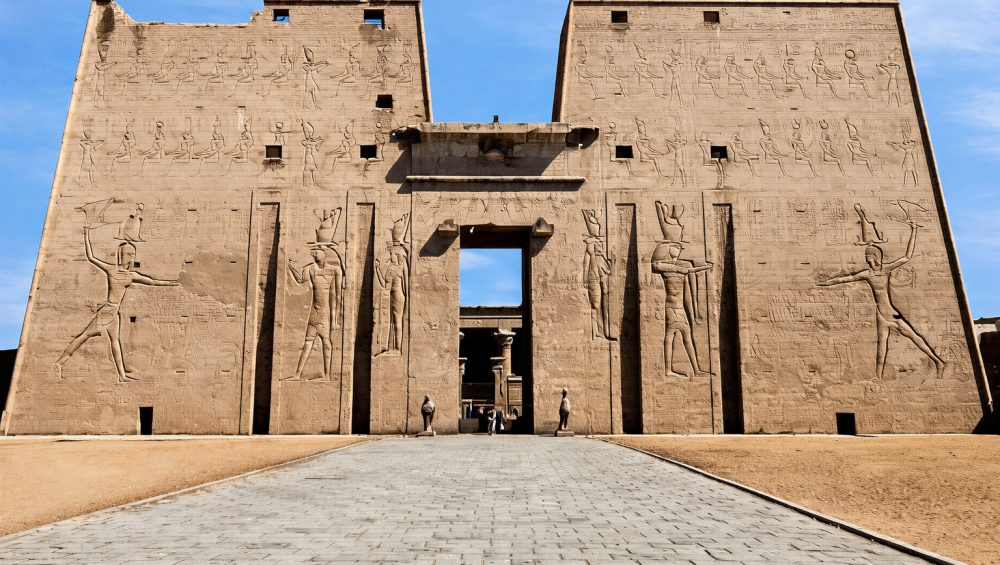
3. The Massive Pylons – A Grand Entrance

The Symbolism Behind the Pylons

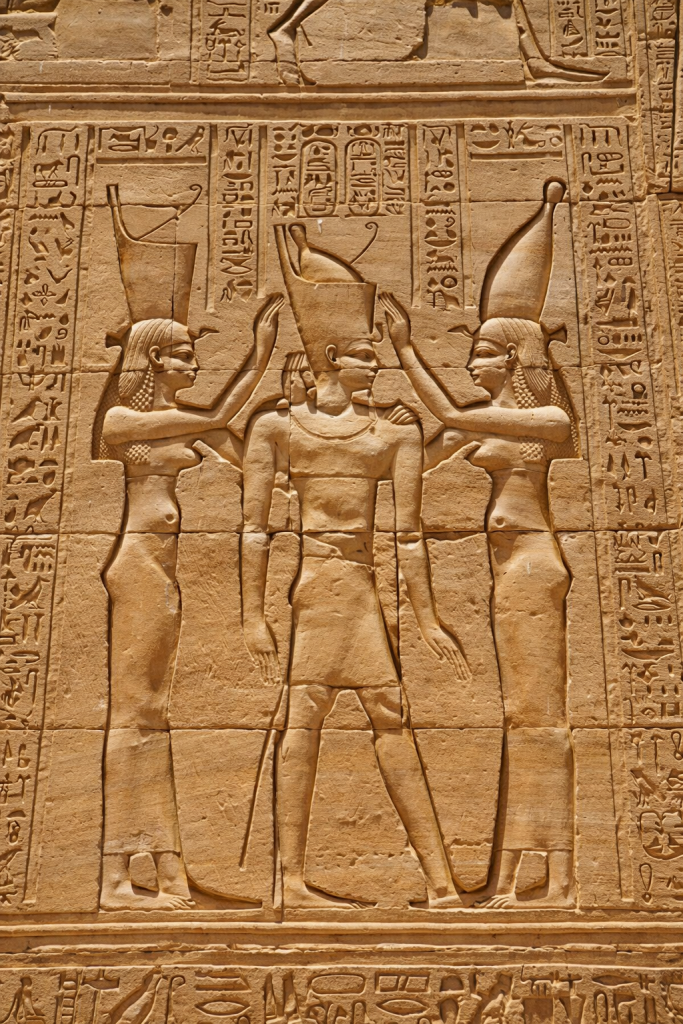
The towering pylons of the Temple of Horus in Edfu rise about 36 meters high. These massive entrance towers are decorated with scenes of the king defeating enemies before Horus.

The imagery symbolizes divine protection and royal authority. Visitors walking through these pylons experience the same powerful visual message that ancient Egyptians once did.


4. The Courtyard of Offerings

Beyond the entrance lies a large open courtyard surrounded by columns. This area was used for public religious ceremonies.

The Temple of Horus in Edfu was not only a place for priests but also for citizens who gathered here during major festivals.


5. The Hypostyle Hall – A Forest of Columns

Astronomical Ceilings and Sacred Inscriptions

The hypostyle hall contains towering columns decorated with floral capitals. The ceiling once displayed astronomical scenes representing the heavens.

The walls are filled with detailed inscriptions that describe rituals, prayers, and sacred ceremonies performed inside the Temple of Horus in Edfu.


6. The Sanctuary – The Heart of the Temple

At the center lies the sanctuary, the most sacred part of the Temple of Horus in Edfu.

Inside stands a granite shrine that once held the golden statue of Horus. Only high priests and the pharaoh were allowed to enter this chamber.


7. The Myth of Horus and Seth

One of the most fascinating aspects of the Temple of Horus in Edfu is the detailed inscriptions describing the epic battle between Horus and Seth.

These texts are among the most complete mythological records found in any Egyptian temple. They explain how Horus avenged his father Osiris and restored order to Egypt.


8. Annual Festivals and Religious Ceremonies

The Temple of Horus in Edfu played a key role in the “Beautiful Meeting” festival.

During this annual celebration, the statue of Hathor traveled from Dendera to meet Horus in Edfu. This symbolic reunion represented divine harmony and fertility.


9. Architectural Perfection and Symmetry

Traditional Egyptian Design

The Temple of Horus in Edfu follows classic Egyptian temple layout:

  • Pylon entrance
  • Open courtyard
  • Hypostyle hall
  • Sanctuary

This strict alignment reflects cosmic order and religious precision.


10. Hidden Chambers and Passageways

The temple contains numerous side chambers used for storing ritual objects, incense, and sacred texts.

Some rooms were dedicated to specific ceremonies and purification rituals carried out by priests.


11. Why the Temple of Horus in Edfu Is So Well Preserved

For centuries, the Temple of Horus in Edfu was buried under sand and Nile silt. Local houses were even built on top of it.

When French Egyptologist Auguste Mariette began excavations in the 19th century, the temple was revealed almost intact.

This natural protection explains why it remains Egypt’s best-preserved ancient temple.


12. Visiting the Temple of Horus in Edfu Today

Today, the Temple of Horus in Edfu is a highlight of Nile cruises between Luxor and Aswan.

Visitors can:

  • Walk through the massive pylons
  • Explore detailed carvings
  • Photograph falcon statues of Horus
  • Discover ancient myths carved in stone

It provides one of the most immersive ancient Egyptian experiences available.


The Cultural Importance of the Temple of Horus in Edfu

The Temple of Horus in Edfu is more than just stone walls and carvings. It represents political propaganda, religious devotion, architectural genius, and mythological storytelling.

Its inscriptions serve as historical documents preserving rituals, festivals, and theological beliefs that shaped ancient Egyptian civilization.


Architectural Highlights of the Temple of Horus in Edfu

  • 36-meter-high pylons
  • Massive granite naos
  • Falcon statues at the entrance
  • Intricate hieroglyphic inscriptions
  • Nearly complete temple structure

Each section reflects careful planning and symbolic meaning.


Why the Temple of Horus in Edfu Is a Must-Visit in Upper Egypt

If you are planning a trip to Upper Egypt, the Temple of Horus in Edfu should be at the top of your list.

Unlike many ruins, this temple allows visitors to truly understand how an ancient Egyptian temple functioned. Its preservation, scale, and historical importance make it one of the most extraordinary monuments in Egypt.


Conclusion: The Timeless Power of the Temple of Horus in Edfu

stands as a breathtaking reminder of Egypt’s spiritual and architectural brilliance. From its colossal pylons to its sacred sanctuary, every corner tells a story of power, faith, and mythology.

More than 2,000 years after its construction, the Temple of Horus in Edfu continues to captivate historians, travelers, and culture lovers from around the world.

It is not just a monument — it is a living legacy carved in stone.

temple

10 Astonishing Secrets of Dendera Temple: Explore Ancient Egypt’s Mysteries


Dendera Temple: An Ancient Egyptian Marvel That Captivates All

Nestled in the heart of Egypt, near the timeless Nile River, Dendera Temple stands as one of the most well-preserved temples in the world. This is not just an archaeological site—it is a window into the beliefs, astronomy, art, and architecture of Ancient Egypt.


1. Introduction to Dendera Temple

Also known as the Temple of Hathor, Dendera Temple is one of the most remarkable examples of Ptolemaic and Roman-era Egyptian architecture. Built to honor the goddess Hathor, this temple has preserved stunning wall carvings, astronomical ceilings, and sacred rituals that date back over 2,000 years.

The temple is located in the town of Dendera, about 60 km north of Qena in Upper Egypt, and it was a major religious center for pilgrims across the Nile Valley.

Dendera

2. Location and Historical Significance

Dendera Temple sits on the western bank of the Nile, surrounded by fertile lands. Its strategic location made it a spiritual hub for worshipers. The temple was designed to align with cosmic and astronomical patterns, reflecting Ancient Egyptians’ belief in the connection between gods and the sky.


3. Hathor: The Goddess of Joy and Music

3.1 The Divine Role of Hathor

Hathor, the cow-headed goddess, symbolizes love, music, dance, fertility, and motherhood. She was revered as a protector of kings and a patron of joy and celebration. Representations of Hathor show her with cow ears or horns, often carrying a solar disk between the horns.

3.2 Hathor in Dendera Temple

Dendera Temple was dedicated to Hathor, and many of the temple’s walls depict her interacting with pharaohs and performing miracles, including giving life to the deceased in the afterlife.


4. Key Sections of Dendera Temple

The temple is expansive, featuring several major areas:

4.1 The Grand Entrance

A monumental pylon decorated with vibrant hieroglyphics and reliefs, marking the transition from the mundane world into the divine realm.

4.2 The Hypostyle Hall

A massive hall filled with 24 towering columns, each carved with intricate scenes of gods, rituals, and sacred ceremonies.

4.3 The Sanctuary (Holy of Holies)

This was the most sacred area where the statue of Hathor was kept. Only priests were allowed inside to perform daily rituals and ceremonies.


5. Astronomical Ceilings and Egyptian Cosmology

One of Dendera Temple’s most unique features is its celestial ceiling, which depicts:

  • Planets such as Mercury, Venus, Mars
  • Zodiac signs and constellations
  • Cosmic diagrams tied to Egyptian religious festivals

These artworks demonstrate the advanced astronomical knowledge of the Ancient Egyptians and their integration of astronomy with religious life.


6. Famous Reliefs and Symbols

The temple walls are covered with symbolic reliefs and inscriptions, illustrating myths, celebrations, and daily life in Ancient Egypt.

6.1 Musical Celebrations

Many carvings depict musicians, dancers, and instruments used in religious ceremonies, highlighting the temple’s role as a center for joy and cultural celebration.

6.2 Creation Myths

Scenes representing the creation of the world, divine battles, and cosmic order are etched in vivid detail, offering insight into the Egyptian worldview.


7. Architecture and Design of Dendera Temple

Dendera Temple is a masterpiece of Ptolemaic architecture, featuring:

  • Massive stone columns adorned with floral capitals
  • Brightly painted walls with intricate hieroglyphics
  • Careful alignment with the rising sun during solstices

Every detail, from the angles of the columns to the positioning of statues, holds symbolic meaning.

Dendera Temple

8. Archaeological Discoveries

8.1 The Dendera Zodiac

The famous Dendera Zodiac, a circular bas-relief representing constellations, was discovered on the ceiling of one of the temple’s chambers. It is a key artifact in understanding Egyptian astronomy.

8.2 Stone Statues and Relics

Archaeologists uncovered several statues and small stone carvings showcasing the exceptional skill of Egyptian sculptors and their dedication to religious art.


9. Nearby Temples and Tourism Importance

Dendera is part of a rich network of Egyptian temples:

  • Abydos Temple
  • Luxor Temples
  • Saqqara monuments

Visiting these sites offers tourists a deep dive into the culture, religion, and history of Ancient Egypt.


10. Visiting Dendera Temple: Practical Guide

10.1 Best Time to Visit

The ideal months are:

  • January to March
  • September to November

These months offer moderate temperatures and pleasant sightseeing conditions.

10.2 Tips for Tourists

  • Wear comfortable shoes
  • Carry water and sun protection
  • Hire a professional guide for in-depth historical insights

11. 10 Astonishing Facts About Dendera Temple

  1. Dendera Temple is one of the best-preserved temples in Egypt.
  2. Its ceilings contain rare astronomical depictions.
  3. Dedicated to Hathor, goddess of love and music.
  4. Constructed over multiple Ptolemaic and Roman periods.
  5. Hypostyle hall features 24 majestic columns.
  6. Served as a center for annual religious festivals.
  7. Influenced later temples with its astronomical designs.
  8. Contains secret chambers yet to be fully explored.
  9. Symbols and reliefs are studied in universities worldwide.
  10. Wall colors are remarkably intact even after 2,000 years.

12. Why Dendera Temple Remains a Symbol of Ancient Egyptian Civilization

The significance of Dendera Temple goes beyond its age. It represents a cultural, artistic, and astronomical legacy, showcasing the genius of a civilization that connected the heavens with earthly life.


Conclusion: A Timeless Message from the Past

Dendera Temple is not just stone and paint—it is a bridge between humanity and the divine, a message across millennia about the brilliance and spirituality of Ancient Egypt. Each carving, column, and ceiling tells a story that continues to inspire awe today.