
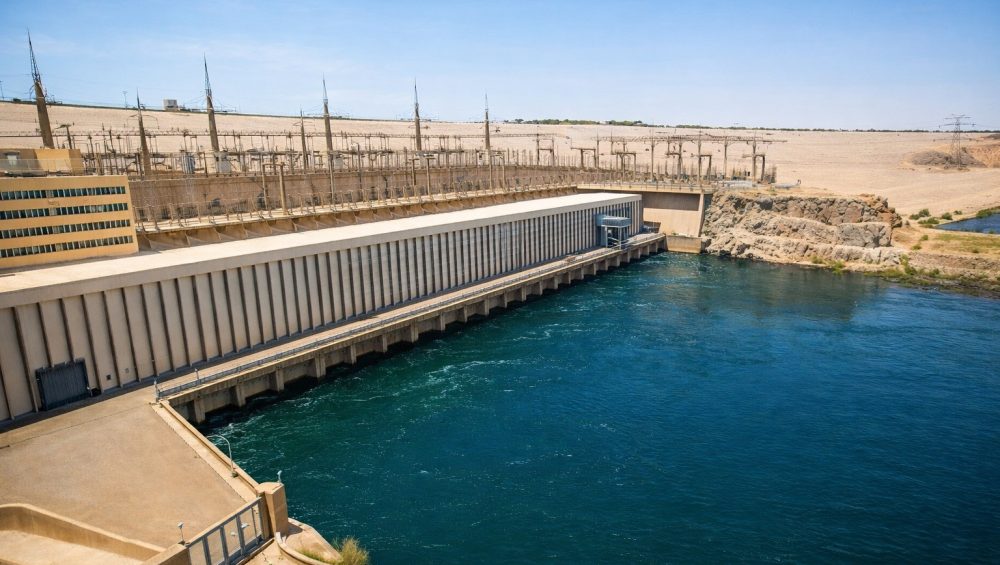
The Aswan High Dam: Egypt’s Engineering Marvel
The Aswan High Dam, located in southern Egypt near the city of Aswan, is one of the most significant engineering achievements of the 20th century. Completed in 1970, it transformed the Nile River’s flow, reshaped Egypt’s agriculture, and provided hydroelectric power that fueled modernization. This article explores the history, design, impact, and tourist significance of this iconic structure.
History and Construction of the Aswan High Dam
Why the Dam Was Built
Before the construction of the Aswan High Dam, Egypt faced regular flooding, droughts, and limitations in irrigation. The dam was designed to control the Nile’s annual floods, store water for dry periods, and generate electricity for Egypt’s growing population and industry.
The Construction Timeline
Construction of the Aswan High Dam began in 1960 and finished in 1970. The project was an ambitious international effort, mainly supported by the Soviet Union. Engineers and workers faced challenges such as relocating Nubian communities, preserving archaeological sites, and dealing with the immense scale of the Nile’s flow.
Engineering Marvels of the Aswan High Dam
Design and Dimensions
The Aswan High Dam is 3,830 meters long, 980 meters wide at the base, and 111 meters high. It can hold up to 132 billion cubic meters of water in its reservoir, Lake Nasser. This makes it one of the largest dams in the world. Its construction includes concrete and rock-fill structures designed to withstand immense pressure.
Hydroelectric Power Generation
The dam’s power plant generates over 2,100 megawatts of electricity, supplying a significant portion of Egypt’s energy needs. Hydroelectricity from the dam supports industry, urban growth, and modern agriculture, reducing reliance on fossil fuels.
Economic and Agricultural Impact
Revolutionizing Agriculture
With regulated water flow, Egypt’s farmers can now cultivate multiple crops per year. The dam provides irrigation for millions of acres, increasing crop yields and supporting food security. Crops such as cotton, wheat, and rice flourish due to reliable water supply.
Boosting the Economy
Electricity from the Aswan High Dam powers industries, factories, and cities. It has contributed to Egypt’s economic growth by supporting manufacturing, mining, and infrastructure projects. Additionally, the creation of Lake Nasser encouraged fishing and freshwater aquaculture.
Environmental and Social Impacts
Positive Effects
The dam has reduced devastating annual floods, improved water management, and created Lake Nasser, one of the largest artificial lakes in the world. Lake Nasser also supports tourism and fishing industries.
Challenges and Controversies
The construction of the Aswan High Dam led to the relocation of over 100,000 Nubian residents. Archaeological treasures, including temples, had to be moved to higher ground. Additionally, changes in the Nile’s ecosystem have affected fish populations and soil fertility in certain areas.

Tourism at the Aswan High Dam
Visiting the Dam
The Aswan High Dam is a top tourist attraction. Visitors can view the enormous structure, learn about its history, and enjoy panoramic views of Lake Nasser. Guided tours often include visits to the nearby Philae Temple and other Nubian heritage sites.
Activities Around Lake Nasser
Lake Nasser offers boat trips, fishing, and scenic views. Tourists can explore the desert landscapes and ancient temples relocated during the dam’s construction, making it a rich cultural and natural experience.
Future of the Aswan High Dam
The Aswan High Dam continues to be crucial for Egypt’s development. Modernization efforts focus on improving energy efficiency, maintaining structural safety, and enhancing water management systems. Researchers and engineers monitor the dam to ensure it continues to meet Egypt’s growing energy and irrigation needs.
Conclusion: Why the Aswan High Dam Matters
The Aswan High Dam is more than just a dam—it is a symbol of Egypt’s modern progress, engineering excellence, and resilience. From controlling the mighty Nile to powering cities and supporting agriculture, it continues to shape the lives of millions. Visiting the dam offers insight into the balance between human innovation, environmental impact, and cultural preservation.