
The Royal Jewelry Museum in Alexandria, Egypt an Immersive Journey into Egypt’s Royal Past
Located in the elegant Zizenia district of Alexandria, the Royal Jewelry Museum stands as one of Egypt’s most exquisite cultural treasures. Known locally as the “Palace of Jewelry,” this museum offers a rare glimpse into the opulence and artistic tastes of the country’s last royal dynasty — the Muhammad Ali family — which ruled Egypt for nearly 150 years. (Egyptian Monuments)
A Palace Turned Museum: History and Architecture
The building that houses the museum was originally a private palace, constructed in 1919 by Zeinab Fahmi and completed by her daughter, Princess Fatma al‑Zahra’, granddaughter of Muhammad Ali Pasha — the founder of modern Egypt. Designed as a summer residence, the palace reflects the refined tastes of Egypt’s elite in the early 20th century and is itself a masterpiece of art and architecture. (Egyptian Monuments)“The Royal Jewelry Museum in Alexandria, Egypt
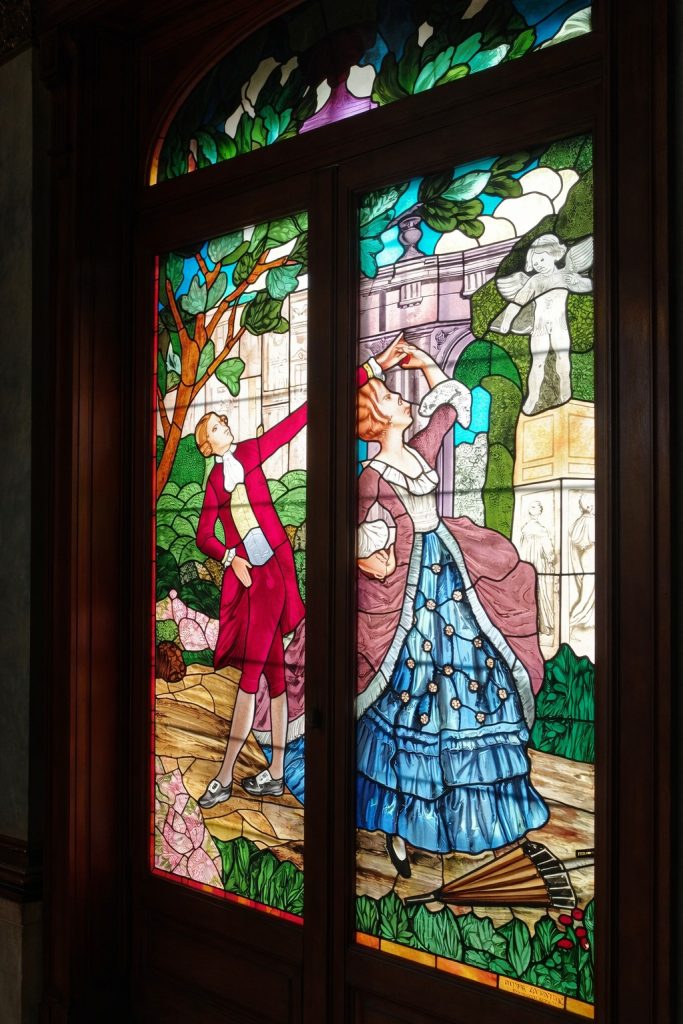
Spread across approximately 4,185 square meters, the palace features two wings — eastern and western — connected by a long corridor and surrounded by gardens. Its interiors are richly adorned with gilded ceilings, stained and painted glass windows, mosaics, and European‑style murals portraying mythological and historical scenes. The fusion of European aesthetic influences, with touches of Islamic artistry, creates an atmosphere of refined luxury that complements the treasures displayed inside. (Egyptian Monuments)
Following the 1952 Revolution, the palace was transferred to the Egyptian government and used briefly as a presidential guesthouse. By 1986, it had officially become the Royal Jewelry Museum, thanks to a presidential decree to preserve and display the vast collection of royal jewels and artifacts. After extensive restoration and modernization, including structural updates and visitor facilities, the museum was reopened in 2010 to the public, blending heritage preservation with contemporary museum standards. (EgyptToday)

A Treasury of Royal Splendor
One of the most striking aspects of the Royal Jewelry Museum is its immense collection of royal treasures — more than 11,500 individual items chronicling nearly a century and a half of Egypt’s royal history. These pieces once belonged to members of the Muhammad Ali family, whose reign spanned from 1805 to 1952 and included rulers such as Khedive Ismail, King Fuad I, and King Farouk. (بوابة الأهرام)
The collection is arranged thoughtfully across numerous galleries, each telling a piece of Egypt’s royal story:
Royal Jewelry and Crowns
Among the most breathtaking exhibits is the platinum tiara worn by Princess Shwikar, adorned with over 2,159 diamonds, showcasing the unparalleled craftsmanship of early 20th‑century jewelers. Another highlight is Queen Farida’s diadem, a floral masterpiece of white and yellow diamonds totaling 1,506 stones. (Scoop Empire)
These ornate headpieces, along with diamond‑studded necklaces, bracelets, gemstone sets, and royal insignia, reflect not only luxury but also the symbolic role of monarchy in ceremonial life.
Personal Effects of Monarchs
The museum includes personal items of kings and queens that reveal aspects of their daily lives and personalities. For example:
- King Farouk I’s ebony walking stick inlaid with gold and adorned with sapphires and diamonds.
- Gold and sapphire cups, each set containing hundreds of precious stones.
- Timepieces and watches crafted by Europe’s finest makers, reflecting the cosmopolitan tastes of the Egyptian royal family. (EgyptToday)
The exhibition also includes elaborate dining sets, medals, royal garments, and insignia from various reigns, painting a rich tapestry of aristocratic life and international relations in Egypt’s past.
Diplomatic Gifts and Antiques
Another remarkable section features gifts and antiques presented to Egyptian royalty by foreign dignitaries. One legendary piece is a gem‑ornamented ceremonial plate given to Khedive Ismail during the opening of the Suez Canal. Such items not only signify diplomatic ties but also highlight the international cultural exchanges of the 19th and early 20th centuries. (Alexandria)
The Visitor’s Experience
Visiting the Royal Jewelry Museum is more than just observing glittering artifacts — it’s an immersive journey through history, art, and lifestyle. The museum’s halls are designed to evoke the sophistication of the royal era, with marble staircases leading visitors through elegantly themed rooms that transition from private royal chambers to state‑level ceremonial galleries. (Afro Asian Travel)
The museum also provides informative signage and contextual descriptions that help visitors understand not only the aesthetic value of the exhibits but also their historical significance. Many pieces offer stories of love, power, celebration, and sometimes loss — each jewel a testament to Egypt’s social and political evolution.
For architecture enthusiasts, the palace itself is a highlight. The stained glass windows cast colorful light across ornate floors; the painted ceilings evoke mythological scenes; and every corridor feels like a passage through time. Combined with the royal artifacts, these artistic details make the museum a must‑visit for anyone interested in Egypt’s aristocratic heritage. (Egyptian Monuments)
Practical Visiting Details
The Royal Jewelry Museum is generally open daily from 9:00 AM to 5:00 PM, with the ticket counter closing around 4:00 PM. Ticket prices are modest for Egyptian and Arab visitors, while international visitors pay higher admission fees — reflecting the museum’s premium status among Egypt’s cultural attractions. (Egyptian Monuments)
Photography is allowed under specific rules and typically requires a separate photography ticket, while flash and tripods may be restricted to protect sensitive exhibits. Museum facilities often include a gift shop where visitors can purchase souvenirs inspired by Egypt’s heritage. (Egyptian Monuments)

Legacy and Cultural Significance
Beyond its dazzling jewels, the Royal Jewelry Museum serves as a bridge between eras — connecting Egypt’s modern identity with the legacy of its last royal dynasty. By preserving and exhibiting these treasures in their original architectural context, the museum creates a powerful narrative about power, art, and cultural evolution. (بوابة الأهرام)
For visitors from around the world and local Egyptians alike, the museum offers a rare opportunity to see firsthand the material culture of a bygone era — one marked by regal elegance, global influence, and rich artistic collaboration. It stands as both a historical archive and a celebration of craftsmanship unparalleled in Egypt’s modern heritage landscape.