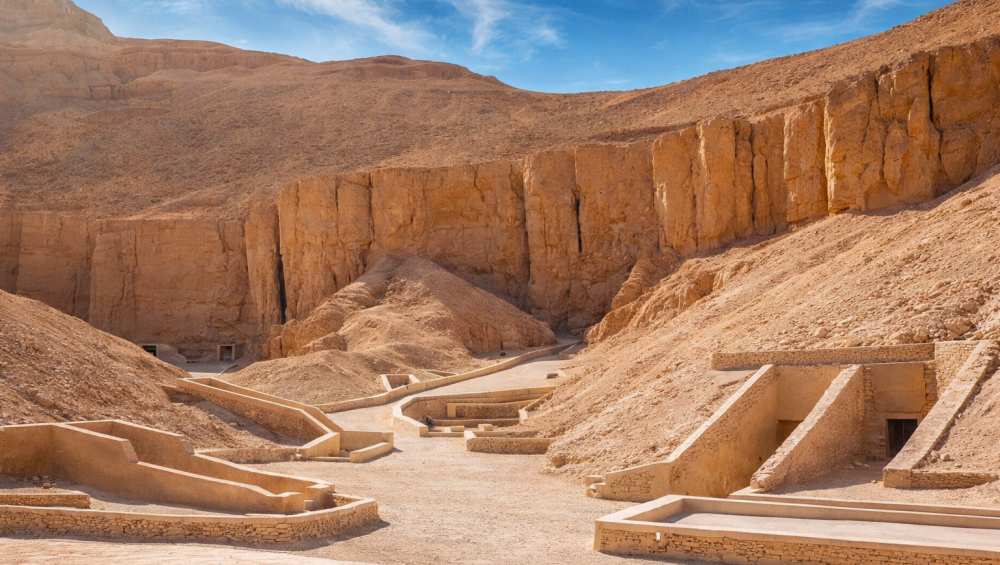
The Valley of the Kings is one of the most extraordinary archaeological sites in the world and a must-visit destination for anyone traveling to Luxor, Egypt. Located on the West Bank of the Nile, this ancient burial ground was once the final resting place of Egypt’s most powerful pharaohs during the New Kingdom period (1550–1070 BC).
Famous for its richly decorated tombs, mysterious hieroglyphs, and deep connection to ancient Egyptian beliefs about the afterlife, the Valley of the Kings continues to attract historians, archaeologists, and tourists from all over the globe.
Where Is the Valley of the Kings Located?
The Valley of the Kings is situated on the western side of Luxor, opposite the modern city, in an area known as the Theban Necropolis.
Why the West Bank Was Chosen
In ancient Egyptian mythology, the west was associated with death and the afterlife, as it was where the sun set each day. For this reason, the West Bank of Luxor became the sacred burial ground for kings, queens, and nobles.
History of the Valley of the Kings
The Valley of the Kings was used as a royal cemetery for nearly 500 years, primarily during Egypt’s New Kingdom.
From Pyramids to Hidden Tombs
Unlike the Old Kingdom pharaohs who built pyramids, New Kingdom rulers chose hidden rock-cut tombs to:
- Protect treasures from tomb robbers
- Conceal burial locations
- Reflect evolving religious beliefs
These tombs were carved deep into limestone cliffs and sealed after burial.
How Many Tombs Are in the Valley of the Kings?
To date, archaeologists have discovered over 60 tombs, officially labeled with “KV” numbers (King’s Valley).
Tomb Numbering System
- KV1, KV2, KV3… etc.
- New tombs are still being discovered, proving the valley remains an active archaeological site.
The Most Famous Tombs in the Valley of the Kings
Tomb of Tutankhamun (KV62)
The most famous tomb in the Valley of the Kings belongs to King Tutankhamun. Discovered in 1922 by Howard Carter, it was found nearly intact, filled with golden treasures.
Why it matters:
- Changed global understanding of ancient Egypt
- Treasures now displayed in Egyptian museums
- A separate ticket is required to enter
Tomb of Ramesses II
Ramesses II, also known as Ramesses the Great, ruled for over 60 years. His tomb showcases:
- Detailed wall paintings
- Scenes from the Book of the Dead
- Powerful depictions of gods and the afterlife
Tomb of Seti I
Considered the most beautifully decorated tomb in the valley, the tomb of Seti I features:
- Exceptional artwork
- Vibrant colors
- Long corridors with religious texts
Ancient Egyptian Beliefs About the Afterlife
The Valley of the Kings was not just a burial place—it was a spiritual gateway to eternity.
The Book of the Dead
Tomb walls were covered with sacred texts designed to guide the pharaoh safely through the afterlife.
Preservation of the Body
Mummification ensured the soul could reunite with the body, allowing eternal life.
Architecture and Design of the Tombs
Each tomb in the Valley of the Kings follows a complex architectural plan:
- Long corridors
- Burial chambers deep underground
- Astronomical ceilings
- Symbolic colors and carvings
These designs evolved over time as religious ideas developed.
Visiting the Valley of the Kings Today
Opening Hours
- Daily from early morning until late afternoon
- Best visited early to avoid crowds and heat
Ticket Information
Standard ticket allows entry to three tombs
Special tickets required for:
- Tutankhamun
- Seti I
Best Time to Visit the Valley of the Kings
The ideal time to visit is:
- October to April (cooler weather)
- Early morning hours
This ensures a more comfortable and enjoyable experience.
Photography Rules Inside the Tombs
- Photography may require an additional ticket
- Flash photography is prohibited
- Some tombs restrict photos entirely
Always follow local guidelines to protect the artwork.
Valley of the Kings and Luxor Tourism
The Valley of the Kings is a cornerstone of Luxor tourism, often combined with visits to:
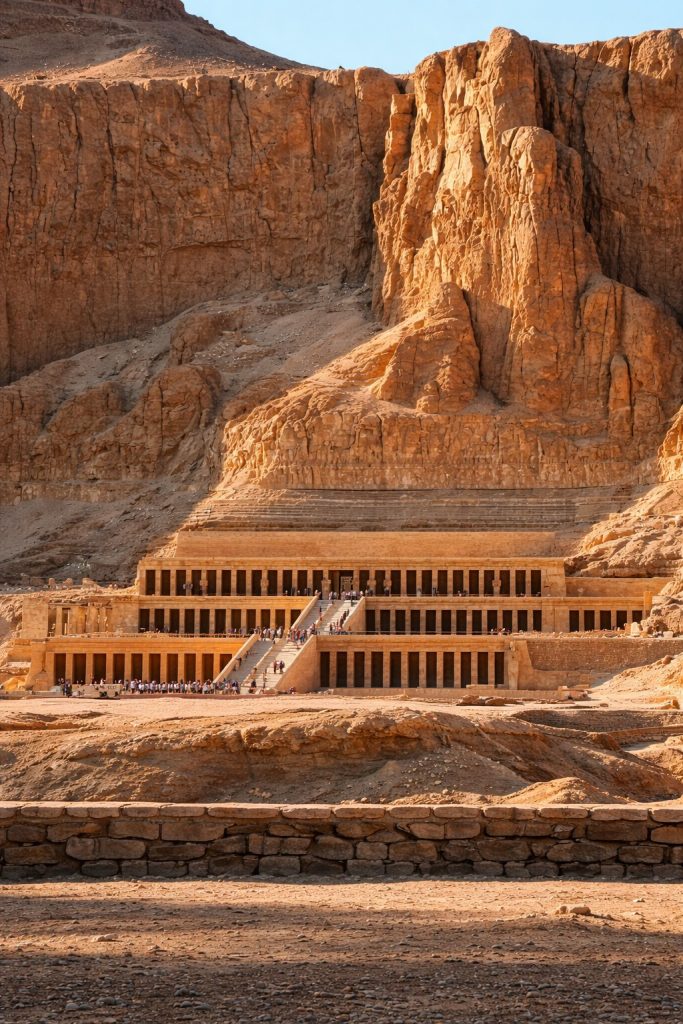
- Hatshepsut Temple
- Colossi of Memnon
- Karnak Temple
- Luxor Temple
Tour operators like Zoya Tours offer guided experiences, making exploration easier and more informative.
Tips for Visitors
H3: Practical Travel Tips
- Wear comfortable shoes
- Bring water and sun protection
- Respect archaeological sites
Guided Tours vs. Solo Visits
A guided tour enhances understanding of:
- Hieroglyph meanings
- Tomb symbolism
- Historical context
Why the Valley of the Kings Is a Must-Visit Destination
The Valley of the Kings represents the peak of ancient Egyptian civilization. It combines:
- History
- Religion
- Art
- Architecture
No visit to Egypt is complete without exploring this legendary site.
Final Thoughts
The Valley of the Kings in Luxor, Egypt, is more than an ancient cemetery—it is a timeless record of humanity’s quest for immortality. From the hidden tomb of Tutankhamun to the breathtaking art of Seti I, every corner tells a story that has survived thousands of years.
Whether you are a history enthusiast, a cultural traveler, or a first-time visitor to Egypt, the Valley of the Kings promises an unforgettable journey into the heart of ancient civilization.