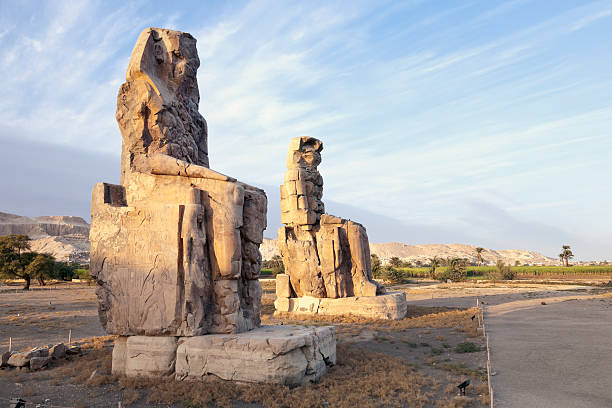
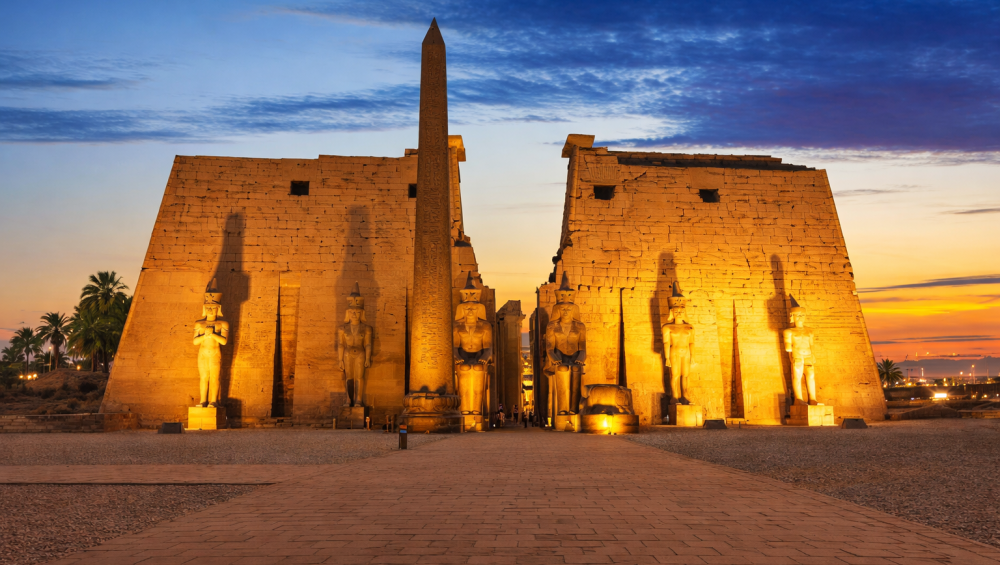
Luxor Temple is one of the most remarkable and well-preserved ancient temples in Egypt. Located in the heart of modern Luxor city on the east bank of the Nile River, the temple stands as a powerful symbol of Ancient Egyptian religious, political, and architectural brilliance. Unlike many temples built in remote desert locations, Luxor Temple was designed to be accessible, making it an essential part of daily life in ancient Thebes.
Today, Luxor Temple is considered one of the top tourist attractions in Luxor, attracting millions of visitors from around the world every year.
Location of Luxor Temple and Its Strategic Importance
Luxor Temple is uniquely situated in the center of Luxor city, surrounded by hotels, markets, and the Nile Corniche. One of its most important features is its connection to Karnak Temple through the famous Avenue of Sphinxes, also known as the Avenue of Rams.
This sacred road played a crucial role in ancient religious festivals and reinforces Luxor Temple’s importance in the spiritual landscape of Ancient Egypt.
History of Luxor Temple
The construction of began during the reign of Amenhotep III in the 14th century BCE, during the height of the New Kingdom period. Later, Ramesses II expanded the temple, adding massive statues, pylons, and inscriptions celebrating his military victories.
Unlike funerary temples, was primarily dedicated to the rejuvenation of kingship and divine authority rather than worship alone.
Pharaohs Who Contributed
Amenhotep III
- Founder of the core structure
- Built the inner sanctuaries and colonnades
Ramesses II
- Constructed the grand entrance pylon
- Installed colossal statues and obelisks
Tutankhamun & Horemheb
- Added decorative reliefs and religious scenes
These contributions make Luxor Temple a historical record of multiple generations of Ancient Egyptian rulers.
Architectural Design of Luxor Temple
The architectural layout of reflects the sophistication of Ancient Egyptian temples.
The First Pylon
- Massive gateway built by Ramesses II
- Decorated with battle scenes and royal reliefs
The Great Courtyard
- Surrounded by columns and statues
- Used for public ceremonies
The Colonnade of Amenhotep III
- Elegant papyrus-shaped columns
- One of the most photographed sections
Sanctuary of Amun
- The holiest area of the temple
- Accessible only to priests and the king
Religious Significance of Luxor Temple
was primarily dedicated to the Theban Triad:
- Amun-Ra
- Mut
- Khonsu
The temple played a central role in legitimizing the divine power of the pharaoh, reinforcing the belief that the king ruled by the will of the gods.
The Opet Festival and Luxor Temple
One of the most important religious events associated was the Opet Festival. During this annual celebration, statues of the gods were transported from to Luxor Temple via the Avenue of Sphinxes or by boat along the Nile.
The festival symbolized:
- Renewal of royal authority
- Fertility and rebirth
- Harmony between gods and humans
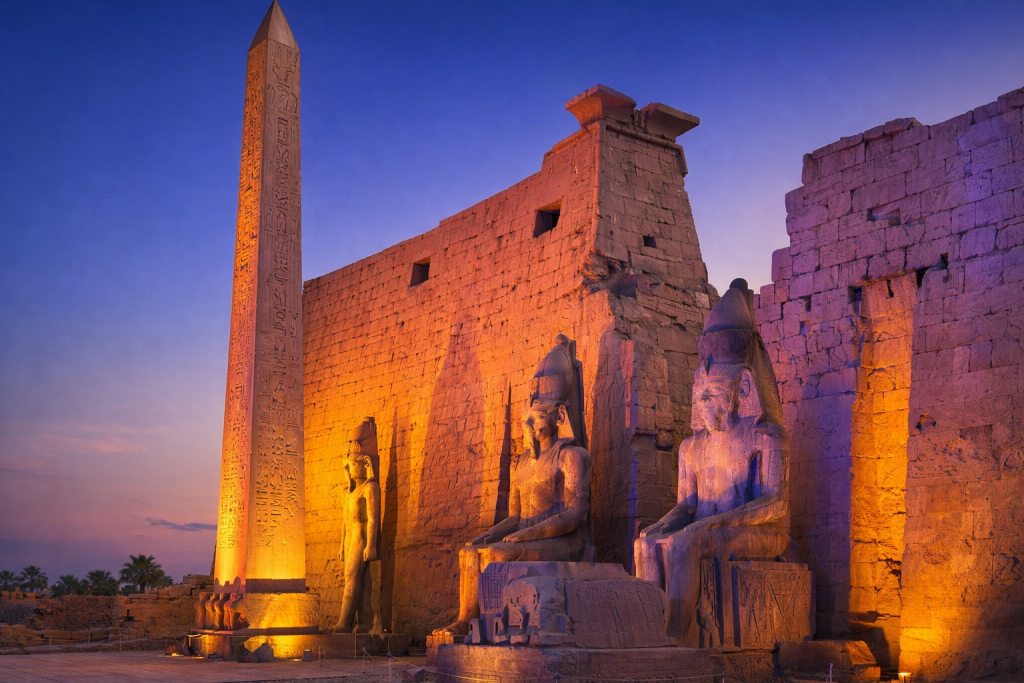
Luxor Temple at Night: A Magical Experience
Visiting Luxor Temple at night offers a completely different experience. Strategic lighting highlights the temple’s carvings, columns, and statues, creating an unforgettable atmosphere.
Night visits are extremely popular among tourists and photographers, making it a key feature of tourism

Luxor Temple Through Different Historical Periods
is unique because it reflects layers of history beyond the Pharaonic era:
- Converted into a Christian church during the Roman period
- Mosque of Abu Al-Haggag built within the temple during Islamic rule
This coexistence of civilizations makes a rare example of cultural continuity over thousands of years.
Tourism Importance of Luxor Temple
is a cornerstone of Egypt’s tourism industry:
- One of the most visited temples in Egypt
- Central stop in Nile cruise itineraries
- Included in almost all Luxor tour packages
Its central location makes it ideal for short visits, day tours, and evening excursions.
Best Time to Visit
- October to April for pleasant weather
- Early morning for fewer crowds
- Evening visits for photography and ambiance
Visitor Tips
- Wear comfortable walking shoes
- Bring water, especially in summer
- Hire a licensed tour guide for deeper understanding
- Combine your visit with Karnak Temple and the Avenue of Sphinxes
Why Is One of Egypt’s Greatest Monuments
Luxor Temple stands out because:
- It symbolizes divine kingship rather than funerary rituals
- It blends religious, political, and cultural history
- It remains active within a living city
- It represents the peak of Ancient Egyptian architecture
Conclusion
is more than just an archaeological site—it is a living testament to the greatness of Ancient Egyptian civilization. Its historical depth, architectural brilliance, and spiritual importance make it one of the most significant monuments in Egypt and the world.
For anyone interested in history, culture, or Luxor tourist attractions, a visit to Luxor Temple is an unforgettable journey through time.