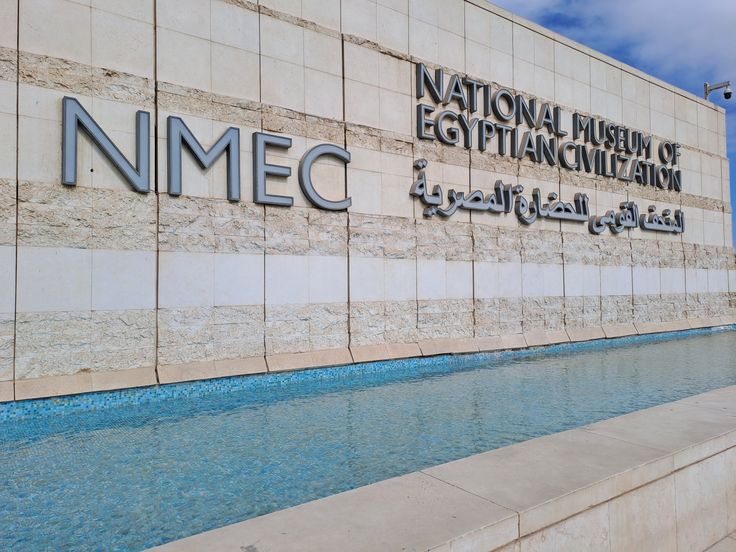
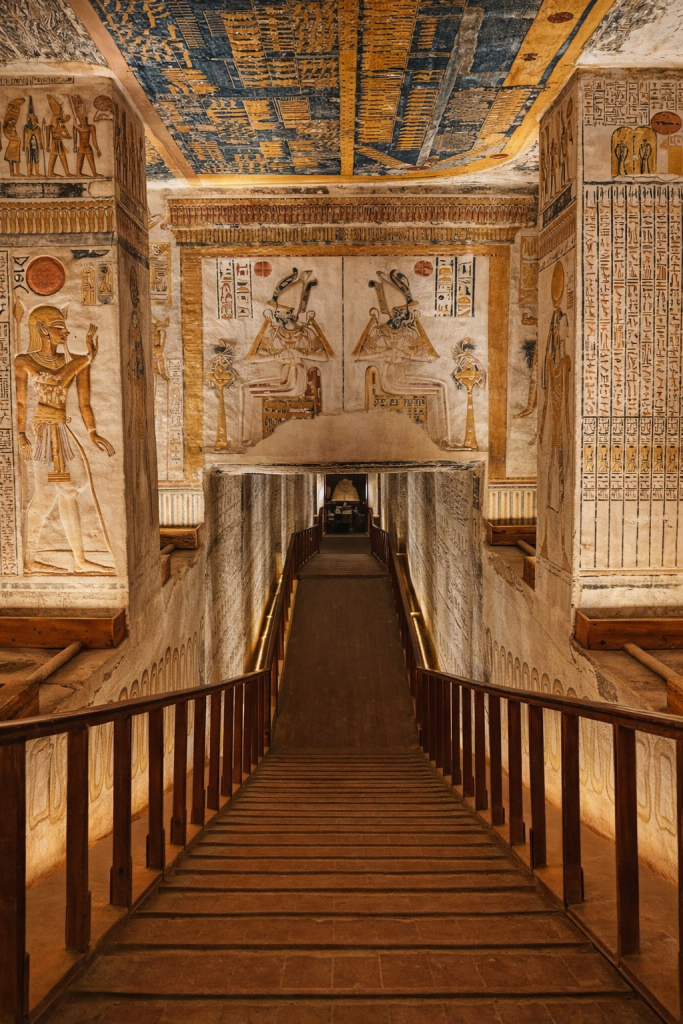
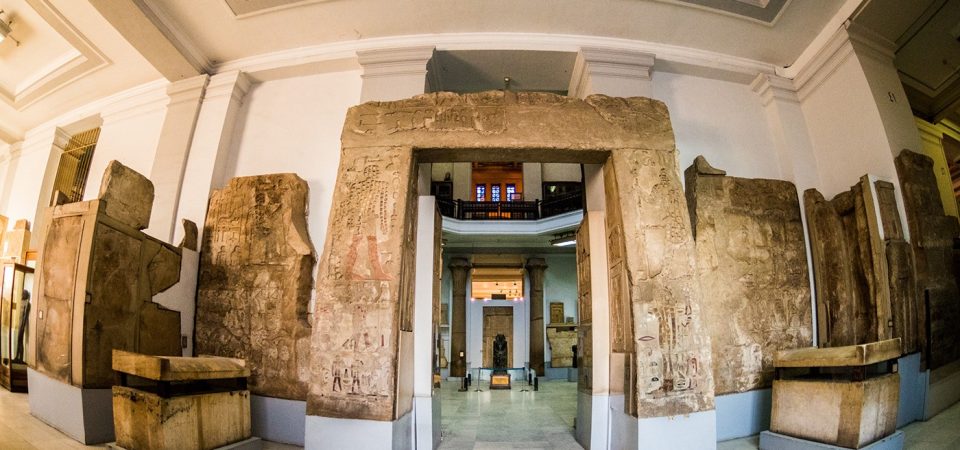
situated in Fustat, Cairo, is Egypt’s premier destination for those seeking to experience the country’s rich heritage and history. From prehistoric times to modern Egypt, the museum showcases thousands of artifacts, royal mummies, and interactive exhibitions that allow visitors to explore Egypt’s civilization like never before.
Whether you are a history enthusiast, a cultural explorer, or a tourist planning your next adventure, visiting NMEC is a journey through 7,000 years of Egyptian civilization.
History and Inauguration of NMEC
Inaugurated in April 2021, the museum represents a modern approach to preserving Egypt’s cultural heritage. It was designed to combine advanced technology, educational storytelling, and immersive experiences, offering a new standard for museum visits in Cairo.
The NMEC focuses on:
Preservation of artifacts using state-of-the-art climate control
Interactive displays to engage visitors
Multi-language guides and educational programs for children and adults
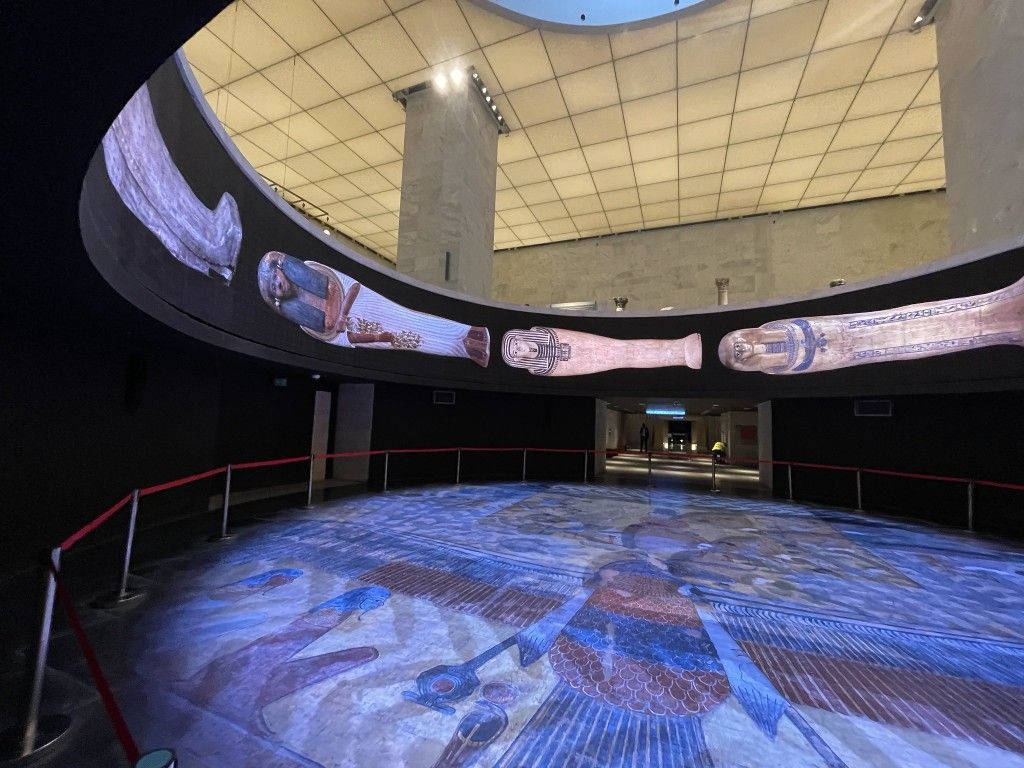
"Interactive exhibition at National Museum of Egyptian Civilization"
Collections and Exhibits
The museum’s exhibits are arranged chronologically, providing a seamless journey through Egypt’s history:
Prehistoric Egypt
Discover early human settlements through tools, pottery, and artifacts that date back thousands of years. These exhibits offer insight into Egypt’s beginnings and the evolution of its culture.
Pharaonic Period
Explore artifacts from the dynastic era, including statues, jewelry, amulets, and everyday items. Learn about the lives of pharaohs, the construction of pyramids, and ancient Egyptian religious practices.
Greco-Roman Egypt
This section showcases sculptures, coins, mosaics, and other artifacts from Egypt’s Greco-Roman period, highlighting the fusion of Egyptian and Mediterranean cultures.
Coptic and Islamic Egypt
Exhibits include religious manuscripts, art, and architecture that tell the story of Egypt’s cultural diversity throughout the centuries.
Modern Egypt
Explore Egypt’s journey into the modern era with documents, artworks, and cultural artifacts that reflect the nation’s evolution and achievements.
Royal Mummies Hall
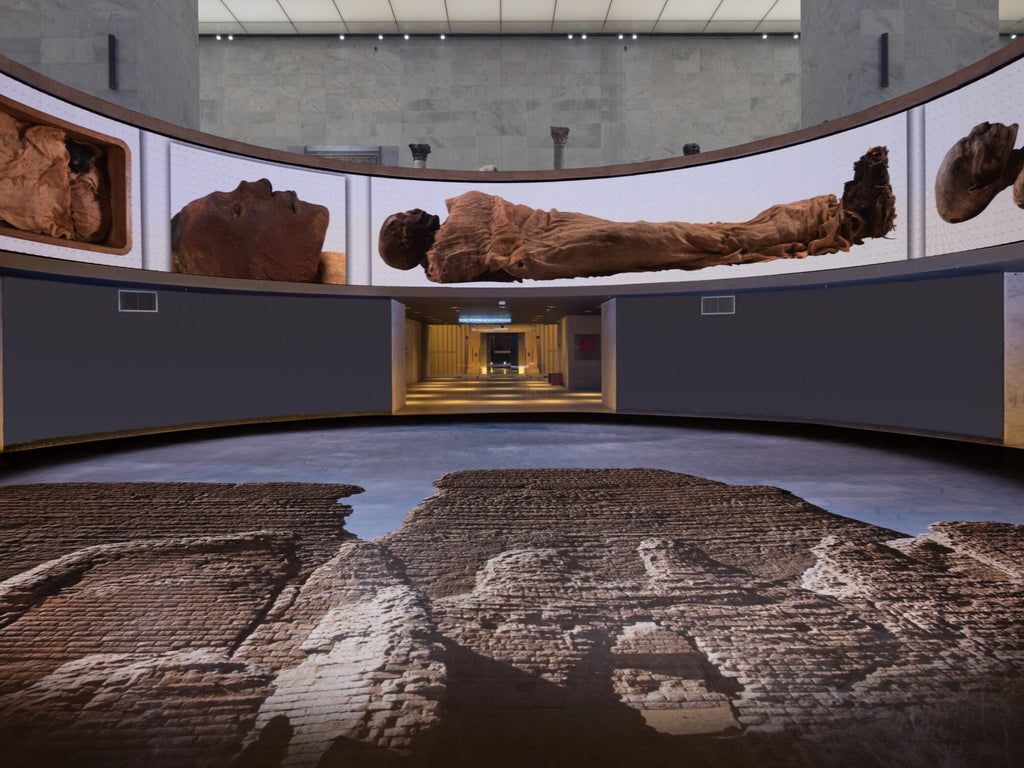
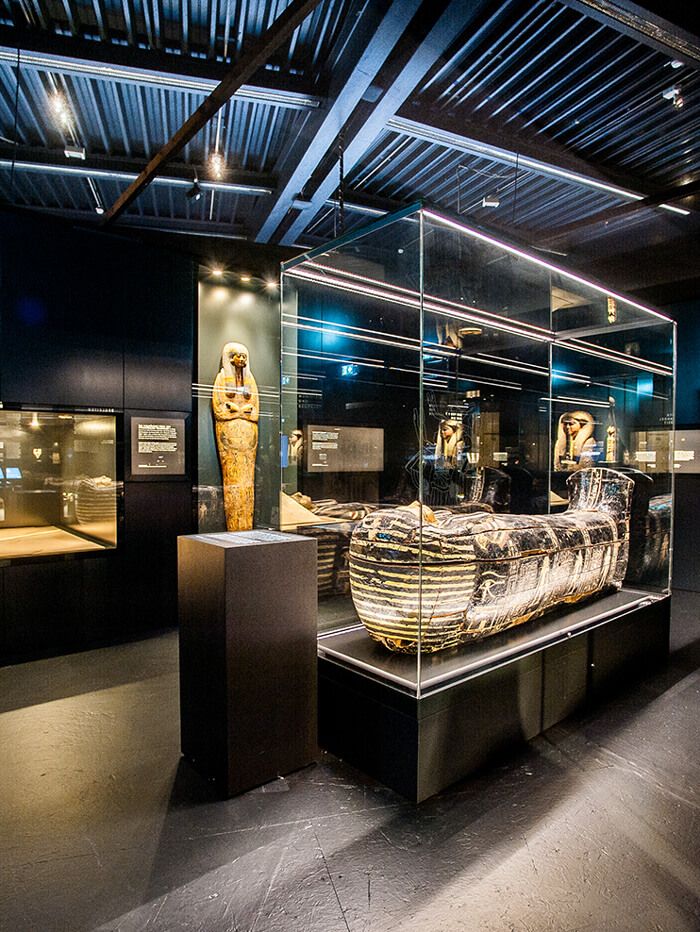
One of the museum’s highlights is the Royal Mummies Hall, featuring 22 kings and 4 queens of Ancient Egypt. Displayed in a specially designed hall with advanced preservation techniques, this collection is a must-see for visitors.
"Royal Mummies Hall at NMEC, Cairo"
Interactive Experiences at NMEC
NMEC is designed to engage all ages through interactive experiences:
Digital touchscreens explaining artifacts in detail
Virtual reality exhibits bringing history to life
Children’s educational zones
Cafes and souvenir shops for a complete visitor experience
Opening Hours: Daily 9:00 AM – 7:00 PM Ticket Information: Adult and child tickets; student and group discounts available
Visitor Tips and How to Reach NMEC
Located in Old Cairo (Fustat), the museum is accessible via:
Taxi or private car
Tour packages from Zoya Tours
Nearby attractions include:
Coptic Cairo landmarks
Historic mosques and ancient churches
Local markets and cultural areas
Why NMEC is a Must-Visit
Visiting NMEC is more than just sightseeing:
Gain a comprehensive understanding of Egyptian civilization
Witness ancient artifacts and royal mummies firsthand
Enjoy modern museum technologies for immersive learning
Create unforgettable memories in Cairo, one of the world’s most historic cities
The National Museum of Egyptian Civilization (NMEC), located in Fustat, Cairo, is one of the most comprehensive cultural institutions in Egypt, showcasing the rich tapestry of the country’s history from prehistoric times to the modern era. Opened in 2021, the museum houses thousands of artifacts, including mummies, ancient tools, royal regalia, and exquisite artworks, providing visitors with a complete narrative of Egypt’s civilization.
A highlight of the museum is the Royal Mummies Hall, where visitors can see the preserved remains of some of Egypt’s most famous pharaohs, including Ramses II and Hatshepsut, offering an extraordinary glimpse into ancient burial practices and royal life. The museum’s modern design, interactive exhibits, and multimedia presentations make it accessible and engaging for visitors of all ages, while its educational programs provide deep insights into Egypt’s historical evolution, cultural achievements, and artistic heritage
. Whether you are a history enthusiast, a student, or a casual tourist, the NMEC provides an unforgettable journey through the heart of Egyptian civilization.
is one of the most important archaeological sites in the country and a key destination for anyone interested in ancient Egyptian history. Once the first capital of unified Egypt, Memphis played a central role in politics, religion, and culture for more than a thousand years. Today, it stands as an open-air museum filled with remarkable statues, ruins, and timeless stories.
is located near the village of Mit Rahina, approximately 20 kilometers south of Cairo, close to the famous sites of Saqqara and Dahshur. Its strategic position between Upper and Lower Egypt made it an ideal capital during the early dynasties.
History of Memphis, Egypt
Founded around 3100 BCE by King Menes (Narmer), Memphis became the first capital of ancient Egypt after the unification of the country. It remained a political and administrative center throughout the Old Kingdom and continued to be significant for centuries.
Memphis was dedicated to the god Ptah, the creator god and patron of craftsmen and architects. The city flourished as a hub of art, religion, and royal power.
Importance of Memphis in Ancient Egypt
Memphis was not just a capital—it was the heart of ancient Egyptian civilization.
Why Was Important:
Center of government and administration
Major religious hub dedicated to Ptah
Close to royal burial grounds like Saqqara Necropolis
Home to skilled artisans, architects, and builders
Many of Egypt’s greatest monuments, including nearby pyramids, were planned and managed from Memphis.
The Open-Air Museum
Today, which showcases impressive artifacts discovered in the area.
Highlights :
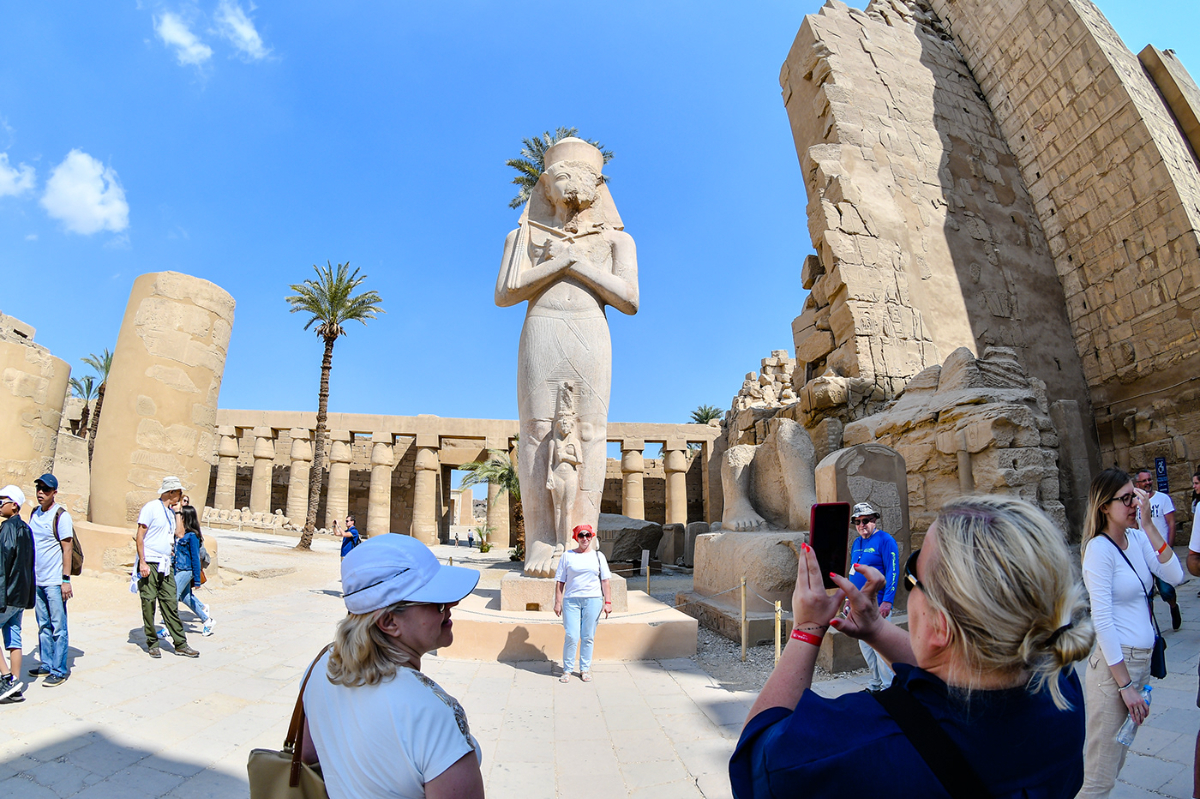
The colossal Statue of Ramses II
A beautifully carved Alabaster Sphinx
Remains of ancient temples and city walls
Stone fragments and reliefs from different dynasties
These monuments offer a clear glimpse into the scale and grandeur of ancient Memphis.
Memphis and the Pyramids
One of the reasons is so popular among tourists is its proximity to Egypt’s most famous pyramids.
Nearby attractions include:
Saqqara Step Pyramid
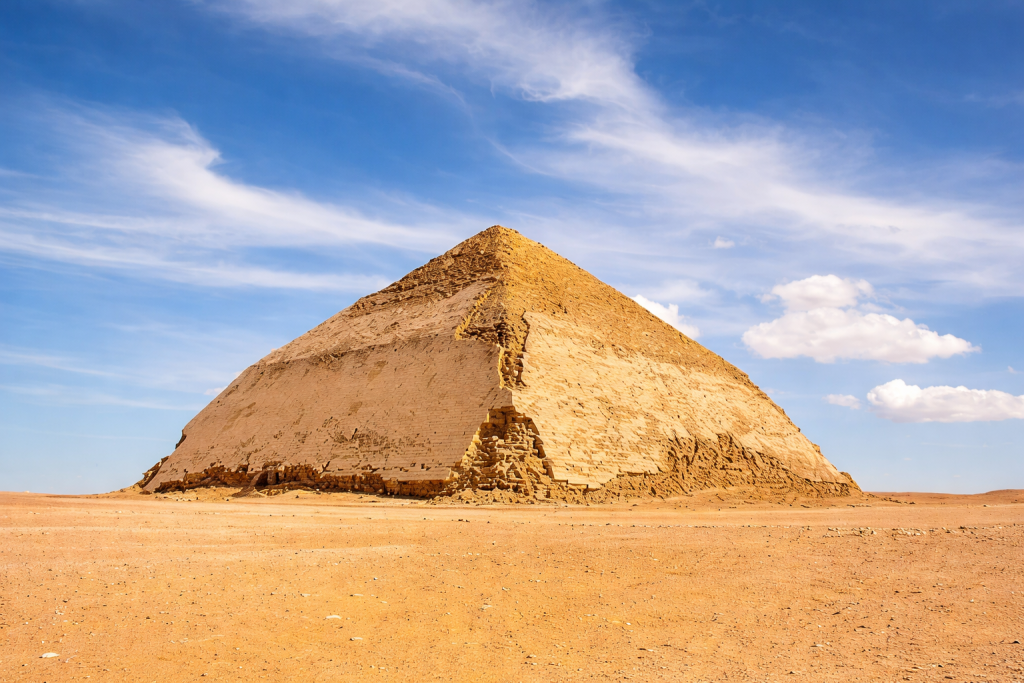
Dahshur Bent Pyramid and Red Pyramid
Giza Pyramids (short drive away)
Because of this,is often included in day tours from Cairo.
Memphis as a UNESCO World Heritage Site
Memphis is part of the UNESCO World Heritage Site titled “Memphis and its Necropolis – the Pyramid Fields from Giza to Dahshur.” This recognition highlights its global historical value and ensures ongoing preservation efforts.
is ideal for travelers who want to explore ancient history beyond the Giza Plateau.
Visitor Tips:
Best visited in the morning
Combine with Saqqara and Dahshur in one tour
Guided tours provide deeper historical insight
Comfortable walking shoes are recommended
Why You Should Visit
offers a quieter, more authentic experience compared to crowded tourist sites. Walking through its ruins allows visitors to connect directly with the origins of ancient Egyptian civilization.
Whether you are a history lover, cultural traveler, or first-time visitor to Egypt, is a must-see destination.
located near the modern city of Cairo, was the ancient capital of Egypt during the Old Kingdom and one of the most important cultural, political, and religious centers of its time.
Founded around 3100 BC by Pharaoh Menes, Memphis served as a hub for administration, trade, and craftsmanship.
The city was renowned for its grand temples, colossal statues, and bustling marketplaces, reflecting the wealth and sophistication of ancient Egyptian civilization.
Today, visitors can explore the archaeological site, including remnants of temples dedicated to the god Ptah, impressive statues such as the giant limestone Colossus of Ramses II, and artifacts displayed in nearby museums.
provides a unique glimpse into the daily life, religious practices, and architectural achievements of early Egypt, making it a must-visit destination for history enthusiasts and cultural explorers alike.
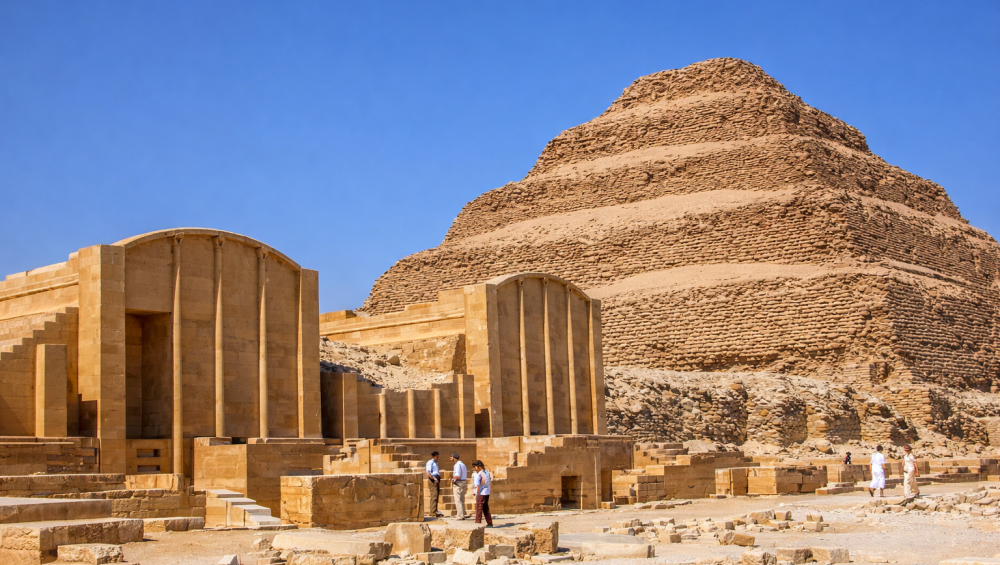
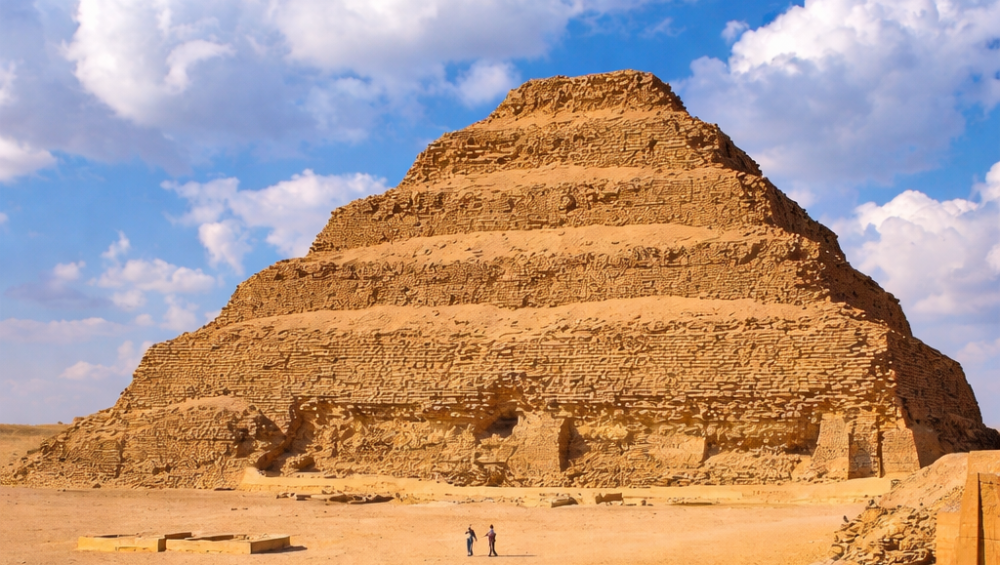
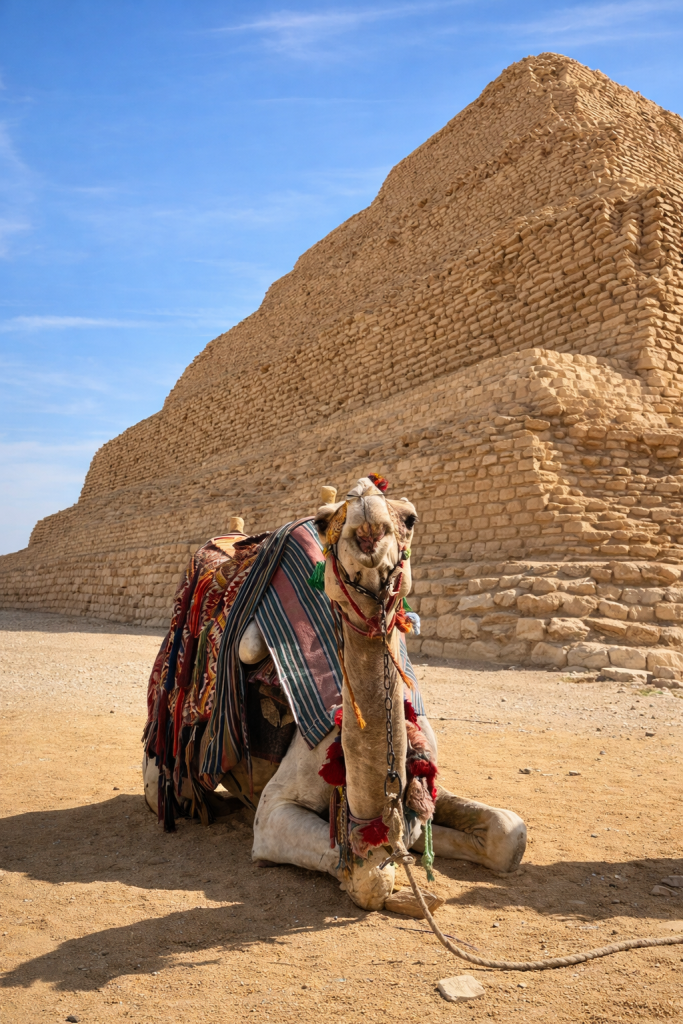
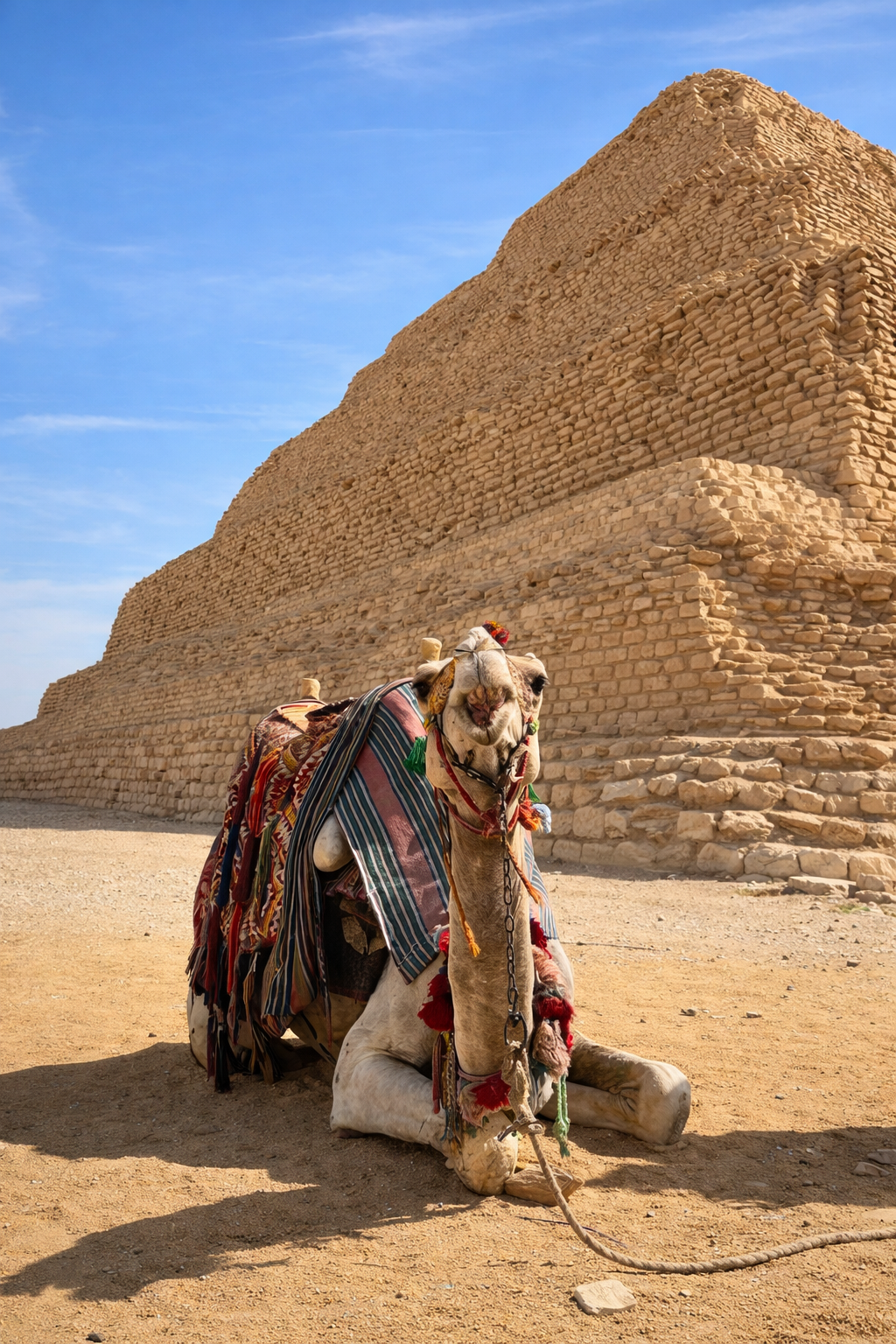
TheSaqqara Pyramid, also known as the Step Pyramid of Djoser, is one of the most important archaeological sites in Egypt and a true masterpiece of ancient Egyptian architecture. Located in Saqqara Necropolis, just south of Cairo, this historic monument represents the beginning of pyramid construction in Egypt and marks a major turning point in human civilization.
Where Is the Saqqara Pyramid Located?
The Saqqara Pyramid is located in Saqqara, about 30 kilometers south of Cairo, near the ancient capital of Memphis. Saqqara served as a vast burial ground for kings, nobles, and officials of ancient Egypt for more than 3,000 years, making it one of the richest archaeological areas in the world.
History of the Saqqara Pyramid
The pyramid was built during the Third Dynasty around 2670 BCE for King Djoser, one of Egypt’s earliest pharaohs. It was designed by Imhotep, the royal architect, physician, and engineer, who is considered the first known architect in history.
Unlike earlier tombs made of mudbrick, the Step Pyramid of Saqqara was constructed entirely of limestone, making it the first large stone building in the world.
Architecture and Design of the Step Pyramid
The Saqqara Step Pyramid stands approximately 62 meters high and consists of six stepped layers, giving it its iconic stair-like shape. This innovative design was a revolutionary development that later inspired the smooth-sided pyramids at Giza.
Key Architectural Features:
Six-tiered step structure
Built from limestone blocks
Surrounded by a vast funerary complex
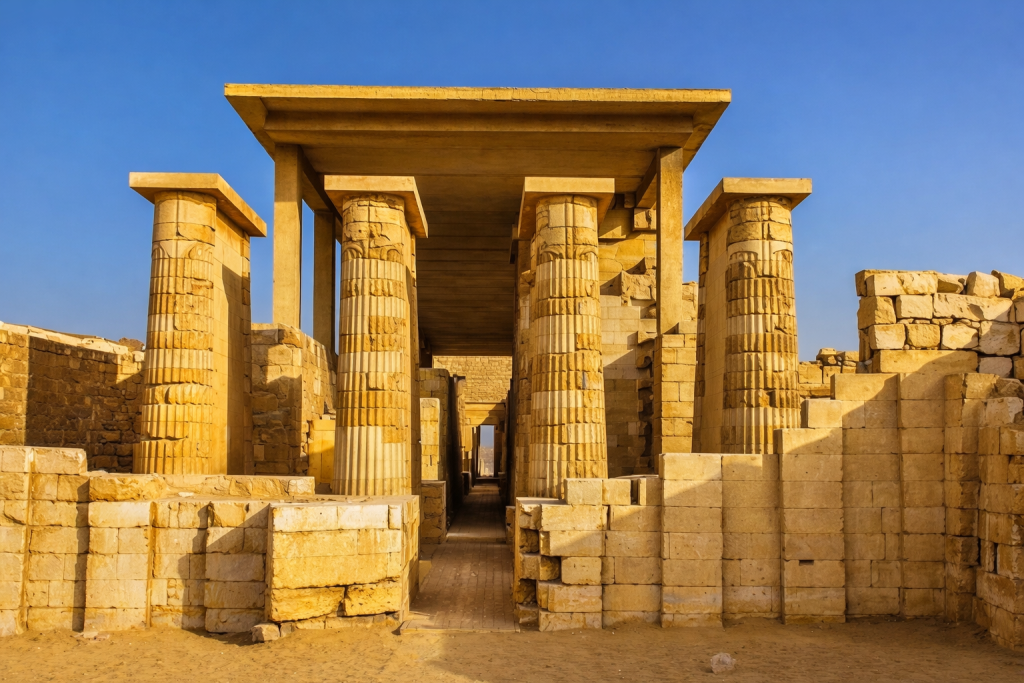
Includes temples, courtyards, shrines, and underground tunnels
The pyramid complex covers an area of about 15 hectares and is enclosed by a massive limestone wall, showcasing the advanced engineering skills of ancient Egyptians.
The Saqqara Pyramid Complex
The Djoser Pyramid complex is much more than just a pyramid. It includes:
The Heb-Sed Court, used for royal ceremonies
A mortuary temple
Storage chambers and offering rooms
An extensive network of underground passages
These elements reflect ancient Egyptian beliefs about the afterlife and the pharaoh’s eternal power.
Religious and Cultural Importance
The Saqqara Pyramid played a crucial role in shaping ancient Egyptian religious beliefs. It symbolized the pharaoh’s ascent to the heavens and his transformation into a god after death. The step design is believed to represent a stairway for the king’s soul to reach the sky.
Saqqara Pyramid Restoration
In recent years, the Saqqara Pyramid has undergone extensive restoration to preserve its structure and reopen it to visitors. Today, tourists can explore parts of the interior chambers and appreciate the pyramid’s original limestone construction.
Visiting the Saqqara Pyramid Today
Visiting the Saqqara Step Pyramid is a must for anyone interested in Egyptian history, archaeology, and ancient monuments.
Visitor Information:
Located near Cairo – perfect for day trips
Easily accessible with guided tours
Best visited in the morning
Combine with visits to Memphis and Dahshur Pyramids
Why the Saqqara Pyramid Is a Must-See Attraction
The Saqqara Pyramid is not only the oldest pyramid in Egypt, but also the foundation of all later pyramid designs. It represents the birth of monumental stone architecture and remains one of Egypt’s greatest archaeological treasures.
The Step Pyramid of Saqqara, located in the ancient burial ground of Saqqara, Egypt, is one of the oldest monumental stone structures in the world.
Built during the 27th century BC for Pharaoh Djoser, it was designed by the legendary architect Imhotep and represents a significant advancement in Egyptian architecture, transitioning from traditional mastaba tombs to a multi-tiered pyramid.
This iconic structure consists of six stepped layers and stands as a testament to the ingenuity and vision of ancient Egyptian civilization.
Visitors to Saqqara can explore the pyramid complex, including surrounding temples, courtyards, and tombs, gaining insight into early dynastic funerary practices, religious beliefs, and the origins of pyramid construction.
With its rich history and architectural innovation, the Step Pyramid continues to captivate historians, archaeologists, and tourists from around the world.
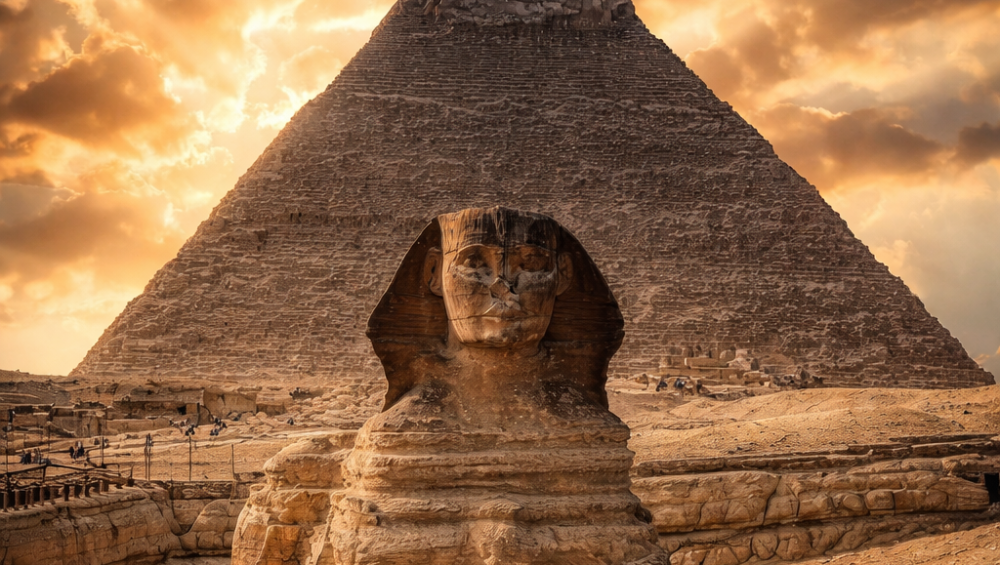
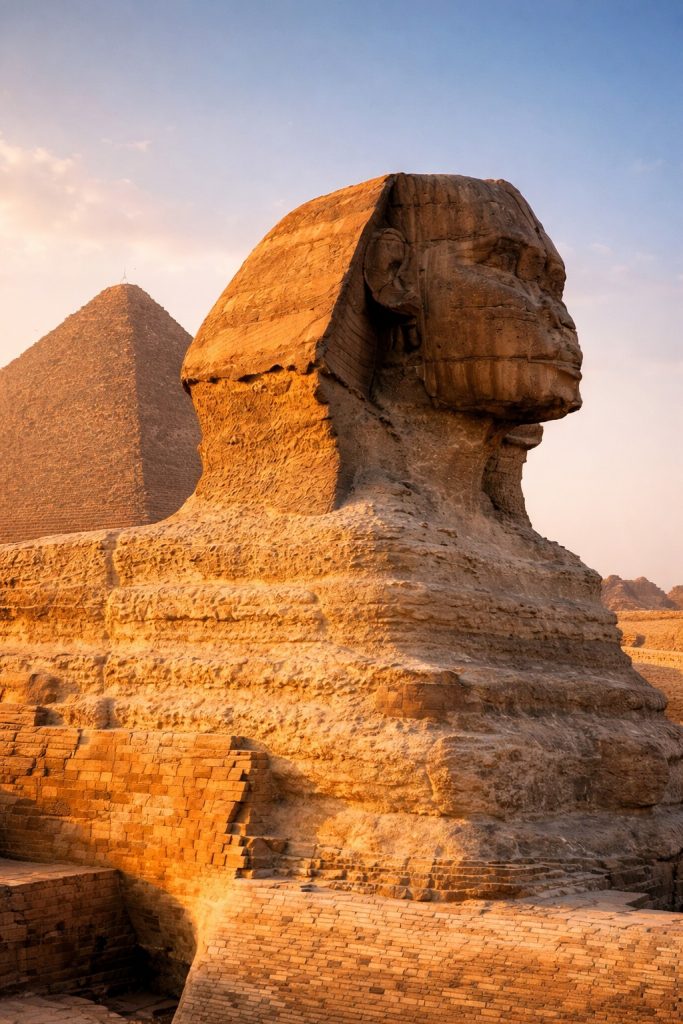
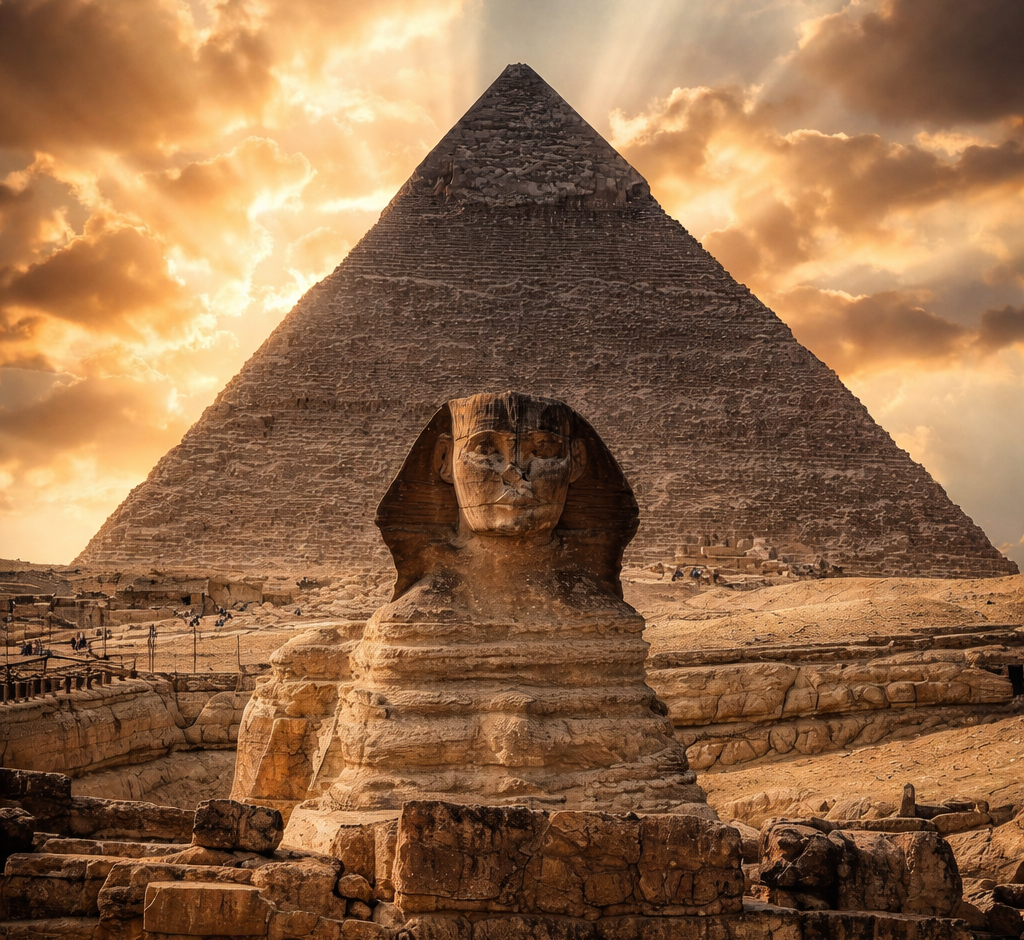
The Great Sphinx of Giza is one of the most mysterious and iconic monuments in the world. Standing proudly on the Giza Plateau, near the famous Pyramids of Giza, the Sphinx has fascinated travelers, historians, and archaeologists for thousands of years.
With the body of a lion and the head of a human, the Great Sphinx represents strength, wisdom, and royal power. Today, it is one of the most visited tourist attractions in Egypt and a must-see landmark for anyone exploring ancient Egyptian civilization.
Where Is the Great Sphinx of Giza Located?
The Great Sphinxis located on the eastern side of the Giza Pyramid Complex, just a short distance from:
The Great Pyramid of Khufu
The Pyramid of Khafre
The Pyramid of Menkaure
Its location makes it an essential stop on all Giza pyramids tours and Cairo sightseeing tours.
History of the Great Sphinx
The Great Sphinx is believed to have been built around 2500 BC, during the reign of Pharaoh Khafre of the Fourth Dynasty.
Most Egyptologists agree that:
The face of the Sphinx represents Pharaoh Khafre
The monument served as a guardian of the pyramids
It symbolized divine protection and royal authority
Despite extensive research, many aspects of the Sphinx’s history remain a mystery, adding to its global fascination.
What Does the Great Sphinx Represent?
The Sphinx combines two powerful symbols:
The lion’s body: strength, protection, and power
The human head: intelligence, wisdom, and leadership
In ancient Egyptian culture, this combination represented the divine role of the pharaoh as both ruler and protector of the land.
How Big Is the Great Sphinx of Giza?
The Great Sphinx is one of the largest stone statues in the world:
Length: approximately 73 meters
Height: around 20 meters
Width: about 19 meters
It was carved directly from limestone bedrock, making its construction even more impressive.
Secrets and Mysteries of the Sphinx
The Great Sphinx is surrounded by legends and unanswered questions:
Missing Nose Mystery
One of the most common questions is: “Who broke the nose of the Sphinx?”
Contrary to popular myths, historical evidence suggests the damage occurred centuries ago, long before Napoleon’s time.
Hidden Chambers
Many believe there are:
Secret tunnels beneath the Sphinx
Hidden chambers connected to the pyramids
While some underground passages exist, no confirmed hidden libraries or treasure rooms have been discovered.
The Sphinx and the Sun
Some researchers believe the Sphinx was aligned with the rising sun, reinforcing its spiritual and cosmic significance in ancient Egyptian religion.
This theory strengthens the idea that the Sphinx played an important ceremonial role beyond being just a statue.
Visiting the Great Sphinx of Giza
Opening Hours
Daily from 8:00 AM to 5:00 PM
Best visited early morning or before sunset
Entrance Information
Included in the general Giza Plateau entrance ticket
Accessible through organized tours or private guides
Most travelers prefer private Egypt tours to fully understand the symbolism and history of the Sphinx.
Is It Safe to Visit the Great Sphinx?
Yes, the Sphinx area is considered safe for tourists. The site is protected by:
Tourism police
Official security staff
Licensed tour operators
Visiting with a professional guide enhances both safety and experience.
Best Time to Visit the Great Sphinx
The best time to visit is:
October to April for pleasant weather
Early morning for fewer crowds and better photos
Summer visits are possible but recommended during cooler hours.
Why the Great Sphinx Is a Must-See Attraction
The Great Sphinx of Giza is more than just a statue—it is a symbol of Egypt’s ancient greatness and enduring mystery. Standing face to face with the Sphinx is an unforgettable experience that connects visitors directly to the heart of ancient Egyptian history.
No trip to Egypt is complete without visiting this legendary monument.
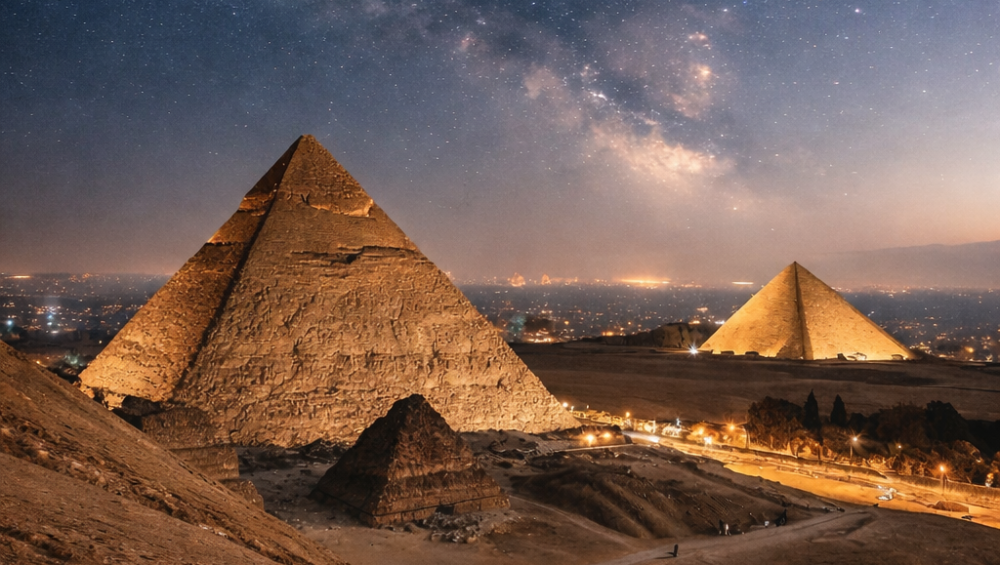
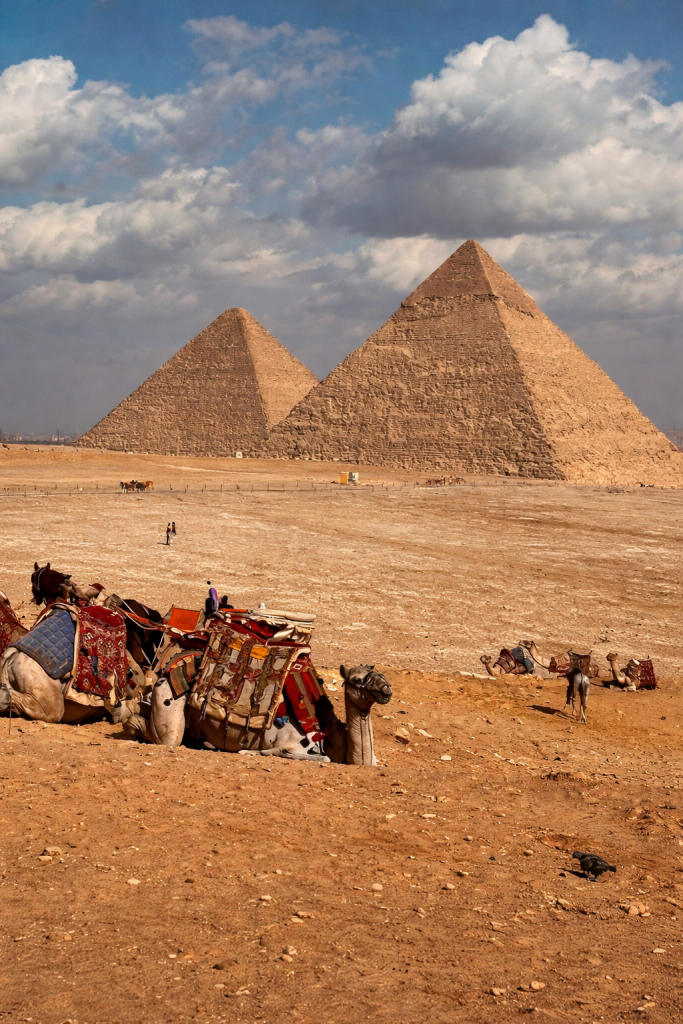
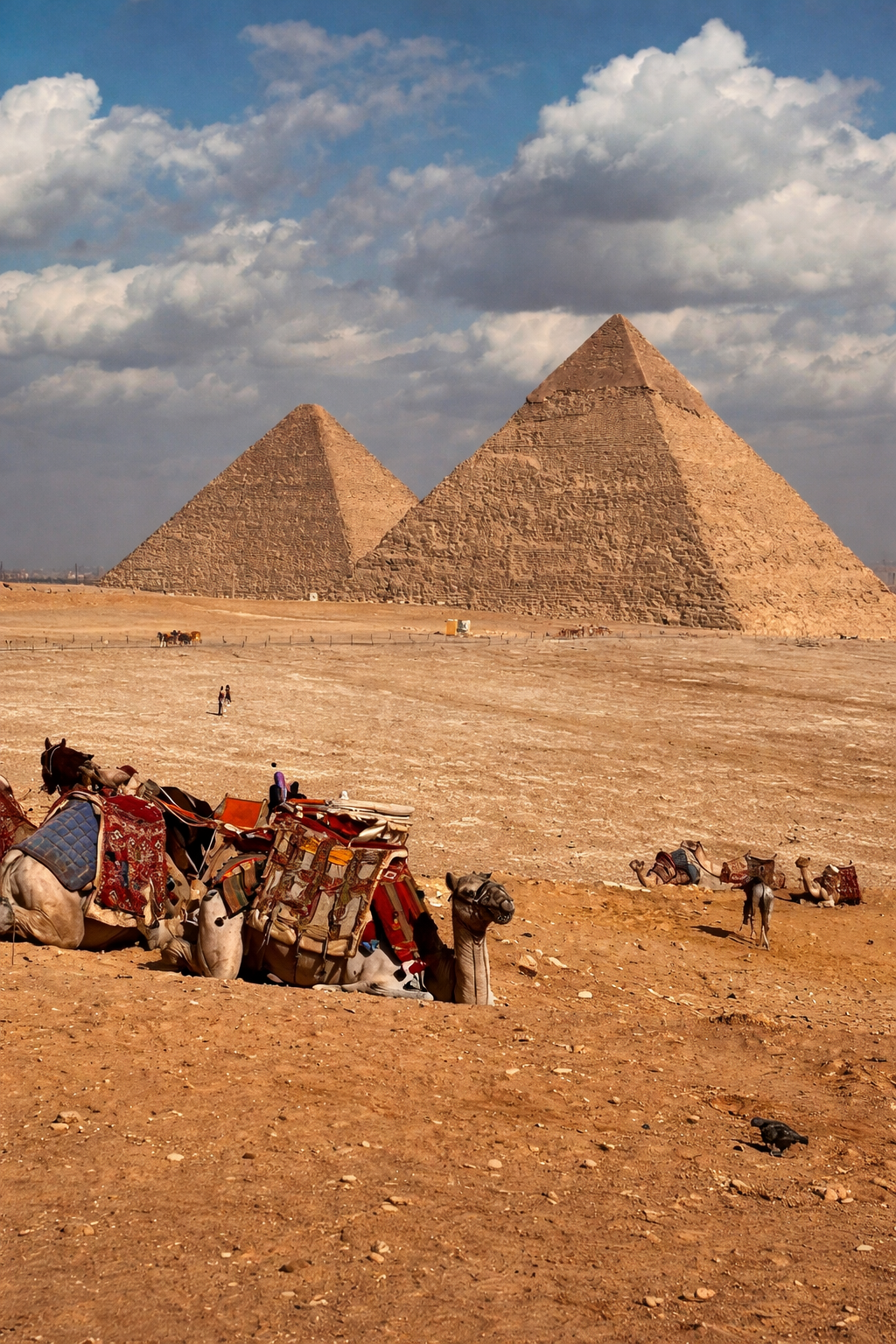
The Pyramids of Gizaare one of the most famous and breathtaking landmarks in the world. Located just outside Cairo, Egypt, these ancient monuments have fascinated travelers, historians, and archaeologists for thousands of years. As the last remaining wonder of the Ancient World, the pyramids continue to attract millions of visitors every year.
In this complete guide, you will discover everything you need to know about the Giza Pyramids, from their history and construction to travel tips, ticket information, and the best experiences to enjoy during your visit.
Where Are the Pyramids of Giza Located?
The Giza Pyramid Complex is located on the Giza Plateau, approximately 20 kilometers southwest of Cairo, making it one of the easiest ancient sites to access from the capital.
Because of its close proximity to Cairo, the pyramids are often included in:
The pyramids were built during Egypt’s Old Kingdom period, around 2600–2500 BC, as royal tombs for the pharaohs of the Fourth Dynasty.
The Three Main Pyramids:
The Great Pyramid of Khufu (Cheops)
The largest pyramid in Egypt
Originally stood at 146 meters tall
The only surviving Ancient Wonder
The Pyramid of Khafre
Slightly smaller than Khufu’s pyramid
Appears taller due to its elevated position
Still has some of its original limestone casing
The Pyramid of Menkaure
The smallest of the three
Known for its refined construction
These structures demonstrate the incredible engineering skills of ancient Egyptian civilization.
How Were the Pyramids Built?
One of the most common questions travelers ask is: “How were the pyramids built?”
Although the exact methods are still debated, historians believe that:
Massive limestone blocks were transported from nearby quarries
Ramps and sleds were used to move stones
Skilled workers, not slaves, built the pyramids
The construction of the pyramids remains one of history’s greatest architectural achievements.
Visiting the Pyramids of Giza: Practical Information
Opening Hours
Daily from 8:00 AM to 5:00 PM
Best time to visit: early morning or late afternoon
Entrance Tickets
General entrance to the Giza Plateau
Optional tickets to enter the Great Pyramid
Camel rides and horse rides available on site
Many visitors prefer private guided tours to fully understand the history and avoid common tourist scams.
Best Things to Do at the Pyramids of Giza
A visit to the pyramids is more than just sightseeing. Popular experiences include:
Exploring the pyramids up close
Entering the Great Pyramid of Khufu
Taking photos with panoramic views
Camel ride around the pyramids
Visiting the Solar Boat Museum
Sound and Light Show at night
These activities make the pyramids suitable for families, couples, and solo travelers.
Is It Safe to Visit the Pyramids of Giza?
Yes, the pyramids are considered safe for tourists, especially when visiting with:
Licensed tour guides
Reputable travel companies
Private transportation
Egyptian tourism police are present throughout the site, ensuring visitor safety.
Best Time to Visit the Pyramids
The best months to visit are:
October to April (cooler weather)
Summer visits are still possible but recommended early in the morning due to high temperatures.
Tips for Visiting the Pyramids
Wear comfortable walking shoes
Bring water and sunscreen
Avoid unofficial guides
Book tours with trusted Egypt travel agencies
These tips help ensure a smooth and enjoyable experience.
Why the Pyramids of Giza Are a Must-Visit
The Pyramids of Giza are not just ancient monuments — they are a testament to human ingenuity and ambition. Whether you are a history lover, a first-time traveler, or an adventure seeker, visiting the pyramids is a once-in-a-lifetime experience.
No trip to Egypt is complete without standing in front of these legendary structures
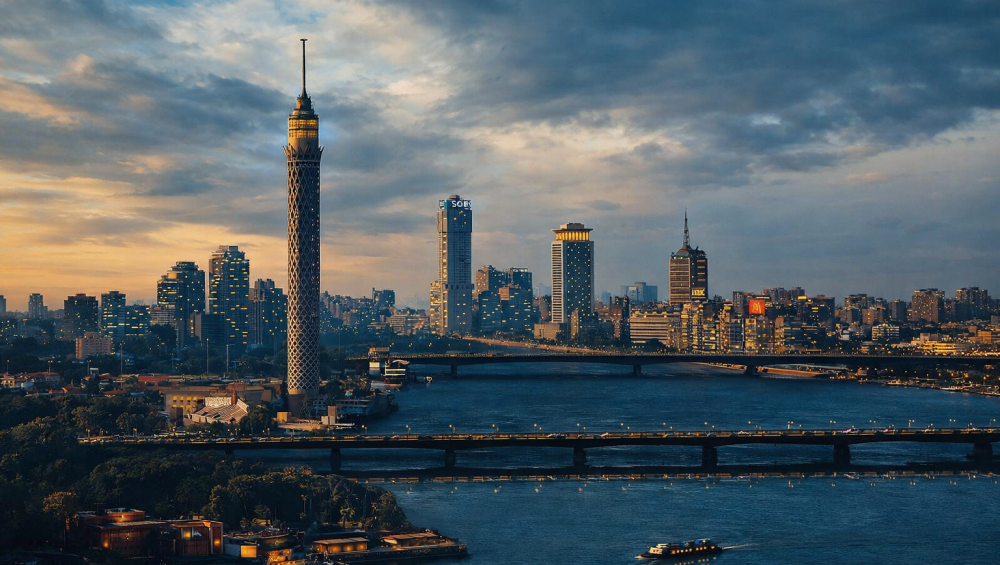
Cairo Tower (برج القاهرة) is one of the most iconic landmarks in Egypt and a must-visit destination for tourists exploring Cairo attractions. Located on Zamalek Island in the Nile River, this architectural marvel offers stunning panoramic views of Cairo, combining modern design with Egyptian cultural heritage.
Every year, thousands of visitors flock to Cairo Tower to experience its observation deck, revolving restaurant, and unique photo opportunities, making it a top tourist attraction in the heart of Cairo.
Location of Cairo Tower
Cairo Tower is located in Zamalek, one of Cairo’s most prestigious neighborhoods:
Situated on the Nile River, offering unbeatable views
Close to Gezira Sporting Club and luxury hotels
Easily accessible by car, taxi, or public transport
Perfect stop for Cairo city tours and Egypt sightseeing
History & Architectural Significance
Built between 1956 and 1961 during the presidency of Gamal Abdel Nasser, Cairo Tower was designed by Egyptian architect Naoum Shebib. Its unique shape, inspired by a lotus flower, symbolizes beauty and continuity in Egyptian culture.
Highlights:
Height: 187 meters (614 feet), making it taller than the Great Pyramid by 43 meters
Floors: 16
Design inspiration: Ancient Egyptian lotus flower and modern architectural techniques
Status: Tallest structure in Africa at the time of completion
Observation Deck & Panoramic Views
The observation deck at Cairo Tower offers 360-degree panoramic views:
Nile River stretching across the city
Giza Pyramids visible on clear days
Saladin Citadel and surrounding historic landmarks
Downtown Cairo skyline with high-rise buildings
Cairo Opera House and Zamalek district
Visitors can enjoy photography, especially at sunset, for stunning cityscapes.
Cairo Tower Revolving Restaurant
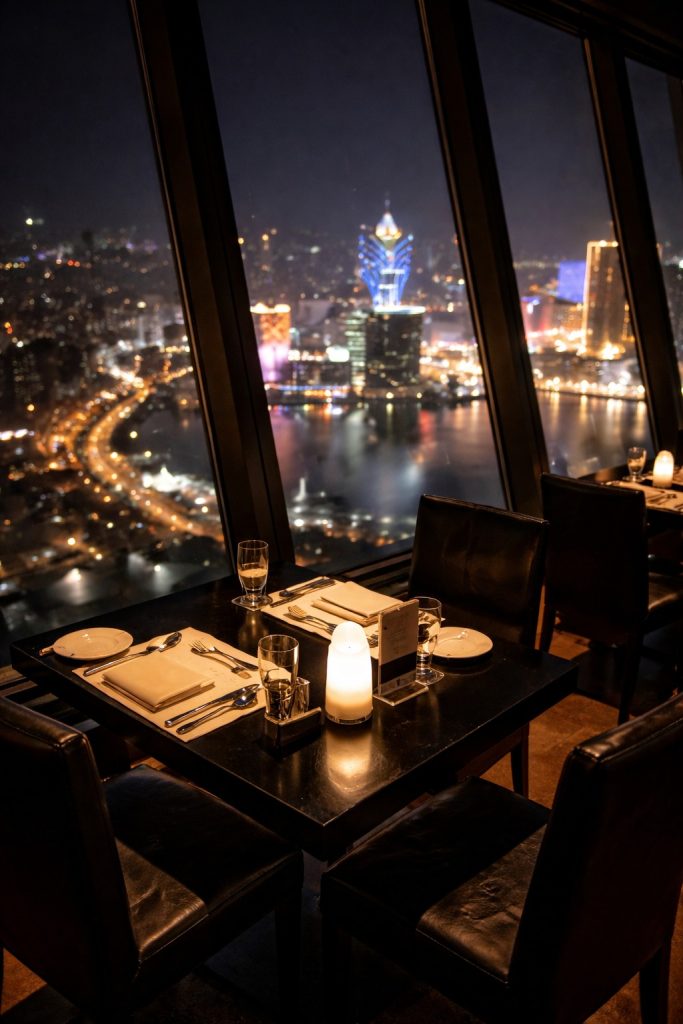
Cairo Tower features a revolving restaurant, providing a 360-degree view while dining. The restaurant is ideal for:
Romantic dinners
Special occasions
Experiencing modern Egyptian cuisine with a view
Unique photography opportunities
Visitors can enjoy local dishes like koshary, grilled meats, Egyptian desserts, as well as international cuisine.
Cultural & Historical Importance
Cairo Tower is more than a viewpoint; it is a cultural icon:
Symbol of modern Cairo architecture blending with Egypt’s heritage
Hosts tourists, locals, and photography enthusiasts alike
Central hub for Cairo sightseeing tours
Located near other attractions such as Khan El-Khalili, Egyptian Museum, and Al-Azhar Mosque
Ticket Prices (Approximate)
Egyptian visitors: discounted tickets
International tourists: standard ticket rates
⚠️ Ticket prices may vary seasonally; visitors should check official sources before visiting.
Opening Hours
Daily: 9:00 AM – 12:00 Midnight
Best visiting times: morning for sightseeing, evening for sunset views
Restaurant hours may extend later
Photography Tips
Capture the Nile River and city skyline from the observation deck
Photograph the lotus-inspired architecture
Best times: sunrise and sunset for natural lighting
Include both daytime city views and night lights
Why Visit Cairo Tower?
Offers unique 360-degree panoramic views of Cairo
Combines modern architecture with Egyptian cultural heritage
Home to Cairo’s famous revolving restaurant
Ideal for tourists, families, and photography enthusiasts
Centrally located for inclusion in Cairo city tours and Egypt travel itineraries
The Cairo Tower, located on Gezira Island in the center of Cairo, is a remarkable symbol of the city’s modern skyline and engineering prowess. Standing at 187 meters, it offers one of the most spectacular panoramic views in Egypt,
allowing visitors to see the vast urban landscape, the Nile River, and historic neighborhoods stretching across the horizon. Built in the 1960s, the tower combines sleek architectural design with cultural and tourist appeal, making it a must-visit landmark for both locals and international travelers.
Visitors can access the observation deck to enjoy 360-degree views of Cairo, experience the revolving restaurant that provides fine dining with a unique perspective, and capture unforgettable photographs of the city.
Beyond its architectural grandeur, the Cairo Tower represents Cairo’s blend of history and modernity, offering insight into Egypt’s vibrant culture and dynamic atmosphere.
Whether touring during the day to witness the city bathed in sunlight or visiting at night to see the sparkling lights, the tower provides an immersive experience that highlights the essence of Egypt’s capital.
Khan El-Khaliliis one of Cairo’s most famous and historic marketplaces, offering visitors a unique blend of culture, history, shopping, and authentic Egyptian experiences. Located in the heart of Islamic Cairo, this bustling bazaar has attracted tourists, locals, and history enthusiasts for centuries.
It is not just a market; it is a cultural hub, a place where you can immerse yourself in the sights, sounds, and smells of traditional Egypt. From handcrafted souvenirs to spices, jewelry, and traditional coffeehouses, Khan El-Khalili promises an unforgettable journey into the soul of Cairo.
Location of Khan El-Khalili
Khan El-Khalili is located in Islamic Cairo, near Al-Azhar Mosque and Al-Hussein Mosque, making it easily accessible for anyone exploring Cairo’s historic attractions. Its central location makes it a top destination for both tourists and locals seeking authentic Egyptian shopping experiences.
Address: Al-Azhar Street, Cairo, Egypt
Nearest Metro Station: Al-Azhar Station
Close to major Cairo tourist attractions
History of Khan El-Khalili
Khan El-Khalili was established in 1382 AD during the Mamluk Sultanate by Ahmad ibn Qalawun. Originally, it served as a souk (market) for traders and craftsmen, specializing in spices, gold, and textiles. Over time, it became a major cultural and commercial center in Cairo.
Over 600 years old
Name “Khan El-Khalili” comes from the Arabic word “Khan”, meaning caravanserai or inn for merchants
Once a hub for spice traders, jewelers, and artisans
Shopping Experience at Khan El-Khalili
Khan El-Khalili offers a wide variety of products that appeal to tourists and collectors alike:
Handmade jewelry and gold: Authentic Egyptian gold and silver crafted by skilled artisans
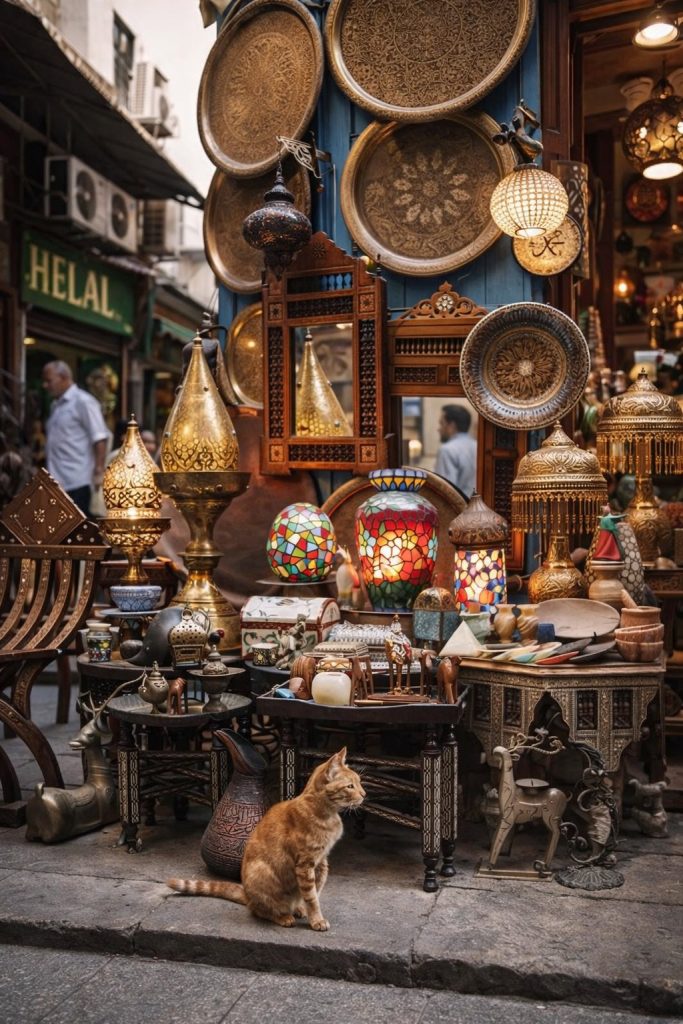
Traditional crafts: Copperware, brass lamps, hand-painted ceramics, and mosaics
Textiles and clothing: Scarves, galabiyas, and traditional Egyptian fabrics
Spices and herbs: Fragrant spices, teas, and incense from local producers
Souvenirs and antiques: Papyrus paintings, miniature pyramids, and culturally inspired gifts
Visitors can also haggle with shopkeepers, which is part of the authentic bazaar experience.
Cafes and Local Cuisine
Khan El-Khalili is famous for its traditional Egyptian cafes, where visitors can relax and enjoy:
Ahwa (coffeehouses) serving Egyptian coffee and tea
Shisha (hookah) lounges
Local delicacies like koshary, falafel, and baklava
Traditional sweets and snacks
One of the most famous cafes in the bazaar is El Fishawy, established in 1773, which has become a cultural landmark visited by tourists from around the world.
Cultural and Historical Significance
Khan El-Khalili is part of Islamic Cairo, a UNESCO World Heritage area
The market has preserved ancient architecture, including narrow alleys, arches, and traditional courtyards
Many shops are multi-generational family businesses, maintaining centuries-old Egyptian craft traditions
Visitors can experience live craftsmanship, like copper engraving, jewelry making, and mosaic art
Opening Hours
Khan El-Khalili is generally open: Daily from 9:00 AM to 11:00 PM
Cafes and restaurants often stay open later
Best visiting time: morning for shopping, evening for cafes and night ambiance
Photography Tips
Capture the vibrant colors of spices and textiles
Photograph historic architecture and narrow alleys
Respect shop owners and locals; always ask before taking close-up photos
Why Visit Khan El-Khalili?
Authentic Egyptian shopping experience
Cultural and historical exploration of Cairo
Unique souvenirs and handmade crafts
Cafes, food, and traditional Egyptian atmosphere
Perfect for tourists, history enthusiasts, and photographers
Located in the heart of Islamic Cairo, Khan el-Khalili is one of the oldest and most famous traditional markets in the Middle East. Established in the 14th century during the Mamluk era, the bazaar has remained a vibrant hub of trade, culture, and daily life for centuries. Visitors can wander through its narrow alleys filled with colorful lanterns, handmade jewelry, spices, perfumes, antiques, and authentic Egyptian souvenirs. The area is also home to historic mosques and traditional cafés, including the legendary El Fishawy Café, where travelers can relax and experience the true atmosphere of old Cairo. A visit to Khan el-Khalili offers a unique blend of history, culture, and unforgettable shopping.
The Grand Egyptian Museum (GEM) is not just a museum — it’s a monumental cultural landmark that represents Egypt’s ancient civilization like never before. Located in Giza, Egypt, just a few kilometers from the Pyramids of Giza, GEM is designed to be the largest museum in the world dedicated to a single civilization and one of the most important archaeological institutions of the 21st century. (Wikipedia)
This extraordinary museum officially opened after more than two decades of planning and construction, symbolizing a bridge between ancient history and modern museology. Its vast collections, cutting‑edge design, and state‑of‑the‑art facilities make it a must‑visit destination for history lovers, families, and travelers from around the globe. (The Guardian)
History and Development
Origins and Construction
The idea of a grand museum to house Egypt’s archaeological treasures was proposed in the early 1990s. Construction officially began in 2005, following an international architectural competition that drew designs from leading firms around the world. (Wikipedia)
Over nearly 20 years, GEM rose on the Giza Plateau with support from the Egyptian government and international partners. The ambitious project was carefully designed to complement — not overshadow — the nearby pyramids. Its location offers a unique backdrop of ancient wonders, enhancing the visitor experience. (Reddit)
Opening and Global Anticipation
After multiple delays due to economic, logistical, and global challenges (including the COVID‑19 pandemic), the museum welcomed its first visitors in 2025. The opening was covered extensively by international media, with dignitaries and experts praising the project as a cultural milestone. (The Guardian)
Architectural Design and Facilities
Innovative Museum Design
GEM’s architecture merges modern design with cultural symbolism. The museum features a striking façade, expansive galleries, and a vast glass‑covered atrium that allows natural light to illuminate the exhibits. Its spatial organization was planned to guide visitors through Egypt’s history chronologically and thematically. (Wikipedia)
The museum occupies a massive complex of hundreds of thousands of square meters, making it one of the most ambitious cultural buildings built in recent history. It includes not only exhibition halls but also spaces for research, education, conservation, and public engagement. (britannica.com)
World‑Class Facilities
The Grand Egyptian Museum is far more than a place to display artifacts. Its facilities include:
A conservation and restoration center equipped with laboratories for preserving delicate antiquities. (Wikipedia)
A conference center, multiple restaurants, and outdoor gardens. (britannica.com)
A 3D theater and educational spaces aimed at engaging visitors of all ages. (britannica.com)
These features make the museum not just a destination for viewing history, but a dynamic cultural hub. (الجزيرة نت)
Collections and Exhibits
Ancient Egypt’s Story from Start to Finish
The GEM houses more than 100,000 artifacts representing all eras of ancient Egyptian history — from the Predynastic Period through to the Roman era. (Wikipedia)
The collection includes masterpieces of art, royal funerary objects, pottery, jewelry, stonework, and everyday items that tell the rich story of ancient Egyptian life.
Tutankhamun and the Royal Treasures
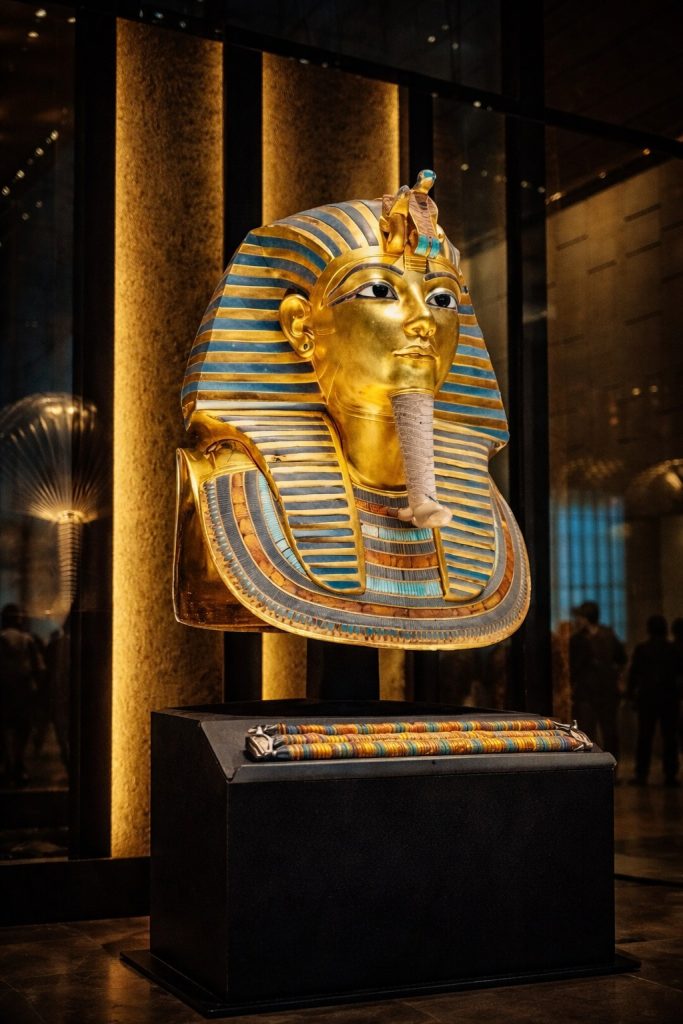
One of the museum’s most anticipated highlights is the complete collection of treasures from the tomb of King Tutankhamun — displayed together for the first time since their discovery in 1922. (الجزيرة نت)
This includes his golden funerary mask, sarcophagus, throne, jewelry, and burial furniture, offering a rare and unforgettable glimpse into the royal burial practices of the New Kingdom. (britannica.com)
The Statue of Ramses II
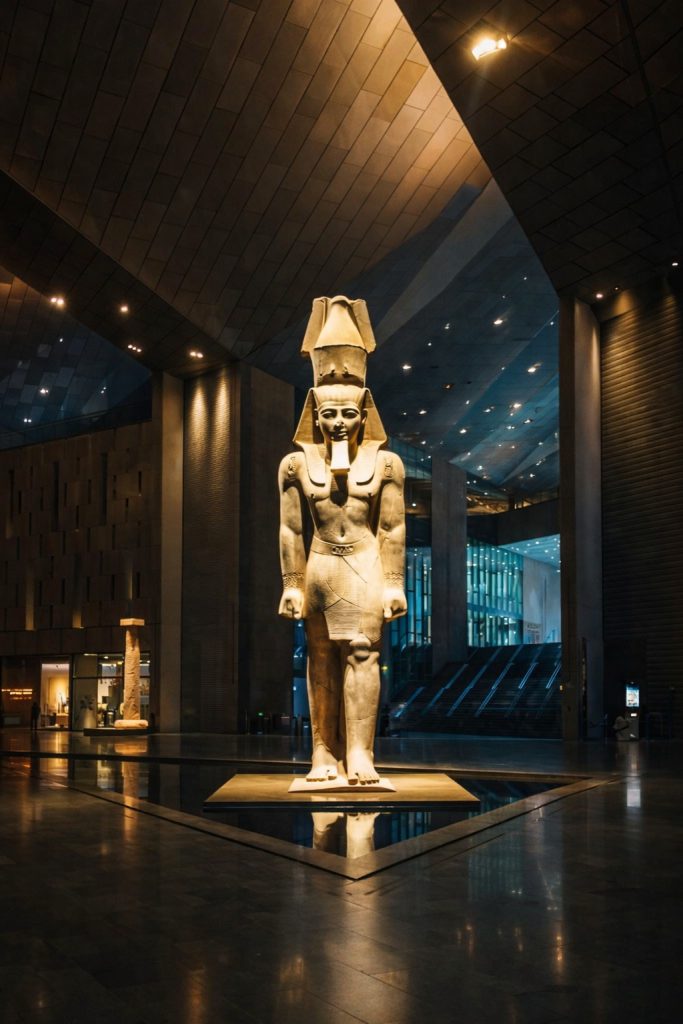
At the heart of the museum’s collection stands a colossal statue of Ramses II, one of ancient Egypt’s most powerful pharaohs. This 83‑ton statue greets visitors in the museum’s grand atrium and serves as a dramatic focal point of GEM’s archaeological narrative. (الجزيرة نت)
Khufu’s Solar Boats
GEM also features a dedicated exhibition for the solar boats of Pharaoh Khufu, believed to be used for the pharaoh’s journey in the afterlife. These boats date back more than 4,500 years and are among the oldest wooden vessels ever discovered. (Grand Egyptian Museum —)
In a fascinating ongoing project, including live reconstruction programs, visitors can witness restoration work firsthand. (AP News)
Galleries and Visitor Experience
The Great Staircase and 12 Main Halls
Inside the museum, the Great Staircase rises through multiple levels, linking the central atrium with the permanent and temporary exhibition halls. (Grand Egyptian Museum —)
The 12 main galleries are organized both chronologically and thematically, allowing visitors to walk through Egyptian history from prehistoric cultures to the Greco‑Roman period. (Grand Egyptian Museum —)
Each hall covers specific themes such as society, religion, monarchy, art, and everyday life, helping visitors appreciate the complexity and richness of ancient Egyptian civilization.
Interactive and Educational Spaces
GEM includes modern interactive spaces — especially in the children’s museum — that combine digital media, storytelling, and hands‑on learning to make ancient history accessible and exciting for younger audiences. (Grand Egyptian Museum —)
This emphasis on education ensures that the museum appeals not only to scholars and tourists but also to families and students.
Cultural and Tourism Impact
A Global Cultural Destination
With its unparalleled collection and location near the Pyramids of Giza, GEM is expected to attract millions of visitors from around the world each year. (britannica.com)
By bringing together artifacts from throughout Egyptian history in one place, the museum reinforces Egypt’s role as a global center for archaeological research and heritage tourism.
Boosting Egypt’s Economy
Government officials have described the museum as a cornerstone of Egypt’s efforts to expand tourism — a vital sector of the economy. It is forecast to help increase tourist numbers significantly over the coming decade. (The Guardian)
Visiting the Grand Egyptian Museum
Location and Access
GEM is located in Giza on the Cairo‑Alexandria Desert Road, just a short distance from the Giza Plateau and its pyramids, making it easy to combine with other major sightseeing stops. (Grand Egyptian Museum —)
Visitors can reach the museum by car, taxi, or potentially future metro extensions, enhancing accessibility for both local and international tourists. (Wikipedia)
What to Expect During Your Visit
Visitors should allow several hours to explore the collections fully, as the museum’s scale and scope are vast. There are cafés, gift shops, and relaxation areas throughout the complex to enhance the experience. (britannica.com)
Guided tours are available in multiple languages and offer valuable insights into the artifacts and their historical contexts. (grandegyptianmuseumticket.com)
Conclusion: A New Era for Egypt’s Heritage
The Grand Egyptian Museum represents a new era in cultural preservation and global heritage presentation. By bringing together some of the most extraordinary artifacts of ancient Egypt under one roof — including the complete treasure of Tutankhamun — GEM offers visitors a once‑in‑a‑lifetime experience that bridges millennia of history. (الجزيرة نت)
Whether you are a student of history, a photographer, a family traveler, or simply someone curious about the ancient world, a visit to GEM is sure to be unforgettable — a journey through time that celebrates human achievement in one of the world’s oldest civilizations.
As the largest archaeological museum in the world, the Grand Egyptian Museum offers visitors an unforgettable journey through ancient Egyptian civilization, showcasing thousands of priceless artifacts in a state-of-the-art setting.
Where Is the Grand Egyptian Museum Located?
The Grand Egyptian Museum is strategically located on the Giza Plateau, just minutes away from the Pyramids of Giza and the Great Sphinx. Its location allows visitors to combine two of Egypt’s most iconic attractions in one unforgettable experience.
What Makes the Grand Egyptian Museum Special?
The Grand Egyptian Museum stands out for its size, design, and unique collections. Unlike traditional museums, GEM presents ancient history using modern technology and immersive storytelling.
Key highlights include:
The complete collection of King Tutankhamun’s treasures, displayed together for the first time
Massive statues, including the Grand Staircase statues
Interactive exhibits and digital displays
Panoramic views of the Giza Pyramids
King Tutankhamun Collection
One of the main reasons travelers visit the Grand Egyptian Museum is the legendary collection of King Tutankhamun. The museum displays thousands of artifacts from the young king’s tomb, offering deep insight into ancient Egyptian royal life, beliefs, and craftsmanship.
This collection alone makes the Grand Egyptian Museum one of the most important museums in the world.
Architecture and Design
The museum’s modern architectural design blends perfectly with Egypt’s ancient heritage. Built with advanced materials and innovative layouts, GEM allows natural light to enhance the exhibits while providing spacious halls for a comfortable visitor experience.
Best Time to Visit the Grand Egyptian Museum
The best time to visit the Grand Egyptian Museum is during the cooler months, from October to April. Morning visits are ideal to avoid crowds and enjoy a relaxed tour experience.
Tips for Visiting the Grand Egyptian Museum
To make the most of your visit:
Plan at least 2–3 hours to explore the museum
Combine your visit with a Giza Pyramids tour
Consider a guided or private tour for deeper historical understanding
Wear comfortable shoes, as the museum is very large
Why Visit the Grand Egyptian Museum with a Guided Tour?
A guided tour of the Grand Egyptian Museum offers:
Expert explanations of ancient artifacts
Organized access to key highlights
A smooth and stress-free experience
Private tours are especially recommended for first-time visitors and travelers seeking a premium experience.
The Grand Egyptian Museum: A Must-See Attraction in Egypt
The Grand Egyptian Museum is more than just a museum—it is a cultural landmark that brings ancient Egypt to life in a modern way. Whether you are a history enthusiast, a first-time traveler, or a luxury traveler, GEM is an essential stop on any Egypt itinerary.
Plan your visit to the Grand Egyptian Museum and discover why it is considered Egypt’s most remarkable new attraction.
A wonderful serenity has taken possession of my entire soul, like these sweet mornings of spring which I enjoy with my whole heart. I am alone, and feel the charm of existence in this spot, which was created for the bliss of souls like mine. I am so happy, my dear friend, so absorbed in the exquisite sense of mere tranquil existence, that I neglect my talents. I should be incapable of drawing a single stroke at the present moment; and yet I feel that I never was a greater artist than now. Read More“Pack wisely before traveling”
A wonderful serenity has taken possession of my entire soul, like these sweet mornings of spring which I enjoy with my whole heart. I am alone, and feel the charm of existence in this spot, which was created for the bliss of souls like mine. I am so happy, my dear friend, so absorbed in the exquisite sense of mere tranquil existence, that I neglect my talents. I should be incapable of drawing a single stroke at the present moment; and yet I feel that I never was a greater artist than now. Read More“Pack wisely before traveling”
To provide the best experiences, we use technologies like cookies to store and/or access device information. Consenting to these technologies will allow us to process data such as browsing behavior or unique IDs on this site. Not consenting or withdrawing consent, may adversely affect certain features and functions.
Functional
Always active
The technical storage or access is strictly necessary for the legitimate purpose of enabling the use of a specific service explicitly requested by the subscriber or user, or for the sole purpose of carrying out the transmission of a communication over an electronic communications network.
Preferences
The technical storage or access is necessary for the legitimate purpose of storing preferences that are not requested by the subscriber or user.
Statistics
The technical storage or access that is used exclusively for statistical purposes.The technical storage or access that is used exclusively for anonymous statistical purposes. Without a subpoena, voluntary compliance on the part of your Internet Service Provider, or additional records from a third party, information stored or retrieved for this purpose alone cannot usually be used to identify you.
Marketing
The technical storage or access is required to create user profiles to send advertising, or to track the user on a website or across several websites for similar marketing purposes.
Blessed Egypt Tours is a leading Egypt travel agency, founded in 2011, specializing in customized tours across Egypt. We offer unforgettable experiences to the Pyramids of Giza, the Nile River, Luxor, Aswan, and the Red Sea.
Our services include private tours, group packages, cultural trips, desert safaris, and fully tailored travel itineraries designed to match every traveler’s needs.
With a strong focus on quality, reliability, and customer satisfaction, we ensure a smooth and memorable journey from arrival to departure.
Blessed Egypt Tours is proudly a subsidiary of Zoya Tours Egypt, a trusted name in the Egyptian tourism industry.