Valley of the Queens in Luxor: A Complete Travel & Historical Guide
The Valley of the Queens is one of the most fascinating archaeological sites in Egypt. Located on the west bank of the Nile in Luxor was the sacred burial ground of royal women, princes, and members of the ancient Egyptian royal family during the New Kingdom period.
While many travelers know about the Valley of the Kings, fewer understand the incredible importance and beauty of the Valley of the Queens. This extraordinary site reveals the power, influence, and spiritual beliefs of ancient Egyptian queens.
The Valley is not just a burial ground — it is a masterpiece of ancient Egyptian art, architecture, and royal symbolism.
What Is the Valley of the Queens?
The Valley of the Queens is an ancient necropolis used primarily during the 18th, 19th, and 20th Dynasties of ancient Egypt. The ancient Egyptians called it “Ta-Set-Neferu,” meaning “The Place of Beauty.”
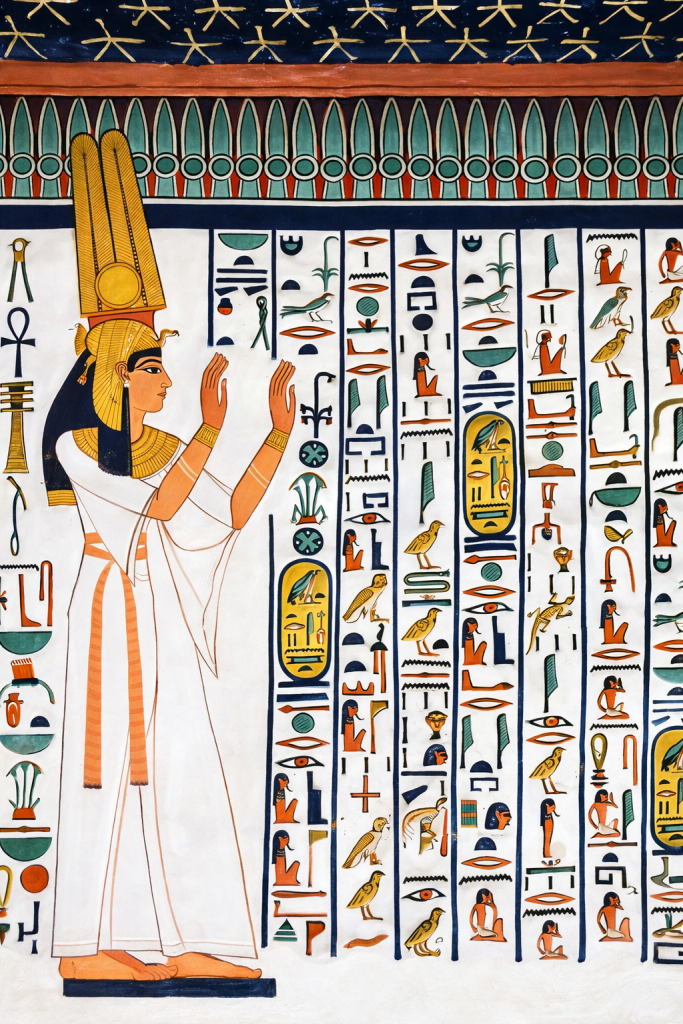
This name perfectly reflects the artistic beauty found inside the tombs of the Valley of the Queens. The walls are decorated with colorful scenes from the Book of the Dead, divine rituals, and representations of gods guiding the queens into the afterlife.
More than 90 tombs have been discovered , although not all are open to visitors.

Location of the Valley
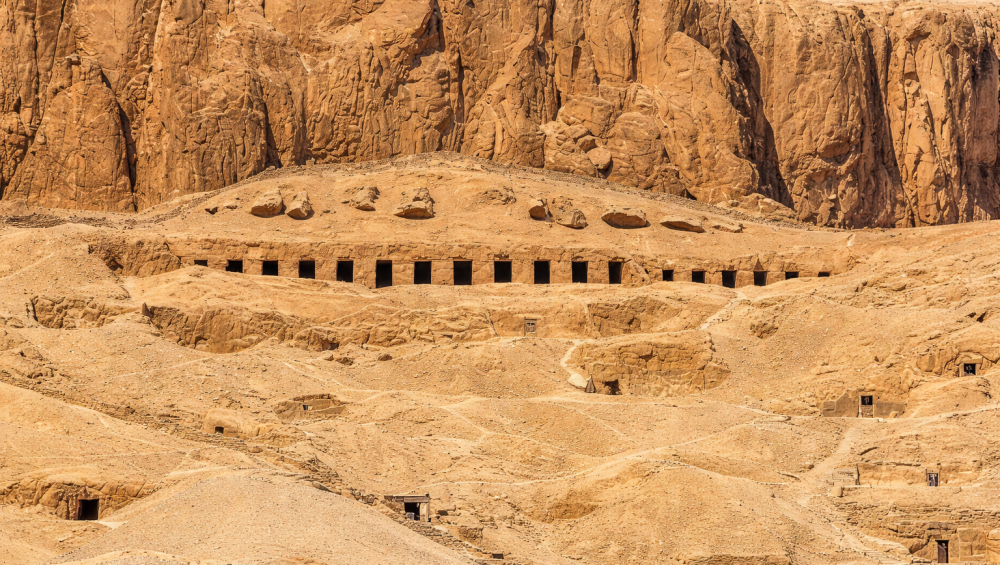
The Valley of the Queens is located near Luxor, on the west bank of the Nile River, close to the ancient city of Thebes.
The west bank of Luxor was associated with death and the afterlife in ancient Egyptian belief. That is why major royal burial sites, including the Valley of the Queens, were built there.
Its desert setting, surrounded by limestone hills, provided natural protection and spiritual symbolism.
Why Was the Valley of the Queens Built?
was created to provide royal women with secure, sacred burial spaces away from the main royal tombs.
Ancient Egyptian queens were not merely wives — many had religious roles, political influence, and divine status. The Valley of the Queens reflects the respect and spiritual importance granted to royal women.
The tombs were carefully carved into the mountains and richly decorated to ensure a safe journey to the afterlife.
Tomb of Queen Nefertari – The Jewel of the Valley
The most famous tomb belongs to Queen Nefertari, the Great Royal Wife of Ramesses II.
Her tomb (QV66) is considered one of the most beautiful tombs in all of Egypt.
Why Is Nefertari’s Tomb So Special?
- Exceptionally preserved colors
- Detailed artistic scenes
- Sacred texts from the Book of the Dead
- Stunning astronomical ceiling
The artistic quality inside this tomb make internationally famous.
Due to preservation efforts, access is limited and requires a special ticket.
Architectural Design of the Valley
The tombs follow a specific architectural pattern:
- Entrance corridor
- Multiple chambers
- Burial chamber
- Decorative painted walls
Unlike massive temples, the tombs focus on interior beauty rather than exterior structure.
The colors inside the Valley of the Queens remain vibrant even after thousands of years.
Religious Symbolism in the Valley
The Valley represents ancient Egyptian beliefs about life after death.
Wall paintings show:
- Goddess Isis
- Goddess Hathor
- God Anubis
- God Osiris
These scenes symbolize protection, rebirth, and eternal life.
The Valley served as a spiritual gateway to immortality.
How Many Tombs Are in the Valley of the Queens?
Archaeologists have discovered over 90 tombs
Not all tombs are decorated, and many were damaged in ancient times by tomb robbers.
However, several tombs remain accessible to visitors and provide extraordinary insight into royal life.
Visiting the Valley of the Queens Today
Today, one of the top tourist attractions in Luxor.
Ticket Information
Visitors can purchase a general entrance ticket, while special tombs like Nefertari’s require additional fees.
Best Time to Visit
- Early morning
- Winter months (October–April)
Travel Tips
- Wear comfortable shoes
- Bring water
- Avoid peak afternoon heat
The Importance of the Valley of the Queens in Egyptian Tourism
The Valley of the Queens plays a significant role in Egypt’s cultural tourism.
Tourists who visit Luxor often combine with other west bank attractions, creating a complete historical experience.
Its artistic value makes it a must-visit destination for history lovers, archaeologists, photographers, and cultural travelers.
Preservation Efforts in the Valley of the Queens
Due to humidity and tourism impact, restoration projects have been implemented to protect the tombs.
International conservation teams work to preserve:
- Wall paintings
- Structural stability
- Climate control inside tombs
These efforts ensure that remains protected for future generations.
Why the Valley of the Queens Should Be on Your Travel List
The Valley of the Queens offers:
- Unique royal history
- Incredible ancient Egyptian art
- Peaceful desert landscapes
- Deep spiritual symbolism
Unlike crowded tourist spots, provides a more intimate and powerful experience.
Conclusion – Discover the Magic of the Valley of the Queens
The Valley of the Queens is one of Egypt’s hidden treasures.
It tells the story of powerful queens, sacred beliefs, and artistic excellence.
If you are planning a trip to Luxor, deserves a top place on your itinerary.
Exploring means walking through history, art, and eternity.
To learn more about the Valley of the Queens, its history, and how to plan your visit, you can check out this comprehensive guide from Britannica at https://www.britannica.com/place/Valley-of-the-Queens,