7 Astonishing Secrets of Medinet Habu: The Powerful Temple Fortress of Ramses III


Medinet Habu – The Magnificent Temple Fortress of Ancient Egypt

one of the most astonishing and powerful archaeological sites in Luxor, Egypt. While many tourists rush to Karnak or the Valley of the Kings, remains a hidden treasure filled with dramatic history, extraordinary architecture, and breathtaking carvings.

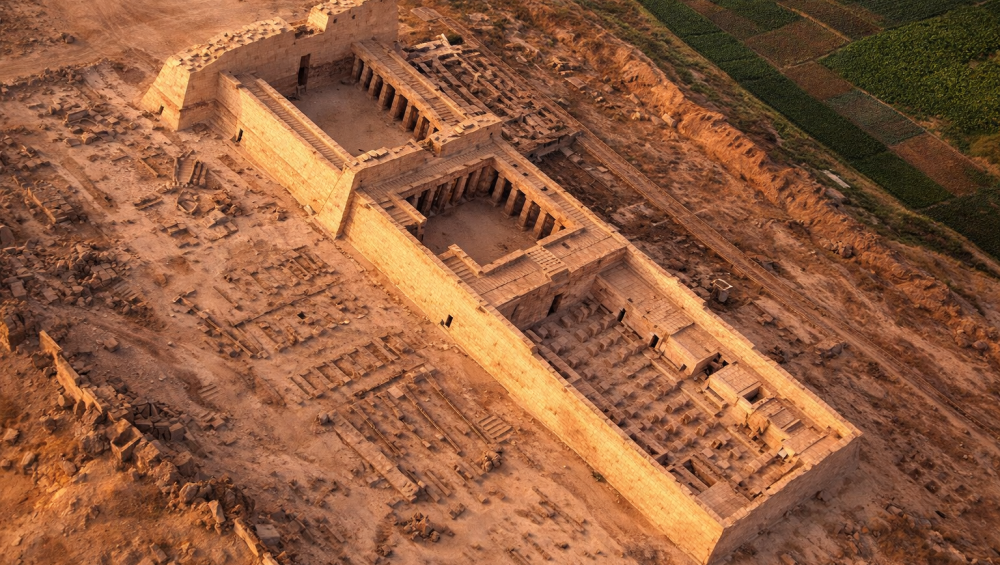
Located on the West Bank of Luxor, Medinet Habu is best known as the Mortuary Temple of Ramses III, one of the most powerful pharaohs of the New Kingdom. However, is more than just a temple — it is a fortified religious complex that tells the story of war, faith, power, and survival.

From massive pylons to detailed battle reliefs, stands today as one of the best-preserved temples in Egypt. Every wall speaks. Every carving tells a story. Every courtyard reflects royal strength.

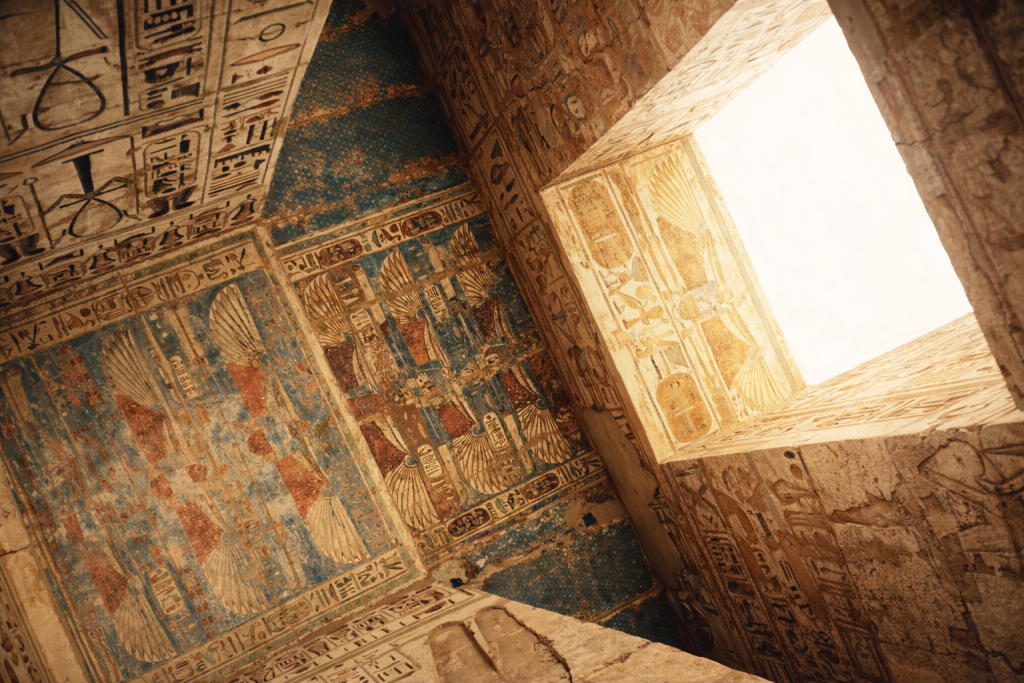
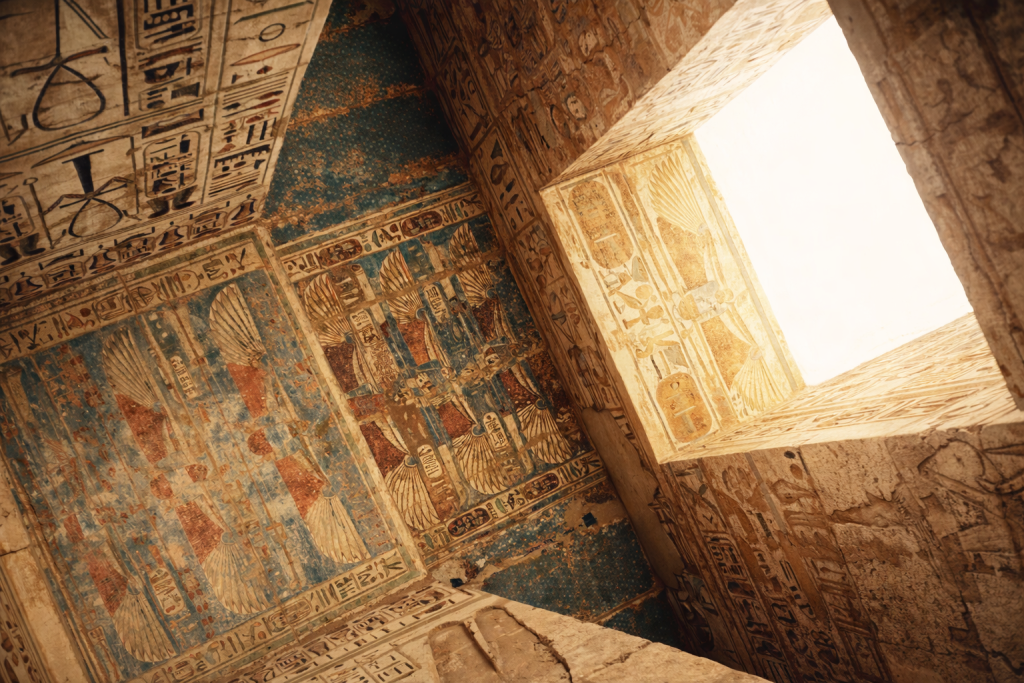
Medinet Habu temple in Luxor West Bank

Where is Medinet Habu Located?

is located on the West Bank of Luxor, near:

  • The Valley of the Kings
  • The Valley of the Queens
  • Deir el-Medina
  • The Colossi of Memnon

This strategic location made an essential religious and political center during the New Kingdom.

The West Bank of Luxor was considered the land of the dead in ancient Egyptian belief, which makes Medinet Habu perfectly placed as a mortuary temple.


The Historical Importance of Medinet Habu

Built by Ramses III

was constructed during the reign of Ramses III (1186–1155 BC). He was one of the last great warrior pharaohs of ancient Egypt.

The temple was designed to:

  • Honor the god Amun
  • Celebrate military victories
  • Serve as a mortuary temple for Ramses III
  • Protect the king spiritually in the afterlife

was not just religious — it was political propaganda carved in stone.


The Battle Against the Sea Peoples

One of the most extraordinary features of Medinet Habu is the detailed relief showing Ramses III defeating the Sea Peoples.

These reliefs are considered one of the most important historical records of ancient warfare. They show:

  • Naval battles
  • Prisoners of war
  • Foreign enemies
  • Egyptian military power

historians would know far less about this critical moment in ancient history.


Architecture of Medinet Habu – A Temple Like a Fortress

is unique because it looks like a military fortress.

Massive Pylons

The entrance to Medinet Habu is marked by enormous pylons decorated with battle scenes. The size alone makes visitors feel small — exactly how ancient Egyptians were meant to feel.

The First Courtyard

the first courtyard includes colossal statues of Ramses III. These statues show him in traditional pharaonic poses, symbolizing eternal strength.

The Second Courtyard

The second courtyard is surrounded by columns and reliefs showing religious ceremonies and offerings to the gods.

Hypostyle Hall

The hypostyle hall of Medinet Habu features towering columns covered in colorful carvings. Traces of original paint still survive today, making one of the most visually impressive temples in Egypt.


Why Medinet Habu is One of the Best-Preserved Temples in Egypt

Unlike many other ancient Egyptian temples, remains remarkably intact.

Reasons include:

  • Its fortress-like design
  • Thick protective walls
  • Less exposure to flooding
  • Less tourist pressure compared to Karnak

Because of this, offers visitors a more authentic and peaceful experience.


Religious Significance of Medinet Habu

was dedicated primarily to:

  • Amun
  • Mut
  • Khonsu

The temple was an active religious center long after Ramses III died. Priests continued rituals for centuries.

The site was not abandoned quickly — it evolved over time, even being used during the Coptic Christian period.


Medinet Habu During the Coptic Period

Interestingly, was later used as a Coptic Christian settlement.

Some temple walls show evidence of Christian crosses carved into ancient stone. This unique layering of history makes even more fascinating.

Few sites in Egypt show such a clear transition between ancient Egyptian religion and early Christianity.


Visiting Medinet Habu Today

If you’re planning a trip to Luxor, should absolutely be on your itinerary.

Best Time to Visit

  • Early morning (less heat)
  • Late afternoon (golden lighting for photos)

Entry Ticket

is included in Luxor West Bank tour routes and is affordable compared to major attractions.

Photography Tips

is perfect for photography because:

  • Wide open courtyards
  • Detailed carvings
  • Less crowded spaces
  • Strong architectural lines

Medinet Habu vs Karnak Temple

Many travelers ask: Is Medinet Habu worth visiting if I already visited Karnak?

The answer is absolutely yes.

FeatureMedinet HabuKarnak
CrowdsLowHigh
PreservationExcellentPartial
Battle ReliefsDetailedLimited
AtmospherePeacefulBusy

offers intimacy and clarity that larger temples cannot.


Hidden Secrets of Medinet Habu

hides fascinating secrets, including:

  • Detailed economic records carved in stone
  • Royal palace remains attached to the temple
  • Storage rooms and priest quarters
  • Defensive towers

This was not just a temple — it was a living complex.


Why Medinet Habu is Perfect for Cultural Tourism

For travelers seeking:

  • Authentic experience
  • Deep historical insight
  • Fewer crowds
  • Incredible photography
  • is the perfect destination.

It combines religion, politics, architecture, and military history in one powerful location.


Travel Tips for Exploring Medinet Habu

  • Wear comfortable shoes
  • Bring water
  • Hire a local guide for deeper understanding
  • Allocate at least 1–2 hours

Rushing means missing its deeper meaning.


Final Thoughts – Why Medinet Habu Deserves More Attention

is one of Egypt’s most powerful yet underrated archaeological treasures.

It stands as:

  • A monument to Ramses III
  • A military record
  • A religious center
  • A fortress
  • A symbol of endurance

If you want to experience ancient Egypt without overwhelming crowds, Medinet Habu is your answer.

It is bold.
It is dramatic.
It is unforgettable.

And once you walk through its massive pylons, you will understand why Medinet Habu is one of the greatest surviving monuments of the New Kingdom.


10 Amazing Facts About the Aswan High Dam That Will Blow Your Mind


The Aswan High Dam: Egypt’s Engineering Marvel

The Aswan High Dam, located in southern Egypt near the city of Aswan, is one of the most significant engineering achievements of the 20th century. Completed in 1970, it transformed the Nile River’s flow, reshaped Egypt’s agriculture, and provided hydroelectric power that fueled modernization. This article explores the history, design, impact, and tourist significance of this iconic structure.


History and Construction of the Aswan High Dam

Why the Dam Was Built

Before the construction of the Aswan High Dam, Egypt faced regular flooding, droughts, and limitations in irrigation. The dam was designed to control the Nile’s annual floods, store water for dry periods, and generate electricity for Egypt’s growing population and industry.

The Construction Timeline

Construction of the Aswan High Dam began in 1960 and finished in 1970. The project was an ambitious international effort, mainly supported by the Soviet Union. Engineers and workers faced challenges such as relocating Nubian communities, preserving archaeological sites, and dealing with the immense scale of the Nile’s flow.


Engineering Marvels of the Aswan High Dam

Design and Dimensions

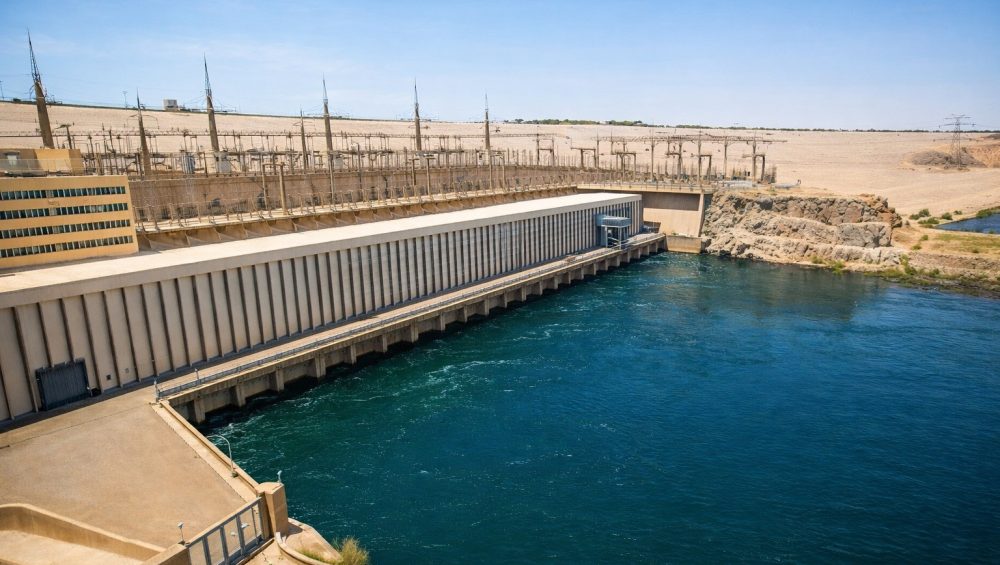
The Aswan High Dam is 3,830 meters long, 980 meters wide at the base, and 111 meters high. It can hold up to 132 billion cubic meters of water in its reservoir, Lake Nasser. This makes it one of the largest dams in the world. Its construction includes concrete and rock-fill structures designed to withstand immense pressure.

Hydroelectric Power Generation

The dam’s power plant generates over 2,100 megawatts of electricity, supplying a significant portion of Egypt’s energy needs. Hydroelectricity from the dam supports industry, urban growth, and modern agriculture, reducing reliance on fossil fuels.


Economic and Agricultural Impact

Revolutionizing Agriculture

With regulated water flow, Egypt’s farmers can now cultivate multiple crops per year. The dam provides irrigation for millions of acres, increasing crop yields and supporting food security. Crops such as cotton, wheat, and rice flourish due to reliable water supply.

Boosting the Economy

Electricity from the Aswan High Dam powers industries, factories, and cities. It has contributed to Egypt’s economic growth by supporting manufacturing, mining, and infrastructure projects. Additionally, the creation of Lake Nasser encouraged fishing and freshwater aquaculture.


Environmental and Social Impacts

Positive Effects

The dam has reduced devastating annual floods, improved water management, and created Lake Nasser, one of the largest artificial lakes in the world. Lake Nasser also supports tourism and fishing industries.

Challenges and Controversies

The construction of the Aswan High Dam led to the relocation of over 100,000 Nubian residents. Archaeological treasures, including temples, had to be moved to higher ground. Additionally, changes in the Nile’s ecosystem have affected fish populations and soil fertility in certain areas.

Aswan High Dam

Tourism at the Aswan High Dam

Visiting the Dam

The Aswan High Dam is a top tourist attraction. Visitors can view the enormous structure, learn about its history, and enjoy panoramic views of Lake Nasser. Guided tours often include visits to the nearby Philae Temple and other Nubian heritage sites.

Activities Around Lake Nasser

Lake Nasser offers boat trips, fishing, and scenic views. Tourists can explore the desert landscapes and ancient temples relocated during the dam’s construction, making it a rich cultural and natural experience.


Future of the Aswan High Dam

The Aswan High Dam continues to be crucial for Egypt’s development. Modernization efforts focus on improving energy efficiency, maintaining structural safety, and enhancing water management systems. Researchers and engineers monitor the dam to ensure it continues to meet Egypt’s growing energy and irrigation needs.


Conclusion: Why the Aswan High Dam Matters

The Aswan High Dam is more than just a dam—it is a symbol of Egypt’s modern progress, engineering excellence, and resilience. From controlling the mighty Nile to powering cities and supporting agriculture, it continues to shape the lives of millions. Visiting the dam offers insight into the balance between human innovation, environmental impact, and cultural preservation.


7 Astonishing Secrets of the Unfinished Obelisk in Aswan: A Powerful Story Carved in Stone


The Unfinished Obelisk in Aswan – Egypt’s Giant That Never Stood

The Unfinished Obelisk in Aswan is one of the most fascinating archaeological wonders in Egypt. Unlike other towering obelisks that stand proudly in temples and cities across the world, this massive granite monument never left the bedrock. It remains exactly where ancient workers carved it thousands of years ago.

Located in the ancient granite quarries of Aswan, this colossal structure gives us a rare and powerful glimpse into how the ancient Egyptians built their monumental masterpieces. The Unfinished Obelisk is not just a broken monument — it is a frozen moment in history, a living workshop that reveals secrets of engineering, ambition, and unexpected failure.


Where Is the Unfinished Obelisk Located?

The Unfinished Obelisk lies in the northern quarries of Aswan, southern Egypt. Aswan was famous in ancient times for its high-quality red granite, which was used to build temples, statues, pyramids, and obelisks throughout Egypt.

The site today is an open-air museum that allows visitors to walk around the massive stone and see the tool marks left behind by ancient workers. Unlike other monuments that were transported to temples like Karnak or Luxor, this obelisk never left the quarry.


What Is the Unfinished Obelisk?

The Unfinished Obelisk is the largest known ancient obelisk ever attempted. If completed, it would have measured approximately:

  • 42 meters long (around 137 feet)
  • 1,200 tons in weight

To put that into perspective, it would have been larger than any obelisk standing in Egypt today. Its size alone demonstrates the extraordinary ambition of ancient Egyptian architects.

The Unfinished Obelisk in Aswan

Who Ordered the Unfinished Obelisk?

Most historians believe the obelisk was commissioned during the reign of Queen Hatshepsut in the 18th Dynasty (around 1470 BCE). Hatshepsut was one of the most powerful female pharaohs in Egyptian history.

She is known for constructing magnificent monuments, including obelisks at Karnak Temple. The Unfinished Obelisk may have been intended for that sacred temple complex.


Why Was the Obelisk Left Unfinished?

The Critical Crack That Changed History

The most dramatic feature of the Unfinished Obelisk is the massive crack running through its body. While carving it out of the bedrock, workers discovered a structural flaw in the granite.

This crack made the obelisk unstable. If completed and transported, it could have shattered under its own immense weight. Rather than risk catastrophe, the workers abandoned it.

A Rare Glimpse Into Ancient Failure

Ancient Egyptian monuments often represent perfection and power. The Unfinished Obelisk, however, reveals something different — a moment of human limitation.

It shows us that even the greatest civilizations faced engineering challenges and setbacks.


How Did Ancient Egyptians Carve the Obelisk?

Using Dolerite Hammerstones

One of the most astonishing facts about the Unfinished Obelisk is how it was carved. The ancient Egyptians used dolerite hammerstones — extremely hard stones — to pound and shape the granite.

Visitors can still see hundreds of pounding marks on the surface today.

Carving From the Top Down

The obelisk was carved directly out of solid bedrock. Workers first outlined its shape, then chiseled around it, slowly separating it from the surrounding stone.

The bottom was the final section to be detached. Unfortunately, the crack was discovered before that step could be completed.


The Engineering Marvel Behind Ancient Obelisks

The Unfinished Obelisk helps historians understand how other obelisks across Egypt were created and transported.

After carving, obelisks would have been:

  1. Lifted using ramps and wooden sledges
  2. Transported to the Nile River
  3. Floated on large barges
  4. Erected at temple entrances

The logistics required were extraordinary. Moving a 1,000+ ton stone without modern machinery remains one of history’s greatest engineering achievements.


The Symbolism of Obelisks in Ancient Egypt

Obelisks were not just decorative monuments. They had deep religious and political meaning.

  • They symbolized the sun god Ra
  • They represented a ray of sunlight turned into stone
  • They demonstrated the pharaoh’s divine power

Placed at temple entrances, obelisks reinforced the connection between the ruler and the gods.

The Unfinished Obelisk in Aswan

Visiting the Unfinished Obelisk Today

Today, the Unfinished Obelisk site is one of Aswan’s top attractions.

Visitors can:

  • Walk around the giant stone
  • See the crack that stopped construction
  • Observe ancient tool marks
  • Learn about quarrying techniques

The site offers a unique educational experience because it shows the “behind-the-scenes” process of ancient construction.


Why the Unfinished Obelisk Is So Important for Archaeology

The Unfinished Obelisk is not just a failed monument — it is a priceless archaeological laboratory.

It teaches us:

  • How granite was quarried
  • What tools were used
  • How ancient labor was organized
  • How engineers responded to structural issues

Without this site, much of our knowledge about obelisk construction would remain theoretical.


Comparing the Unfinished Obelisk to Other Egyptian Obelisks

Many completed obelisks were transported across the world.

Some now stand in:

  • Rome
  • Paris
  • London
  • Istanbul

However, none are as large as the Unfinished Obelisk would have been. Its size makes it a symbol of extraordinary ambition.


Photography and Travel Tips

If you are planning to visit:

  • Go early morning to avoid heat
  • Wear comfortable shoes
  • Bring water
  • Combine it with Philae Temple or Nubian Museum

The lighting in the morning makes the granite glow beautifully, offering stunning photography opportunities.


The Legacy of the Unfinished Obelisk

The Unfinished Obelisk reminds us that history is not only about success. It is also about effort, risk, and human ambition.

Its silent presence in the quarry tells a powerful story:

Even the greatest civilizations sometimes stop mid-dream.

And in that pause, we learn the most.


The Unfinished Obelisk in Aswan stands as one of the most extraordinary archaeological discoveries in Egypt, offering a rare and powerful insight into ancient Egyptian engineering.

Unlike other obelisks that were successfully transported and erected in grand temples, the Unfinished Obelisk in Aswan remains embedded in the granite quarry where it was carved more than 3,000 years ago. Its massive size and visible crack reveal both the ambition and challenges faced by ancient builders.

Today, the Unfinished Obelisk in Aswan serves as an open-air museum, allowing visitors to witness the original tool marks and understand how these monumental structures were created with remarkable precision and skill.

The Unfinished Obelisk in Aswan stands as one of the most extraordinary archaeological discoveries in Egypt, offering a rare and powerful insight into ancient Egyptian engineering.


The Unfinished Obelisk in Aswan is more than just a massive block of stone; it is a silent witness to the brilliance and ambition of ancient Egypt.

If completed, the Unfinished Obelisk in Aswan would have been the largest obelisk ever erected, weighing over a thousand tons.

The visible crack that stopped its construction transformed it from a royal monument into one of the most valuable archaeological classrooms in the world.

Through the Unfinished Obelisk in Aswan, historians and visitors alike can clearly understand the quarrying techniques, labor organization, and engineering strategies that shaped Egypt’s most iconic monuments.

The Unfinished Obelisk in Aswan remains one of the most fascinating monuments in Egypt, capturing the attention of historians and travelers from around the world.

The Unfinished Obelisk in Aswan was carved directly from solid granite, revealing the incredible strength and precision of ancient Egyptian workers.

What makes the Unfinished Obelisk in Aswan truly remarkable is the massive crack that forced its abandonment, turning the site into a rare archaeological treasure.

Today, the Unfinished Obelisk in Aswan allows visitors to explore ancient tool marks and quarrying techniques up close.

By studying the Unfinished Obelisk in Aswan, researchers have gained valuable insight into how Egypt’s most iconic obelisks were designed, shaped, and prepared for transport.

The story of the Unfinished Obelisk in Aswan continues to inspire awe,

5 Amazing Reasons to Visit Kitchener’s Island Aswan – Your Ultimate Nile Escape

Why Kitchener’s Island Aswan Is a Must-Visit

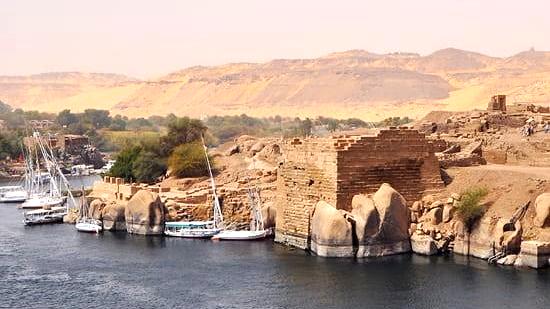
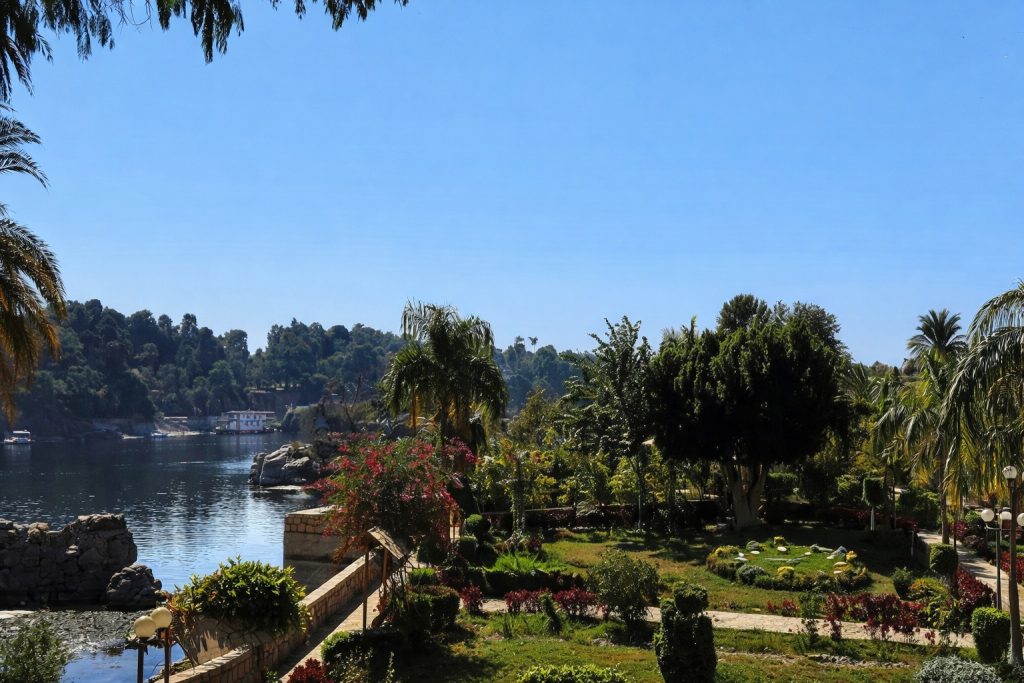
is one of the most stunning natural attractions in Aswan. Nestled in the Nile River, this island combines lush greenery, exotic plants, and peaceful walking paths. For travelers seeking a serene escape from the desert landscapes of Upper Egypt, offers the perfect retreat.

Known also as the Aswan Botanical Garden, this island is ideal for nature lovers, photographers, families, and anyone exploring the scenic side of Aswan.


1. The Rich History of Kitchener’s Island Aswan

Who Was Lord Kitchener?

The island was named after Horatio Kitchener, a British military officer who transformed it into a botanical paradise in the late 19th century.

How the Island Became a Botanical Garden

Lord Kitchener imported rare plants and trees from across the world, including India, Africa, and South America. He designed shaded paths, flower gardens, and tropical sections, creating a green sanctuary that still amazes visitors today.


2. Where Is Located?

lies in the Nile River, close to central Aswan and near:

  • Elephantine Island
  • Nubian Museum
  • Philae Temple

Its central location makes it easy to combine with other Aswan sightseeing destinations.

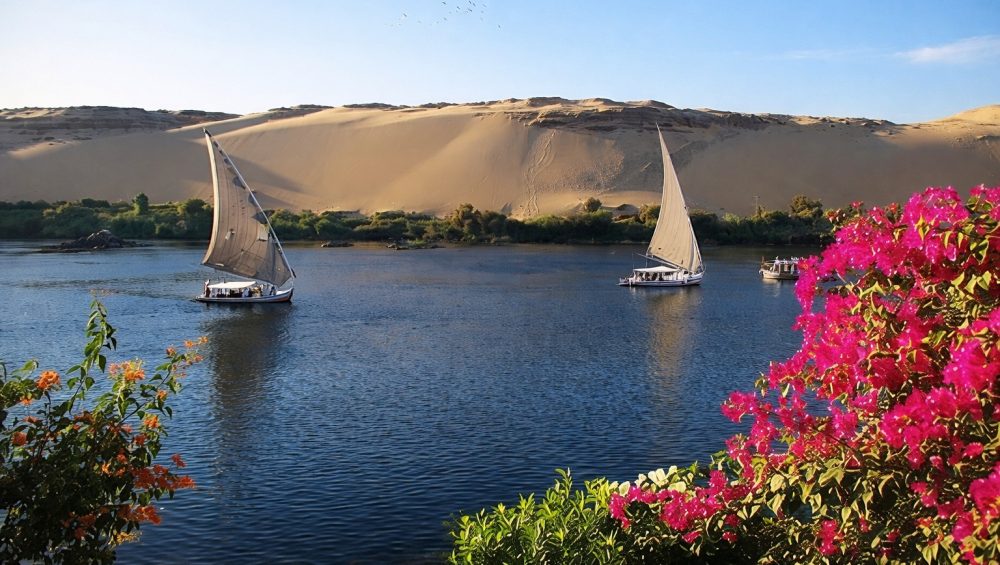
Kitchener’s Island Aswan

3. How to Reach Kitchener’s Island Aswan

By Traditional Felucca

Visitors can reach the island using a traditional felucca boat. The 10–15 minute ride across the Nile is scenic and peaceful.

By Motorboat

Motorboats from the Corniche in Aswan offer a faster alternative. Both options provide an introduction to the natural beauty surrounding the island.


3 Amazing Features

1. Exotic Plant Collection

The island hosts hundreds of rare plants, including royal palms, tropical flowers, and medicinal species.

2. Panoramic Nile Views

From visitors enjoy breathtaking views of:

  • Golden desert mountains
  • Nubian villages
  • Sailing feluccas

3. Peaceful Walking Paths

Wide shaded avenues and quiet corners make the island ideal for walking, relaxing, or enjoying photography opportunities.


4. Best Time to Visit

The most comfortable months are from October to April, when Aswan’s temperatures are mild. Early morning visits offer the best light for photography and a cooler stroll along the shaded paths.


5. Tips for Visiting

  • Wear sunscreen and a hat
  • Bring water and snacks
  • Wear comfortable shoes
  • Respect plant life and do not litter

Following these tips ensures a safe and enjoyable experience


Conclusion: Why Should Be on Your Travel List

is more than a botanical garden — it is a green sanctuary in the middle of the Nile. With its exotic plant collection, historical background, and breathtaking scenery, it is a must-visit attraction for anyone traveling to Upper Egypt.

If you are looking for tranquility, stunning photography spots, and a natural escape, is the ultimate destination.

Visiting is not only about exploring rare plants and shaded paths — it is about experiencing a slice of history and nature together. As you walk along the serene avenues, you can feel the legacy of Lord Kitchener, who carefully designed the island to blend scientific curiosity with natural beauty.

Every corner tells a story: the exotic palms remind visitors of distant lands, while the vibrant flower beds create a colorful contrast against the deep blue Nile. Families can enjoy picnics near the riverbank, photographers can capture stunning panoramic views, and nature lovers can discover the diverse species that have thrived on the island for over a century.

The peaceful environment offers a break from the bustling city of Aswan, providing a calm retreat that combines learning, relaxation, and adventure. Whether you are traveling solo, with friends, or with children, promises a memorable experience that highlights the unique charm of Egypt’s southern region.

This island is not just a stop on a travel itinerary; it is a destination that encourages visitors to slow down, appreciate natural beauty, and connect with history in a meaningful way.

 Island


Incredible Secrets of Kalabsha Temple in Aswan That Will Amaze Every Traveler 10


Kalabsha Temple – The Hidden Nubian Masterpiece on Lake Nasser

Introduction to Kalabsha Temple

If you are searching for a unique and less crowded archaeological site in Upper Egypt, Kalabsha Temple is one of the most impressive ancient monuments you should never miss. Located near Aswan and beautifully positioned on the shores of Lake Nasser, this extraordinary temple represents a fascinating blend of Egyptian and Roman architecture.

Kalabsha Temple is the largest free-standing temple in Nubia after Abu Simbel. It was originally built during the Roman period but reflects deep Egyptian religious traditions. Today, it stands as a powerful symbol of heritage preservation, history, and cultural survival.

Unlike many famous temples in Egypt, Kalabsha Temple offers a peaceful experience away from mass tourism. Visitors can explore massive sandstone walls, detailed carvings, and breathtaking views over Lake Nasser.


Where Is Kalabsha Temple Located?

Kalabsha Temple is located about 50 kilometers south of Aswan, near the High Dam, on the western shore of Lake Nasser.

It originally stood in Lower Nubia but was relocated in the 1960s after the construction of the Aswan High Dam. Thanks to an international UNESCO rescue campaign, the temple was dismantled and reconstructed at its current site.

Nearby attractions include:

  • Aswan High Dam
  • Lake Nasser
  • Temple of Philae

This location makes Kalabsha Temple part of a broader Nubian cultural landscape that tells the story of ancient civilizations and modern engineering achievements.


The History of Kalabsha Temple

Construction During the Roman Period

Kalabsha Temple was built during the reign of Roman Emperor Augustus around 30 BCE. It was dedicated to the Nubian god Mandulis, a solar deity worshipped in Lower Nubia.

Although constructed under Roman authority, the temple follows traditional Egyptian architectural design. This reflects how Roman rulers respected local religious traditions in order to maintain political stability in Egypt.

The UNESCO Rescue Campaign

When the Aswan High Dam was constructed in the 1960s, many Nubian monuments were threatened by flooding. Under the leadership of UNESCO, an international rescue mission saved several temples.

Kalabsha Temple was carefully dismantled stone by stone and rebuilt on higher ground near Lake Nasser. This effort is considered one of the greatest archaeological rescue operations in history.


Who Was Mandulis?

Mandulis was a Nubian sun god worshipped mainly in Lower Nubia. He was often depicted wearing a crown of feathers and horns, combining Egyptian and African elements.

The temple inscriptions show Mandulis in association with Egyptian gods such as:

  • Horus
  • Isis
  • Osiris

This blending of cultures highlights the religious harmony between Egyptian and Nubian beliefs during the Roman era.


Kalabsha Temple

Architectural Design of Kalabsha Temple

Kalabsha Temple is a remarkable example of classical Egyptian temple layout combined with Roman artistic influence.

The Pylon

The entrance is marked by a massive sandstone pylon decorated with reliefs showing the emperor making offerings to Mandulis. The carvings remain well preserved, showcasing fine details and hieroglyphic inscriptions.

The Courtyard

Beyond the pylon lies an open courtyard surrounded by columns. The spacious design allows natural light to illuminate the structure, creating a dramatic atmosphere.

The Hypostyle Hall

The hypostyle hall features columns with floral capitals. Reliefs depict religious rituals and scenes of worship. The craftsmanship demonstrates high-level stone carving techniques.

The Sanctuary

The inner sanctuary once housed the sacred statue of Mandulis. This sacred space was restricted to priests and represented the spiritual heart of the temple.


Artistic Details and Inscriptions

Kalabsha Temple contains inscriptions written in hieroglyphs and Greek. Some of the inscriptions provide valuable historical information about Roman administration in Nubia.

The relief scenes show:

  • Offerings to Mandulis
  • Ritual ceremonies
  • Roman imperial imagery

These carvings help historians understand political and religious dynamics in Roman Egypt.


Why Kalabsha Temple Is Unique

Kalabsha Temple stands out for several reasons:

  1. It is the largest Nubian temple relocated during the UNESCO campaign.
  2. It reflects Roman-Egyptian architectural fusion.
  3. It offers panoramic views over Lake Nasser.
  4. It remains less crowded compared to Abu Simbel.

Unlike Abu Simbel, Kalabsha Temple provides a quiet and immersive experience.


Visiting Kalabsha Temple

How to Get There

Visitors can reach Kalabsha Temple by boat from Aswan or by car through the High Dam road.

Best Time to Visit

The best time to visit is between October and April when temperatures are mild. Early morning visits provide the best lighting for photography.

Tickets and Opening Hours

The temple is usually open daily during official tourism hours. It is recommended to check updated ticket prices through official Egyptian tourism sources before visiting.


Nearby Nubian Monuments

is part of a larger archaeological complex that includes:

  • Beit el-Wali
  • Kiosk of Qertassi

These smaller temples add depth to the historical experience and are often included in the same visit.


Cultural Importance of Kalabsha Temple

represents more than ancient architecture. It symbolizes:

  • International cooperation
  • Cultural preservation
  • Egyptian-Nubian heritage
  • Roman political adaptation

The relocation project demonstrates how global efforts can protect world heritage sites from environmental threats.


Photography

The temple’s golden sandstone contrasts beautifully with the blue waters of Lake Nasser. Sunset photography here creates dramatic shadows on the walls.

Professional photographers often choose Kalabsha Temple for:

  • Architectural photography
  • Cultural documentation
  • Landscape shots

The calm surroundings make it ideal for travel bloggers and tourism websites.


Why Should Be on Your Travel List

If you are planning a trip to Aswan, Kalabsha Temple deserves a spot on your itinerary. It combines:

  • Ancient history
  • Roman heritage
  • Nubian culture
  • Scenic beauty
  • Peaceful atmosphere

For travelers seeking authentic Egyptian experiences away from crowded tourist routes, Kalabsha Temple offers a hidden treasure waiting to be explored.


Conclusion

is one of Egypt’s most underrated archaeological wonders. Built during the Roman era and dedicated to the Nubian god Mandulis, it reflects a unique cultural fusion between Egyptian, Nubian, and Roman civilizations.

Saved from flooding through an international UNESCO campaign, the temple stands today as a symbol of heritage preservation and historical resilience. With its impressive sandstone architecture, detailed reliefs, and stunning location overlooking Lake Nasser, Kalabsha Temple offers visitors a memorable and educational journey through time.

For history lovers, photographers, and cultural travelers, Kalabsha Temple is not just a monument—it is a living story carved in stone.


15 Unforgettable Experiences at the Nubian Museum in Aswan: Egypt’s Cultural Masterpiece


Introduction: A Cultural Treasure in Southern Egypt

The Nubian Museum in Aswan stands as one of Egypt’s most important cultural and historical institutions, celebrating the ancient heritage and rich traditions of the Nubian people. Located on a scenic terrace overlooking the Nile River in Aswan, this museum tells a compelling story of centuries of Nubian civilization, its art, daily life, architecture, and spiritual beliefs. Visitors to the Nubian Museum in Aswan experience not only archaeological discoveries but also an inspiring journey into Africa’s deep historical roots. The museum’s comprehensive exhibits, interactive displays, and extensive artifact collections make it a must‑visit destination for historians, tourists, students, and culture enthusiasts from around the world.


History of the Nubian Museum in Aswan

Origins and Vision

The Nubian Museum in Aswan was established as part of a national effort to preserve the cultural legacy of Nubia following the construction of the Aswan High Dam, which resulted in the relocation of several ancient sites. Its foundation was driven by a collaboration between the Egyptian government and international organizations, with the goal of safeguarding Nubian heritage before it was lost to rising water levels of Lake Nasser.

Designed to be more than a typical museum, the Nubian Museum in Aswan was conceived as a cultural bridge connecting ancient Nubian traditions with the broader narrative of Egyptian and African history. It reflects Nubia’s historical connections to ancient Egyptian civilization, trade routes, and the strategic importance of the Nile Valley through millennia.

Opening and Development

The museum officially opened its doors in the late 1990s, marking a significant moment in Egypt’s cultural landscape. Over time, it grew into a comprehensive institution that documents Nubian history from prehistory to the present day. The architectural design of the museum blends modern aesthetics with Nubian elements, creating a space that is both educational and emotionally engaging.


Key Exhibits and Galleries

Ancient Artifacts and Monumental Collection

One of the most compelling aspects of the Nubian Museum in Aswan is its extensive collection of ancient artifacts recovered from excavations across Nubia. These objects provide an invaluable glimpse into daily life, artistic expression, religious practices, and royal traditions of Nubian civilizations that thrived along the Nile.

Visitors can admire items such as:

  • Pottery and ceramics decorated with Nubian motifs
  • Jewelry and personal adornments showcasing metallurgy skills
  • Tools and everyday objects used by Nubian families
  • Ceremonial masks and religious artifacts used in sacred rituals

These displays highlight the advanced craftsmanship and cultural sophistication of Nubian societies long before the rise of many classical civilizations.

Nubian Museum in Aswan

Galleries Dedicated to Kingdoms and Dynasties

The Nubian Museum in Aswan arranges its exhibits chronologically to guide visitors through the major historical phases of Nubian history. This includes displays related to:

  • Kerma Culture (circa 2500–1500 BCE) – one of the earliest complex societies in Nubia
  • Napatan and Meroitic Kingdoms (circa 800 BCE–350 CE) – periods of strong political power and unique artistic styles
  • Influence of ancient Egypt and Kushite rulership – including the era when Nubian kings ruled parts of Egypt during the 25th Dynasty

Each gallery offers contextual information, vivid visuals, and rarely seen artifacts that deepen understanding of how Nubian culture interwove with the ancient Nile civilization.


Cultural Displays and Interactive Experiences

Life in a Nubian Village

The Nubian Museum in Aswan provides immersive recreations of traditional Nubian village life, complete with authentic household objects, clothing, architectural models, and storytelling elements. Visitors can step into:

  • Family spaces that depict daily routines
  • Traditional Nubian homes with colorful patterns and unique layouts
  • Demonstrations of local crafts and weaving techniques

These reconstructions help visitors appreciate the human side of history — how Nubian families lived, worked, and thrived in harmony with the Nile and desert environment.

Music, Dance, and Intangible Heritage

Nubian culture is known for its vibrant music, dance, and oral traditions. The Nubian Museum in Aswan integrates audio‑visual displays that bring these traditions to life, including:

  • Traditional Nubian songs and rhythms
  • Dance demonstrations
  • Oral histories shared by Nubian elders

These interactive elements create a multi‑sensory experience that goes beyond silent artifacts, inviting visitors to feel the soul of Nubia.


Education, Research, and Global Significance

Museum as a Learning Center

The Nubian Museum in Aswan plays a major role as an educational hub. Schools, universities, and research institutions use the museum as a resource for:

  • Archaeological research
  • History and anthropology studies
  • Cultural preservation initiatives

Students can benefit from guided tours, workshops, and special programs designed to inspire curiosity and celebrate diversity in ancient civilizations.

International Collaborations

The museum collaborates with global partners, including UNESCO and major universities, to document Nubian heritage and promote its recognition worldwide. These efforts elevate the Nubian Museum in Aswan beyond a local attraction to a site of international academic importance.


Visitor Experience: What to Expect

Planning Your Visit

Visitors to the Nubian Museum in Aswan should plan at least 2–3 hours to fully explore its galleries. The museum is conveniently located near other heritage attractions, including:

  • The Philae Temple Complex
  • The Unfinished Obelisk
  • The Nile Corniche

Combining these sites with the museum creates a rich cultural itinerary for tourists.

Guided Tours and Audio Assistance

For in‑depth understanding, many visitors choose guided tours that provide historical context and storytelling. Audio guides in multiple languages help non‑Arabic speakers enjoy the exhibits fully.

Museum Facilities

The Nubian Museum in Aswan offers modern facilities, including:

  • Educational theaters
  • Gift shops with local crafts
  • Cafés overlooking the Nile
  • Accessibility services for all visitors

These services make the museum experience comfortable and enriching.


Behind the Scenes: Conservation and Preservation

Artifact Restoration Labs

The Nubian Museum in Aswan houses advanced restoration labs where experts conserve fragile relics recovered from archaeological digs. These restoration efforts ensure that priceless Nubian treasures are preserved for future generations.

Digital Archives

With growing interest in digital conservation, the museum maintains extensive archives that include:

  • High‑resolution images of artifacts
  • Virtual tours
  • Online educational resources

These digital assets extend the museum’s reach to global audiences unable to travel to Egypt.


Why the Nubian Museum in Aswan Matters

The value of the Nubian Museum in Aswan goes far beyond its physical galleries. It represents:

  • A tribute to Nubian history and identity
  • Preservation of ancient African heritage
  • A leading destination for cultural tourism in Egypt
  • A research center for scholars worldwide
  • A bridge connecting ancient civilizations with modern learners

Visitors walk away with a profound respect for the innovative spirit of the Nubian people — a legacy that resonates long after the museum visit ends.


Conclusion: A Journey Through Time

The Nubian Museum in Aswan provides an unforgettable cultural experience, blending history, art, tradition, and community. From its historical galleries and artifact collections to its immersive cultural displays, the museum offers one of the richest storytelling journeys in Egypt. Whether you are passionate about archaeology, fascinated by ancient African civilizations, or simply seeking meaningful travel experiences, the Nubian Museum in Aswan should be at the top of your itinerary.


Valley of the Queens in Luxor: The Ultimate Guide to Egypt’s Royal Women Tombs


Valley of the Queens in Luxor: A Complete Travel & Historical Guide

The Valley of the Queens is one of the most fascinating archaeological sites in Egypt. Located on the west bank of the Nile in Luxor was the sacred burial ground of royal women, princes, and members of the ancient Egyptian royal family during the New Kingdom period.

While many travelers know about the Valley of the Kings, fewer understand the incredible importance and beauty of the Valley of the Queens. This extraordinary site reveals the power, influence, and spiritual beliefs of ancient Egyptian queens.

The Valley is not just a burial ground — it is a masterpiece of ancient Egyptian art, architecture, and royal symbolism.


What Is the Valley of the Queens?

The Valley of the Queens is an ancient necropolis used primarily during the 18th, 19th, and 20th Dynasties of ancient Egypt. The ancient Egyptians called it “Ta-Set-Neferu,” meaning “The Place of Beauty.”

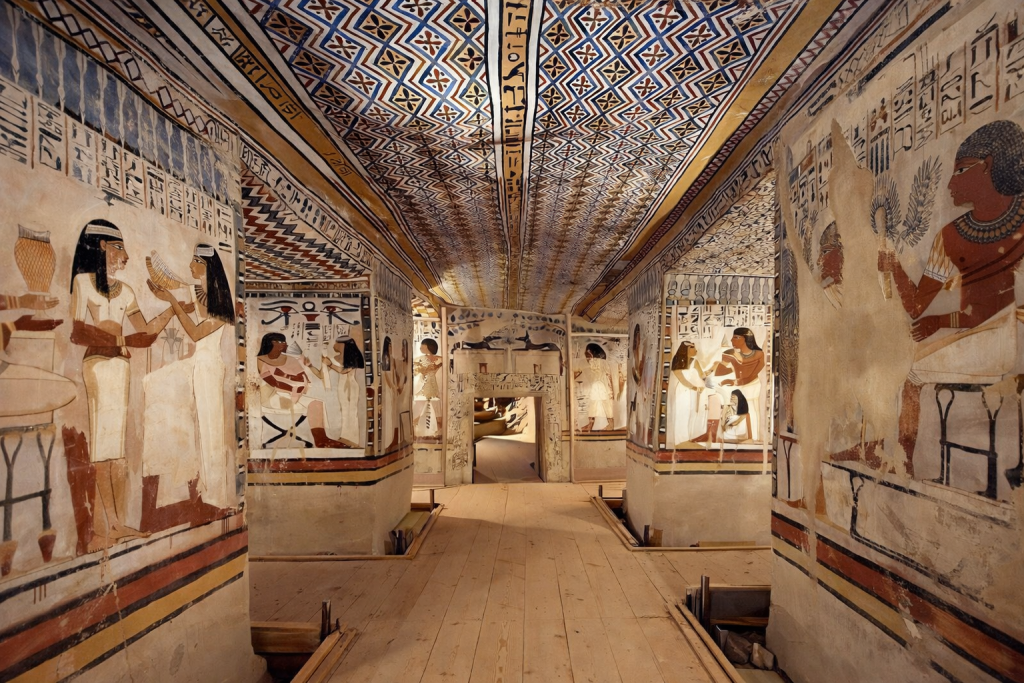
This name perfectly reflects the artistic beauty found inside the tombs of the Valley of the Queens. The walls are decorated with colorful scenes from the Book of the Dead, divine rituals, and representations of gods guiding the queens into the afterlife.

More than 90 tombs have been discovered , although not all are open to visitors.

Valley of the Queens

Location of the Valley

The Valley of the Queens is located near Luxor, on the west bank of the Nile River, close to the ancient city of Thebes.

The west bank of Luxor was associated with death and the afterlife in ancient Egyptian belief. That is why major royal burial sites, including the Valley of the Queens, were built there.

Its desert setting, surrounded by limestone hills, provided natural protection and spiritual symbolism.


Why Was the Valley of the Queens Built?

was created to provide royal women with secure, sacred burial spaces away from the main royal tombs.

Ancient Egyptian queens were not merely wives — many had religious roles, political influence, and divine status. The Valley of the Queens reflects the respect and spiritual importance granted to royal women.

The tombs were carefully carved into the mountains and richly decorated to ensure a safe journey to the afterlife.


Tomb of Queen Nefertari – The Jewel of the Valley

The most famous tomb belongs to Queen Nefertari, the Great Royal Wife of Ramesses II.

Her tomb (QV66) is considered one of the most beautiful tombs in all of Egypt.

Why Is Nefertari’s Tomb So Special?

  • Exceptionally preserved colors
  • Detailed artistic scenes
  • Sacred texts from the Book of the Dead
  • Stunning astronomical ceiling

The artistic quality inside this tomb make internationally famous.

Due to preservation efforts, access is limited and requires a special ticket.


Architectural Design of the Valley

The tombs follow a specific architectural pattern:

  • Entrance corridor
  • Multiple chambers
  • Burial chamber
  • Decorative painted walls

Unlike massive temples, the tombs focus on interior beauty rather than exterior structure.

The colors inside the Valley of the Queens remain vibrant even after thousands of years.


Religious Symbolism in the Valley

The Valley represents ancient Egyptian beliefs about life after death.

Wall paintings show:

  • Goddess Isis
  • Goddess Hathor
  • God Anubis
  • God Osiris

These scenes symbolize protection, rebirth, and eternal life.

The Valley served as a spiritual gateway to immortality.


How Many Tombs Are in the Valley of the Queens?

Archaeologists have discovered over 90 tombs

Not all tombs are decorated, and many were damaged in ancient times by tomb robbers.

However, several tombs remain accessible to visitors and provide extraordinary insight into royal life.


Visiting the Valley of the Queens Today

Today, one of the top tourist attractions in Luxor.

Ticket Information

Visitors can purchase a general entrance ticket, while special tombs like Nefertari’s require additional fees.

Best Time to Visit

  • Early morning
  • Winter months (October–April)

Travel Tips

  • Wear comfortable shoes
  • Bring water
  • Avoid peak afternoon heat

The Importance of the Valley of the Queens in Egyptian Tourism

The Valley of the Queens plays a significant role in Egypt’s cultural tourism.

Tourists who visit Luxor often combine with other west bank attractions, creating a complete historical experience.

Its artistic value makes it a must-visit destination for history lovers, archaeologists, photographers, and cultural travelers.


Preservation Efforts in the Valley of the Queens

Due to humidity and tourism impact, restoration projects have been implemented to protect the tombs.

International conservation teams work to preserve:

  • Wall paintings
  • Structural stability
  • Climate control inside tombs

These efforts ensure that remains protected for future generations.


Why the Valley of the Queens Should Be on Your Travel List

The Valley of the Queens offers:

  • Unique royal history
  • Incredible ancient Egyptian art
  • Peaceful desert landscapes
  • Deep spiritual symbolism

Unlike crowded tourist spots, provides a more intimate and powerful experience.


Conclusion – Discover the Magic of the Valley of the Queens

The Valley of the Queens is one of Egypt’s hidden treasures.

It tells the story of powerful queens, sacred beliefs, and artistic excellence.

If you are planning a trip to Luxor, deserves a top place on your itinerary.

Exploring means walking through history, art, and eternity.

To learn more about the Valley of the Queens, its history, and how to plan your visit, you can check out this comprehensive guide from Britannica at https://www.britannica.com/place/Valley-of-the-Queens,


Kom Ombo Temple: Discover the Unique Double 2 Temple of Sobek and Haroeris in Egypt

Kom Ombo Temple – A Unique Double Temple on the Nile

The Kom Ombo Temple is one of Egypt’s most remarkable and unique historical sites. Unlike most temples, it is a double temple, built to honor two gods simultaneously: Sobek, the crocodile god associated with fertility and the Nile, and Haroeris (Horus the Elder), the falcon-headed sky god symbolizing protection and kingship.

Situated on the eastern bank of the Nile River, the temple was constructed during the Ptolemaic Dynasty (180–47 BC), with additions from the Roman period. Its symmetrical design reflects its dual dedication, making it unlike any other temple in Egypt.

This article will guide you through the temple’s history, architecture, religious significance, and what visitors can explore today.

Kom Ombo Temple

Historical Background of Kom Ombo Temple

The Kom Ombo Temple’s history is rich and layered. The site was considered sacred long before the Ptolemaic period, with early shrines dedicated to Sobek. The Ptolemies expanded the temple to create the double temple structure.

  • Sobek: Worshiped as the god of fertility, water, and crocodiles. Sobek protected the pharaoh and ensured the prosperity of the Nile.
  • Haroeris (Horus the Elder): Represented the sky, kingship, and divine protection.

The dual dedication reflects the Egyptian concept of balance — between chaos and order, water and land, fertility and power.

Over centuries, the temple saw renovations and additions from Roman rulers who also revered Sobek, demonstrating the temple’s long-lasting religious importance.


Kom Ombo Temple Architecture and Layout

The architecture of Kom Ombo is a masterpiece of Ptolemaic design. Its symmetry is immediately visible from the entrance: the temple has twin entrances, halls, sanctuaries, and chapels, one for each god.

Twin Entrances and Hypostyle Halls

Each entrance leads to a hypostyle hall filled with intricately carved columns. The carvings depict pharaohs, gods, and ritual scenes. The twin halls are mirror images, emphasizing the dual worship.

Sanctuaries and Chapels

The temple contains two main sanctuaries at its rear, each housing a statue of Sobek and Haroeris. Smaller chapels and rooms surround the sanctuaries for offerings and religious rituals.

Reliefs and Wall Carvings

Kom Ombo Temple is famous for its detailed reliefs, including:

  • Pharaohs making offerings to Sobek and Haroeris
  • Crocodiles and falcons in hieroglyphics
  • Depictions of medical tools and procedures, showing ancient Egyptian medical knowledge
  • Scenes of daily life and ritual practices

These carvings make Kom Ombo a cultural and educational treasure as well as a religious site.


The Crocodile Museum

Located near the temple, the Crocodile Museum preserves dozens of mummified crocodiles, sacred to Sobek. These crocodiles were offered as part of religious ceremonies.

Visitors can also see:

  • Clay and bronze crocodile statues
  • Ancient artifacts related to Sobek worship
  • Insights into the Ptolemaic religious practices

The museum enhances the temple experience by connecting the ancient myths to tangible artifacts.


Religious Significance of Kom Ombo Temple

The temple’s religious significance is profound.

  • Sobek ensured the fertility of the land and the prosperity of the Nile.
  • Haroeris represented protection and divine kingship.
  • Dual worship emphasized the balance between opposing forces in Egyptian belief systems.

The temple also served as a medical center, with depictions of surgical instruments carved into the walls. This highlights the scientific knowledge of the time, linking religion with medicine.


Visiting Kom Ombo Temple Today

Kom Ombo Temple is accessible and ideal for tourists exploring Upper Egypt.

Kom Ombo Temple

How to Get There

  • Located 45 km north of Aswan, reachable by car, bus, or Nile cruise.
  • Many Nile cruises include Kom Ombo as a stop along the river, providing scenic views and convenient access.

Best Time to Visit

  • Early morning or late afternoon for cooler weather
  • Sunset visits offer beautiful Nile reflections

Highlights for Tourists

  • Twin sanctuaries of Sobek and Haroeris
  • Wall reliefs showing ancient Egyptian life
  • Crocodile Museum
  • Stunning views of the Nile

Fun Facts About Kom Ombo Temple

  1. It is one of the few double temples in Egypt.
  2. The temple features ancient surgical instruments carved on the walls.
  3. Sobek was both feared and revered, as crocodiles were dangerous but sacred.
  4. Mummified crocodiles were buried near the temple as offerings.
  5. The temple was later used and modified by Roman rulers.

Kom Ombo Temple in Modern Culture

The temple is not only a tourist attraction but also an important archaeological and cultural site.

  • Many films and documentaries feature Kom Ombo because of its unique architecture.
  • Archaeologists continue to study its reliefs to understand ancient Egyptian medicine and rituals.

Tips for Visitors

  • Wear comfortable shoes for walking around the temple complex
  • Bring water, especially in summer
  • Hire a local guide to understand the symbolism and history
  • Visit the Crocodile Museum for a complete experience

Conclusion

The Kom Ombo Temple is a rare gem in Egypt. Its double dedication, intricate architecture, fascinating reliefs, and crocodile lore make it a must-see for travelers, historians, and culture enthusiasts alike. A visit to Kom Ombo offers insight into the religious, medical, and social practices of ancient Egypt while providing a breathtaking view of the Nile.

Kom Ombo Temple

Edfu Temple Egypt: The Complete Guide to the Temple of Horus in Aswan (History, Architecture & Secrets)3

Edfu Temple Egypt – The Magnificent Temple of Horus on the Nile


Introduction to Edfu Temple

Located between Luxor and Aswan on the west bank of the Nile River, Edfu Temple stands as one of the best-preserved ancient Egyptian temples in the entire country. Dedicated to Horus, the falcon-headed god of protection and kingship, this extraordinary monument offers visitors a rare chance to experience a nearly intact temple from ancient times.

Unlike many other temples in Egypt that were damaged by time, invasions, or natural disasters, Edfu Temple remained buried under layers of sand and silt for centuries. This accidental preservation protected its walls, reliefs, and inscriptions, allowing modern visitors to witness its grandeur almost exactly as ancient Egyptians did over 2,000 years ago.

Edfu Temple

The Historical Background of the Temple of Horus at Edfu

Construction During the Ptolemaic Period

Edfu Temple was constructed during the reign of Ptolemy III in 237 BC and completed in 57 BC under Ptolemy XII. Although it was built during the Greek Ptolemaic dynasty, the architectural style strictly follows traditional ancient Egyptian temple design.

The Ptolemies understood that maintaining Egyptian religious traditions helped legitimize their rule. Therefore, they invested heavily in building temples dedicated to powerful deities like Horus.

Why Horus Was So Important

Horus was one of the most significant gods in ancient Egyptian mythology. He symbolized kingship, divine protection, and victory over chaos. According to myth, Horus avenged his father Osiris by defeating Seth, the god of disorder. This eternal struggle symbolized the triumph of order over chaos.

Edfu was considered the sacred site where Horus defeated Seth, making it a highly important pilgrimage destination in antiquity.


Architectural Layout of Edfu Temple

Edfu Temple covers approximately 7,000 square meters and follows the classic layout of Egyptian temples.

The Massive Pylon Entrance

The temple begins with a monumental pylon rising about 36 meters high. These twin towers are decorated with dramatic reliefs showing the king smiting his enemies before Horus. The pylon served both symbolic and ceremonial functions.

The Open Courtyard

Beyond the pylon lies a spacious courtyard surrounded by columns. This was where public religious ceremonies were performed. The courtyard allowed sunlight to illuminate sacred rituals.

The Hypostyle Hall

The hypostyle hall contains towering columns decorated with floral capitals. The ceiling once represented the sky, painted with stars and astronomical scenes. Only priests and royalty were allowed beyond this point.

The Sanctuary

At the heart of the temple lies the sanctuary, the most sacred area. Here stood the golden statue of Horus. The granite naos that still survives today once housed the divine image.

Edfu Temple

Religious Rituals and Festivals

The Beautiful Feast of the Reunion

One of the most famous ceremonies associated with Edfu Temple was the annual reunion festival between Horus of Edfu and Hathor of Dendera. During this event, Hathor’s statue traveled from Dendera to Edfu by boat along the Nile.

The festival symbolized divine marriage and cosmic harmony.


The Myth of Horus and Seth Depicted on the Walls

The walls of Edfu Temple are covered with detailed inscriptions describing the battle between Horus and Seth. These texts are among the most complete mythological records from ancient Egypt.

Scenes depict:

  • Naval battles
  • Ritual hunts
  • Symbolic purification ceremonies

These inscriptions are crucial for modern Egyptologists studying ancient religion.


Rediscovery of Edfu Temple in the 19th Century

For centuries, the temple was buried under desert sand and mud-brick houses. In 1860, French Egyptologist Auguste Mariette began excavating the site.

The removal of sand revealed one of the most complete temple structures in Egypt.


Why Edfu Temple Is One of the Best-Preserved Temples in Egypt

Unlike temples such as Karnak or Luxor, Edfu Temple remained protected beneath sand deposits. As a result:

  • Wall carvings are sharp and clear.
  • Ceilings retain original details.
  • Architectural structure is almost intact.

This makes it one of the finest examples of Ptolemaic temple architecture in Egypt.


Visiting Edfu Temple Today

Location and Accessibility

Edfu Temple is located about:

  • 60 km north of Aswan
  • 110 km south of Luxor

It is commonly visited as part of Nile cruises between Luxor and Aswan.

Best Time to Visit

Early morning visits are ideal to avoid crowds and heat. Winter months (October to April) offer the most comfortable temperatures.


Travel Tips for Visitors

  • Wear comfortable shoes
  • Bring water
  • Hire a knowledgeable guide
  • Visit during Nile cruise stops

Edfu Temple vs Other Egyptian Temples

Compared to:

  • Karnak Temple (larger but more ruined)
  • Philae Temple (romantic island setting)
  • Abu Simbel (monumental statues)

Edfu Temple stands out for preservation and complete architectural layout.

The Importance of Edfu Temple in Modern Tourism

Edfu Temple plays a major role in Nile cruise tourism. It offers visitors a complete understanding of temple structure, religious practice, and mythological storytelling.


Conclusion

Edfu Temple is not merely an ancient ruin; it is a time capsule preserving the religious, political, and artistic achievements of ancient Egypt. From its towering pylons to its sacred sanctuary, every stone tells a story of devotion, power, and mythology.

For travelers exploring Upper Egypt, the Temple of Horus at Edfu is an essential stop that combines architectural brilliance, historical depth, and mythological richness in one unforgettable experience.

Edfu Temple

Abu Simbel Temples: Egypt’s Colossal Masterpiece of Ancient Civilization 1

Abu Simbel Temples: A Monumental Marvel of Ancient Egypt

Nestled in the southern region of Nubia, near the modern-day border of Sudan, the Abu Simbel Temples stand as a remarkable testament to ancient Egyptian civilization. Commissioned by Pharaoh Ramses II in the 13th century BC, these rock-cut temples are widely recognized as some of the most magnificent architectural achievements of the New Kingdom period. They combine political symbolism, religious devotion, and artistic brilliance in a way that has captivated scholars, travelers, and adventurers for centuries.

The temples’ primary purpose was both spiritual and political: to honor the gods of Egypt and to assert the Pharaoh’s dominance over the Nubian territories. Carved directly into the sandstone cliffs overlooking the Nile, Abu Simbel’s imposing presence demonstrates the Pharaoh’s divine authority while serving as a strategic statement of power.

The site consists of two main temples: the Great Temple of Ramses II, dedicated to the Pharaoh and major deities, and the Smaller Temple of Queen Nefertari, honoring Ramses’ chief queen. Together, they showcase ancient Egyptian artistry, religious devotion, and engineering prowess, remaining a cornerstone of Egypt’s historical and cultural identity.


abu simbel temples Historical Background

Ramses II: The Pharaoh Behind Abu Simbel

Ramses II, often called Ramses the Great, reigned from 1279 BC to 1213 BC, marking one of the longest and most prosperous periods in Egyptian history. Known for his military campaigns, monumental constructions, and strong leadership, Ramses II is remembered as one of Egypt’s most powerful and celebrated Pharaohs.

Abu Simbel was commissioned after Ramses II’s victory at the Battle of Kadesh, symbolizing both military triumph and divine favor. The temples reflect his ambition to immortalize his reign, project Egypt’s supremacy, and strengthen his connection with the gods. Ramses II’s divine image is immortalized in the colossal statues, hieroglyphs, and intricate reliefs throughout the temples, conveying his eternal presence to both subjects and enemies.

Political and Religious Significance served multiple strategic and ceremonial purposes:

  1. Political Symbolism: The temples were strategically built near Nubia to project Egyptian dominance and influence in the region.
  2. Religious Center: Dedicated to gods such as Ra-Horakhty, Amun, and Ptah, the temples reinforced Pharaoh’s divine status.
  3. Cultural Legacy: The temples embodied Egyptian artistic, engineering, and religious excellence, leaving an enduring legacy for future generations.

Architectural Marvels of the Great Temple

The Exterior: Colossal Statues and Monumental Facade

The Great Temple is renowned for its imposing facade, dominated by four colossal statues of Ramses II, each approximately 20 meters tall (66 feet). These statues depict Ramses seated on his throne, exuding strength and divine authority. Flanking the Pharaoh are smaller statues of his family members, including his wife, children, and mother, emphasizing the dynastic and familial importance of his reign.

The temple’s facade is not only visually stunning but also symbolic. Each statue was carefully positioned to project power to the approaching visitor, while the inscriptions and reliefs celebrate the Pharaoh’s achievements, both militarily and spiritually.

Interior Layout and Artistic Mastery

Inside the Great Temple, visitors pass through a series of halls and chambers leading to the inner sanctuary. The walls are covered with detailed bas-reliefs, depicting Ramses II’s victories, religious ceremonies, and divine encounters. Scenes from the Battle of Kadesh, one of the Pharaoh’s most famous military campaigns, adorn the walls in meticulous detail, highlighting Egyptian strategies, chariots, and soldiers.

The inner sanctuary houses four statues representing Ramses II and major gods. Twice a year, on February 22 and October 22, sunlight penetrates the temple’s entrance to illuminate the sanctuary statues in a phenomenon known as the solar alignment, believed to coincide with Ramses II’s birthday and coronation. This remarkable alignment showcases the Egyptians’ astronomical knowledge and architectural precision.

abu simbel temples Engineering and Construction Techniques

Carving a temple of this magnitude directly into sandstone cliffs required sophisticated planning and skilled labor. Ancient Egyptian engineers considered structural stability, orientation to the sun, and intricate relief placement. The precision with which the colossal statues and internal chambers were created continues to astonish modern architects and archaeologists.

Abu Simbel Temples

The Temple of Queen Nefertari

Dedication and Symbolism

The smaller temple, often referred to as the Temple of Hathor, was dedicated to Queen Nefertari, Ramses II’s chief consort. The facade features six statues, with four representing Ramses II and two representing Nefertari, a rare honor that underscores her significance. The temple’s interior walls depict Nefertari performing rituals and worshiping Hathor, the goddess of love, beauty, and fertility.

Artistic Brilliance

This temple highlights feminine divinity, royal devotion, and aesthetic finesse. Its colorful reliefs, symmetry, and detailed carving demonstrate the Egyptians’ skill in proportion and design. Unlike the grandiose scale of the Great Temple, the Temple of Nefertari focuses on intimate spiritual devotion, offering insights into the Pharaoh’s personal life and his reverence for his queen.


Relocation of Abu Simbel: Saving a Global Treasure

Threat from Aswan High Dam

In the 1960s, the construction of the Aswan High Dam threatened to submerge Abu Simbel under the rising waters of Lake Nasser. Recognizing the temple’s cultural and historical significance, UNESCO launched an international campaign to relocate the monuments.

abu simbel temples Engineering Feat and International Collaboration

The relocation project involved cutting the temples into massive blocks weighing up to 30 tons, meticulously moving them to higher ground, and reconstructing them to retain original orientation and alignment. This endeavor, involving engineers, archaeologists, and workers from multiple countries, preserved not only the structures but also their intricate carvings and solar alignment.

The successful relocation stands as one of the 20th century’s most remarkable feats of archaeological preservation, ensuring Abu Simbel remains accessible for future generations.


Abu Simbel: A Modern Traveler’s Guide

abu simbel temples Best Time to Visit

Tourists should aim to visit between October and April, when temperatures are moderate. Witnessing the solar phenomenon offers a unique, once-in-a-lifetime experience.

abu simbel temples Travel and Accessibility

Visitors can reach Abu Simbel via air from Aswan, by organized road trips, or through Nile cruise tours that include stops at southern Egyptian landmarks. Local guides enhance the experience with historical context, legends, and insights into architectural techniques.

abu simbel temples Practical Tips for Tourists

  • Dress Modestly: Respect local customs and protect against the desert sun.
  • Photography: While the exterior is open for photography, interior sanctuaries require adherence to preservation rules.
  • Timing: Arrive early to avoid the crowds, especially during peak tourist seasons.

abu simbel temples Cultural and Global Significance

Abu Simbel is not just an archaeological site—it is a symbol of human ingenuity, artistic mastery, and cultural preservation. Its temples have inspired books, films, and documentaries worldwide. Scholars study Abu Simbel to understand Egyptian engineering, religious rituals, and dynastic politics.

The temples’ relocation is celebrated as a landmark achievement in global heritage preservation, showing how international cooperation can save humanity’s most precious cultural treasures.


abu simbel temples Modern Popular Culture

From travel documentaries to historical novels, Abu Simbel captivates audiences worldwide. Its dramatic relocation, colossal statues, and mysterious solar alignments have inspired awe in engineers, historians, and travelers alike. The site is a staple in discussions of Egyptian antiquities, appearing in films, exhibitions, and cultural festivals celebrating ancient history.


Abu simbel temples Timeless Monument

Abu Simbel Temples remain a living testament to Egypt’s golden age. The grandeur of Ramses II’s Great Temple and the intimate beauty of the Temple of Nefertari capture the essence of ancient Egyptian civilization. Beyond their historical and artistic significance, these temples embody human creativity, engineering brilliance, and spiritual devotion.

Visitors leave with a profound sense of wonder, inspired by the skill, vision, and cultural legacy of a civilization that continues to shape the world’s understanding of history and artistry. The temples, preserved through modern engineering feats, stand ready to educate, inspire, and awe generations to come.

Abu Simbel Temples