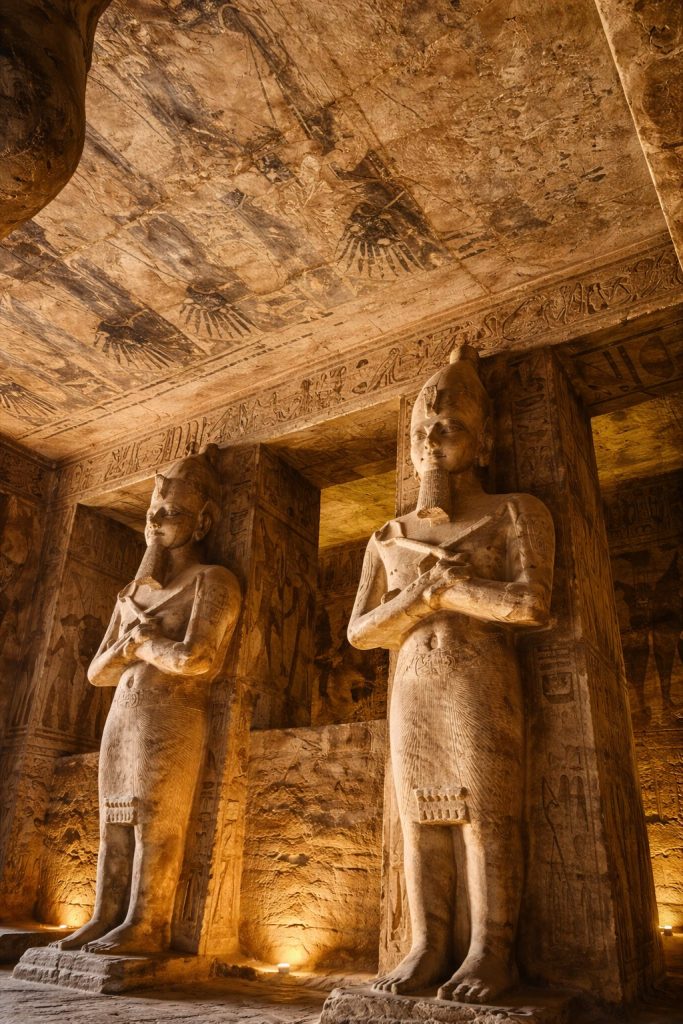
Temple of Philae in Aswan: The Complete Historical, Architectural, and Travel Guide to Egypt’s Sacred Island Temple1

Temple of Philae Is One of Egypt’s Most Magical Monuments

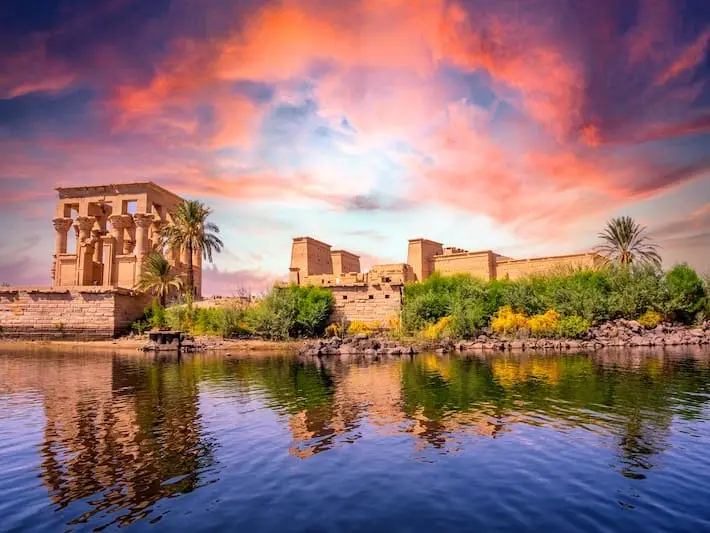
The Temple of Philae in Aswan is not just an ancient Egyptian temple. It is a story of faith, power, mythology, survival, and international rescue. Standing gracefully on Agilkia Island in the Nile River, this magnificent temple complex dedicated to the goddess Isis remains one of the most romantic and spiritually captivating archaeological sites in Egypt.

For travelers exploring Aswan tourist attractions, Philae Temple is considered a must-visit destination. For historians and archaeology lovers, it represents the final chapter of ancient Egyptian religion. And for photographers, it is one of the most picturesque ancient Egyptian temples ever built.

This complete guide explores the history of Philae Temple, its architecture, religious significance, UNESCO rescue mission, myths of Isis and Osiris, and essential travel tips for visitors.


Where Is the Temple of Philae Located?

Location in Aswan

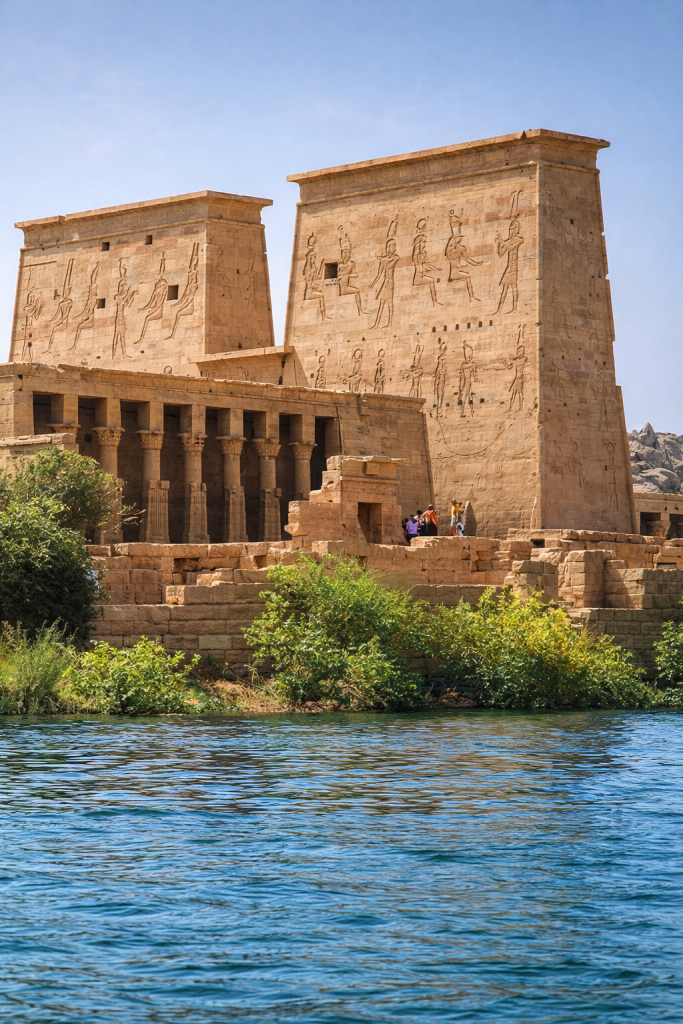
The Temple of Philae is located in southern Egypt, near the city of Aswan. Today, the temple stands on Agilkia Island, a small island in the Nile River.

Originally, however, the temple was constructed on Philae Island itself. Due to the construction of the High Dam of Aswan in the 20th century, the temple faced submersion under the waters of Lake Nasser.

How Visitors Reach Philae Temple

Visitors reach the Temple of Philae by taking a motorboat from the marina near the temple entrance. This short Nile ride enhances the mystical atmosphere, as the temple gradually appears like a mirage rising from the water.

The boat journey is not just transportation — it is part of the full Philae Temple experience.

Temple of Philae

The Historical Timeline of Philae Temple

Early Foundations and Sacred Significance

Although most of the visible structures belong to the Ptolemaic period, the island of Philae was considered sacred long before that. It was believed to be one of the burial places of Osiris.

Philae became a major religious center, especially for the worship of Isis.

The Ptolemaic Construction Period

The main construction of the Temple of Philae began during the reign of Ptolemy II Philadelphus (285–246 BCE). Greek rulers of Egypt adopted traditional Egyptian architectural styles to legitimize their authority.

Subsequent Ptolemaic kings expanded the complex, adding pylons, courtyards, and chapels.

Roman Additions

Roman emperors such as Augustus, Tiberius, and Trajan also contributed to the expansion of Philae Temple. The famous Kiosk of Trajan remains one of the most elegant Roman additions.

The Last Stronghold of Ancient Egyptian Religion

Philae Temple was one of the final places where ancient Egyptian religion survived after Christianity spread across Egypt.

Worship of Isis continued here until the 6th century AD, when Byzantine Emperor Justinian ordered the closure of pagan temples.

Later, parts of the temple were converted into a Christian church, leaving visible crosses carved into ancient walls.


The Goddess Isis and Her Sacred Temple

Who Was Isis?

Isis was one of the most important goddesses in ancient Egyptian mythology. She symbolized motherhood, healing, magic, protection, and divine femininity.

She was the wife of Osiris and the mother of Horus.

The Myth of Isis and Osiris

According to Egyptian mythology:

  • Osiris was murdered by his brother Set.
  • His body was cut into pieces and scattered.
  • Isis traveled across Egypt to collect and reassemble his body.
  • Through her magical powers, she resurrected him long enough to conceive Horus.

Philae became the spiritual center of this myth.

Pilgrims traveled from across Egypt and Nubia to worship Isis at her sacred island temple.


Architectural Highlights of the Temple of Philae

The First Pylon

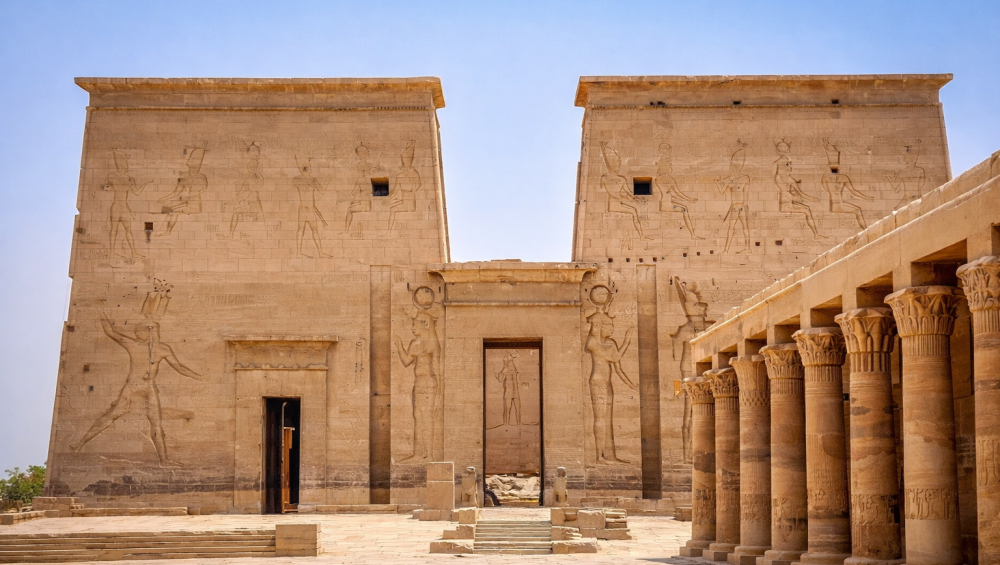
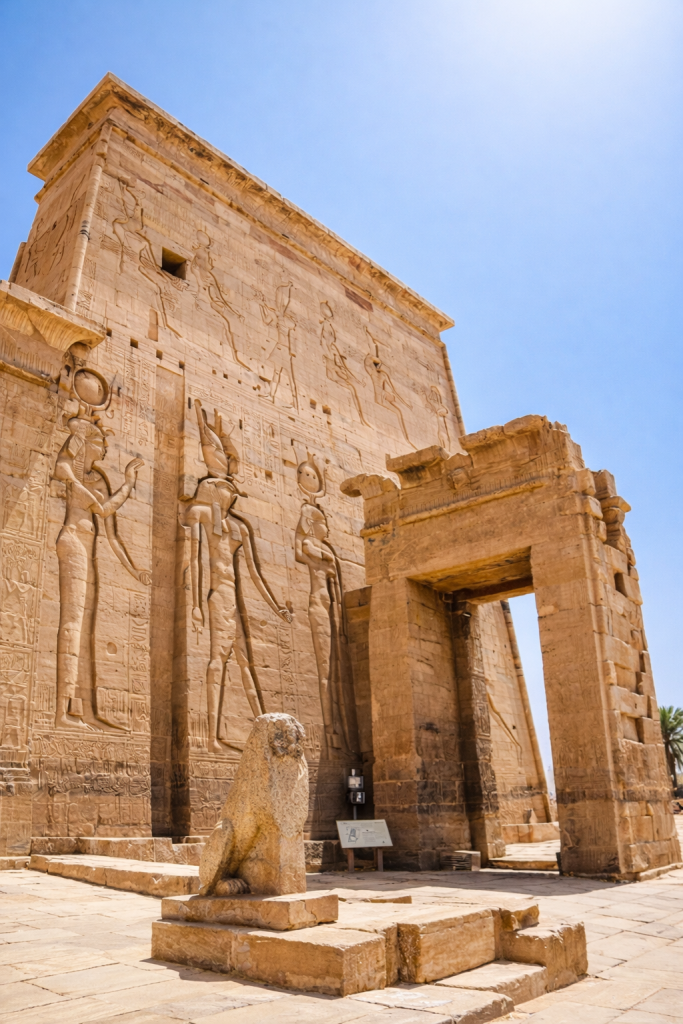
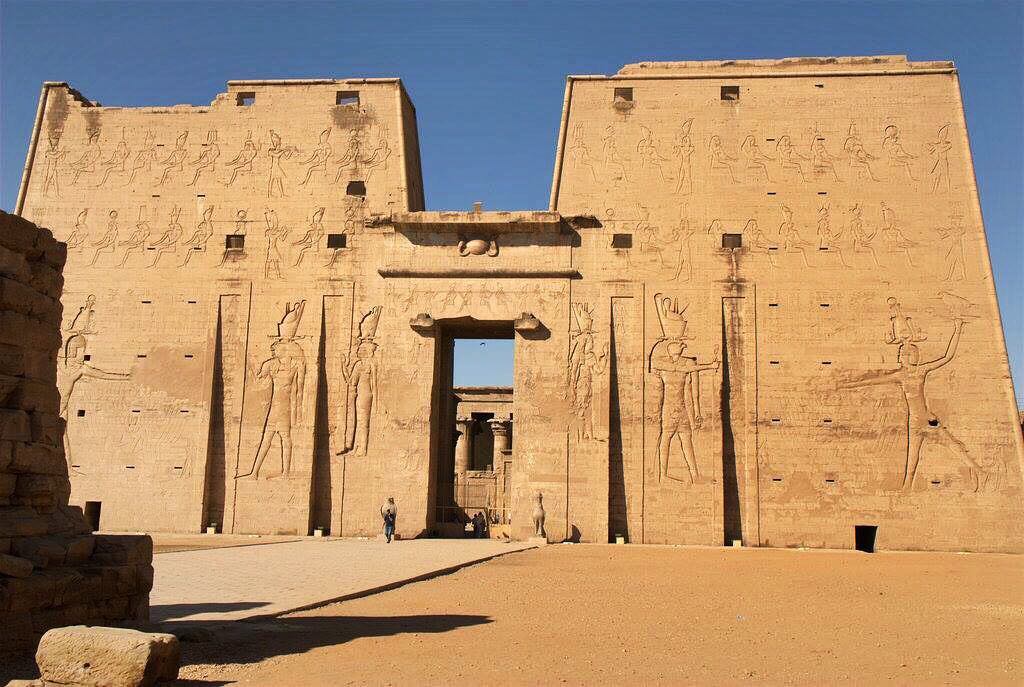
The entrance of Philae Temple is marked by a massive pylon decorated with reliefs showing the king defeating enemies before Isis and Horus.

These carvings symbolize divine protection and royal authority.

The Forecourt

Beyond the pylon lies an open courtyard surrounded by colonnades. The floral column capitals represent lotus and papyrus plants — symbols of Upper and Lower Egypt.

The Hypostyle Hall

The Hypostyle Hall contains beautifully carved columns and detailed reliefs showing religious rituals, offerings, and sacred ceremonies.

Hieroglyphics here provide valuable insight into ancient Egyptian religious practices.

The Sanctuary of Isis

The sanctuary was the most sacred chamber of the temple. Here stood the statue of Isis, accessible only to high priests.

This inner chamber symbolized the spiritual heart of Philae Temple.

The Kiosk of Trajan

One of the most iconic structures within the complex is Trajan’s Kiosk. This elegant open pavilion reflects Roman architectural influence while maintaining Egyptian style.

Temple of Philae

The UNESCO Rescue Mission: Saving Philae Temple

The Threat of Flooding

With the construction of the Aswan High Dam in the 1960s, many Nubian monuments were threatened by rising waters.

Philae Temple was partially submerged for months each year.

The International Campaign

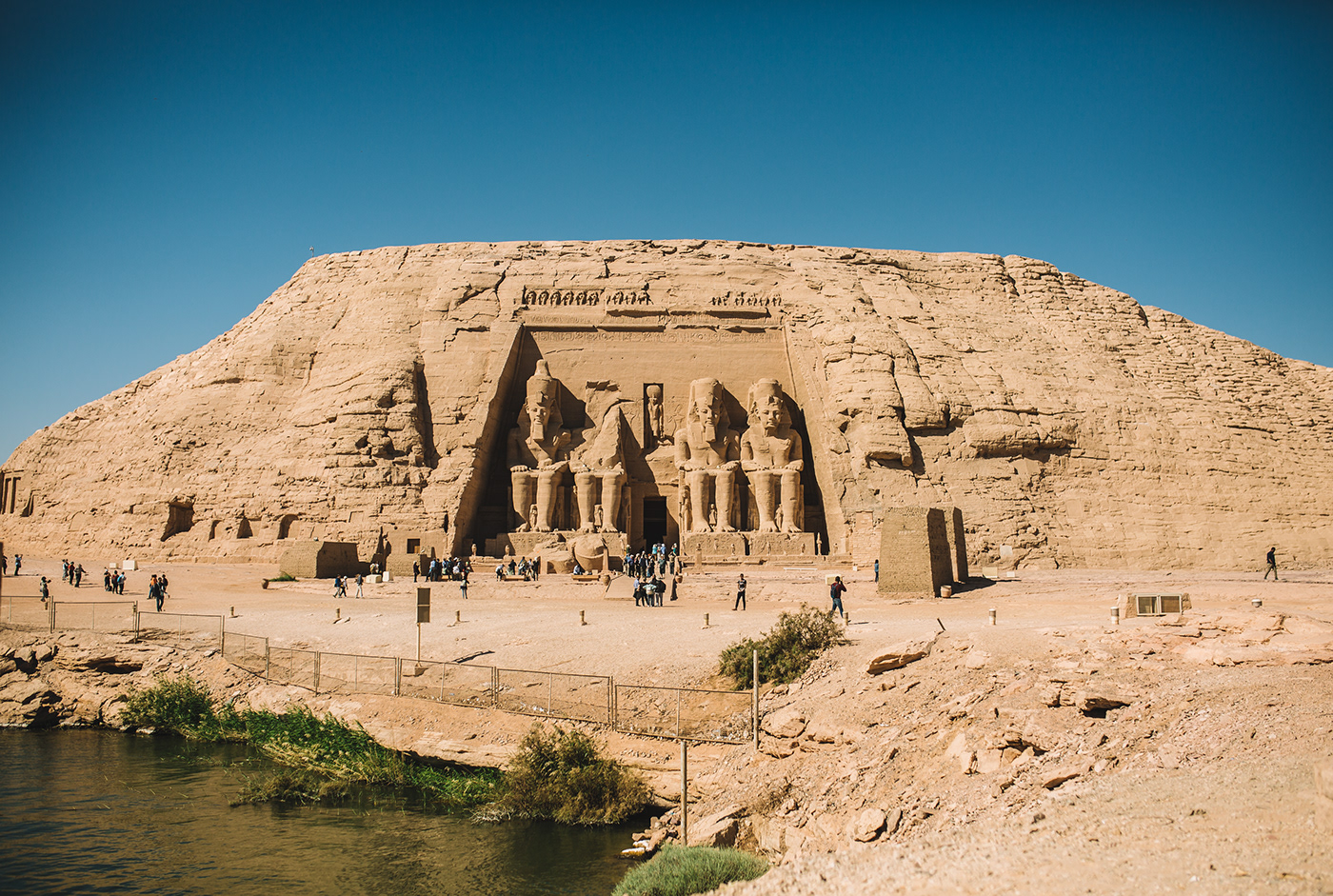
In 1960, UNESCO launched a global rescue mission to save Nubian monuments, including Abu Simbel and Philae.

Between 1972 and 1980:

  • The temple was dismantled into over 40,000 blocks.
  • Each stone was carefully numbered.
  • The complex was reconstructed on Agilkia Island at a higher elevation.

This project remains one of the greatest archaeological preservation efforts in history.


Philae Temple in the Greco-Roman World

The worship of Isis spread far beyond Egypt.

Temples dedicated to Isis were found in:

  • Rome
  • Greece
  • Spain

Philae became an international religious center during the Greco-Roman era.

The blending of Egyptian and classical influences is visible throughout the temple’s architecture.


Religious Symbolism in the Temple of Philae

Philae Temple is rich in symbolic imagery.

Common symbols include:

  • The ankh (symbol of life)
  • The throne symbol of Isis
  • Solar disks
  • Sacred boats

These symbols reinforced the temple’s spiritual meaning.


Sound and Light Show at Philae Temple

At night, Philae Temple hosts one of the most enchanting Sound and Light Shows in Egypt.

The illuminated temple walls and dramatic narration recount the story of Isis and Osiris.

For many visitors, this experience is the highlight of their Aswan trip.


Best Time to Visit Philae Temple

Weather Considerations

Aswan has a hot desert climate.

The best months to visit are:

  • October
  • November
  • February
  • March

Early morning and late afternoon visits are recommended.

Photography Tips

Sunset offers golden reflections on the Nile, making Philae Temple one of the most photogenic sites in Egypt.


Travel Tips for Visiting Philae Temple

  • Wear comfortable shoes.
  • Bring sunscreen and water.
  • Hire a licensed guide for deeper understanding.
  • Combine your visit with Abu Simbel and the Nubian Museum.
  • Allocate at least two hours for full exploration.

Why Philae Temple Is a Must-Visit Attraction in Aswan

Philae Temple combines:

  • Ancient mythology
  • Ptolemaic and Roman architecture
  • Christian history
  • UNESCO preservation success
  • Stunning Nile scenery

Few monuments in Egypt offer such a complete historical narrative.


Conclusion: The Timeless Legacy of Philae Temple

The Temple of Philae is more than an archaeological site.

It is a symbol of:

  • Devotion
  • Survival
  • Cultural continuity
  • International cooperation

From the worship of Isis to its dramatic relocation, Philae Temple remains one of Egypt’s most powerful historical landmarks.

For anyone planning an Egypt travel itinerary, the Temple of Philae in Aswan should be at the very top of the list.

The Tomb of Nefertari – A Complete Journey into Ancient Egyptian Majesty 1

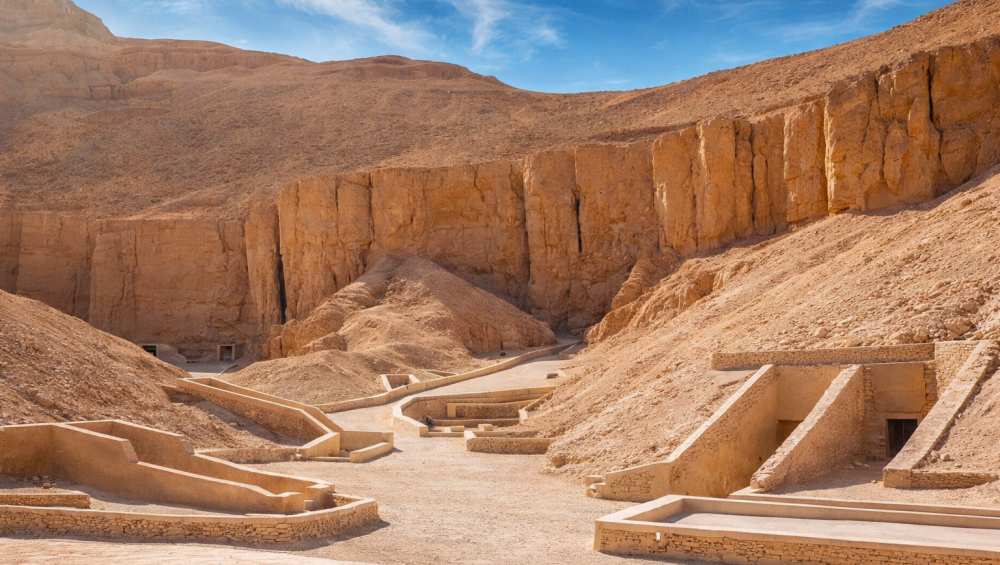
The Tomb of Nefertari: Luxor’s Masterpiece of Ancient Egyptian Art

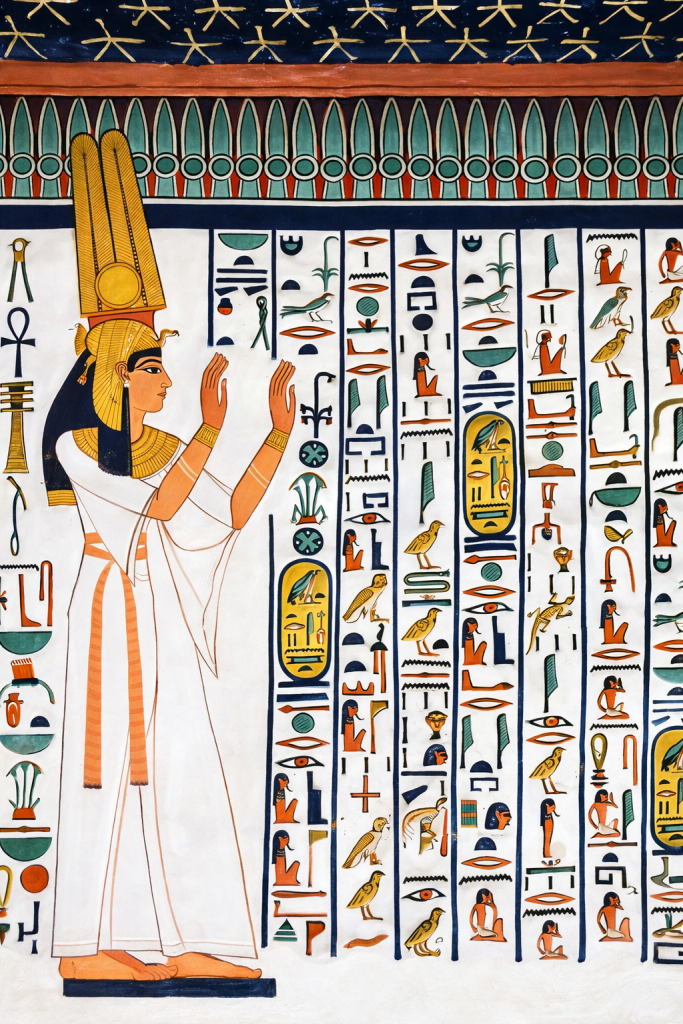
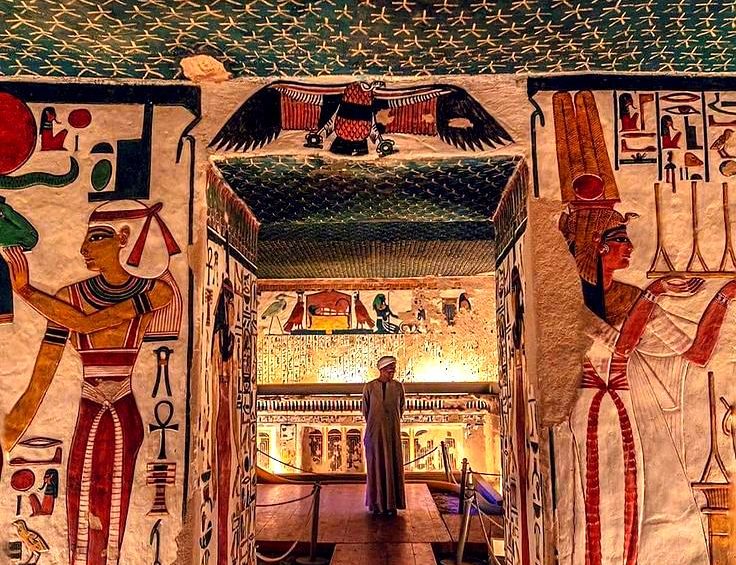
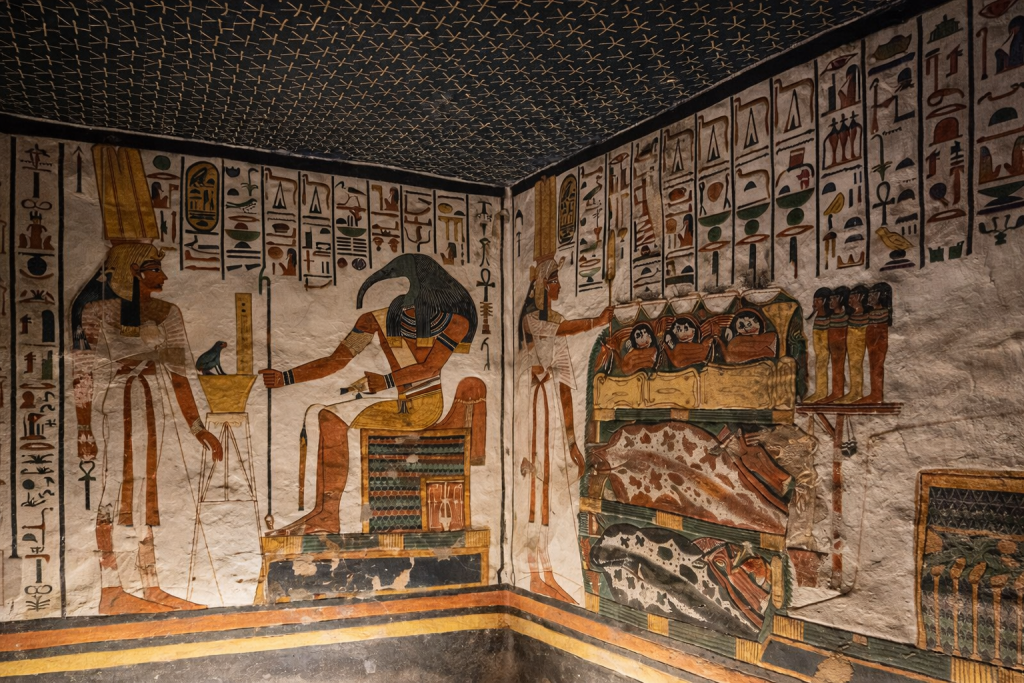
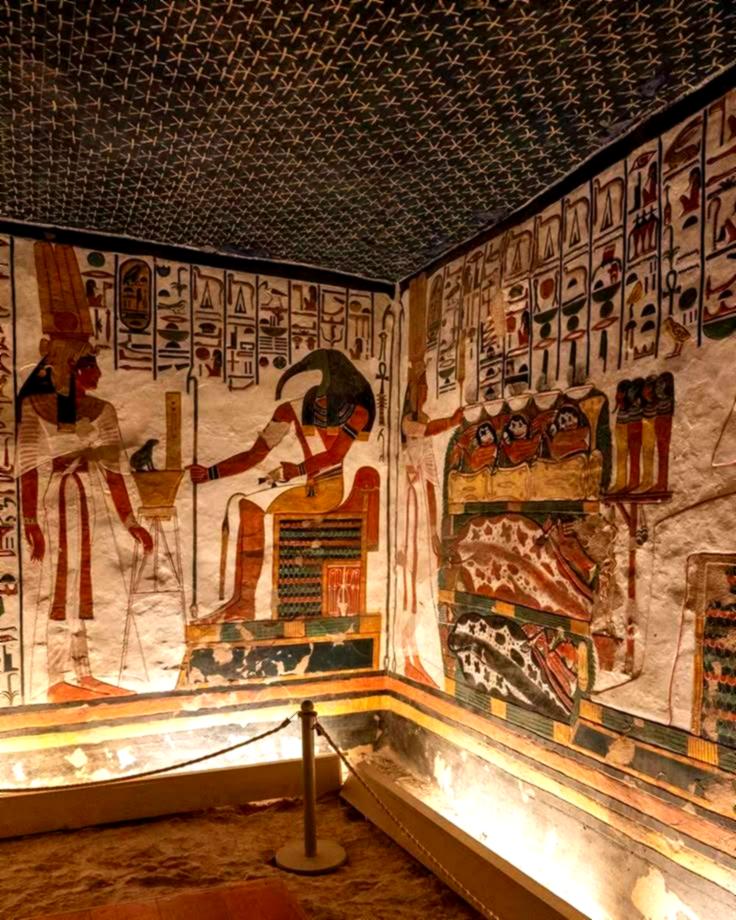
The Tomb of Nefertari (QV66), nestled in the Valley of the Queens, is often described as the crown jewel of New Kingdom tombs. Constructed for Queen Nefertari, the favorite wife of Pharaoh Ramses II, it is celebrated for its breathtaking wall paintings, vibrant colors, and meticulous attention to symbolic detail. Unlike many other tombs, QV66 reflects not only the queen’s status but also the religious beliefs, cultural practices, and artistic innovations of ancient Egypt.

The tomb is a vital cultural and historical landmark, attracting archaeologists, historians, and tourists from around the globe. Visiting it offers an unforgettable glimpse into the luxury, spirituality, and artistry of one of Egypt’s most iconic queens.

Tomb of Nefertari

Queen Nefertari: Life, Legacy, and Influence

Queen Nefertari, whose name means “Beautiful Companion”, held a unique place in Egyptian history. As the favored wife of Ramses II, she wielded substantial influence in both domestic and diplomatic spheres.

Life of Queen Nefertari

Born in the early 13th century BCE, Nefertari was renowned for her intelligence, beauty, and political significance. She was actively involved in state ceremonies, religious rituals, and likely played a role in diplomatic missions, particularly with neighboring kingdoms. Her prominence is reflected in the grandeur of her tomb, which far surpasses many others in the Valley of the Queens.

Nefertari’s Death and Burial

Following her death, Nefertari was honored with one of the most magnificent tombs ever constructed for a queen. The tomb was designed to ensure her safe passage to the afterlife, as depicted in the vivid religious iconography that covers its walls. Every detail, from hieroglyphics to painted gods, was chosen to protect and guide her soul.


The Valley of the Queens: A Royal Necropolis

Location and Historical Context

The Valley of the Queens, situated on the west bank of the Nile near Luxor, was specifically designated as a burial site for royal women during the New Kingdom. The valley’s dry climate preserved tombs remarkably well, allowing visitors today to witness their original splendor.

Nearby sites include:

  • Temple of Hatshepsut – showcasing royal funerary architecture.
  • Valley of the Kings – final resting place of Pharaohs, including Ramses II.

Visitor Tip: Combine visits to maximize the cultural experience and appreciate the full scope of New Kingdom tombs.


Architectural Marvel of Tomb QV66

The tomb’s layout was carefully crafted to symbolize Nefertari’s journey from life to eternity.

Entrance and Descending Corridors

The tomb begins with a sloping corridor leading to the burial chambers. The walls here are decorated with protective spells and scenes invoking blessings from gods. The corridors themselves are symbolic of the passage from the mortal world into the divine afterlife.

The Antechamber

The antechamber serves as a transitional space, featuring murals depicting Nefertari receiving offerings and participating in rituals with deities.

Artistic highlights:

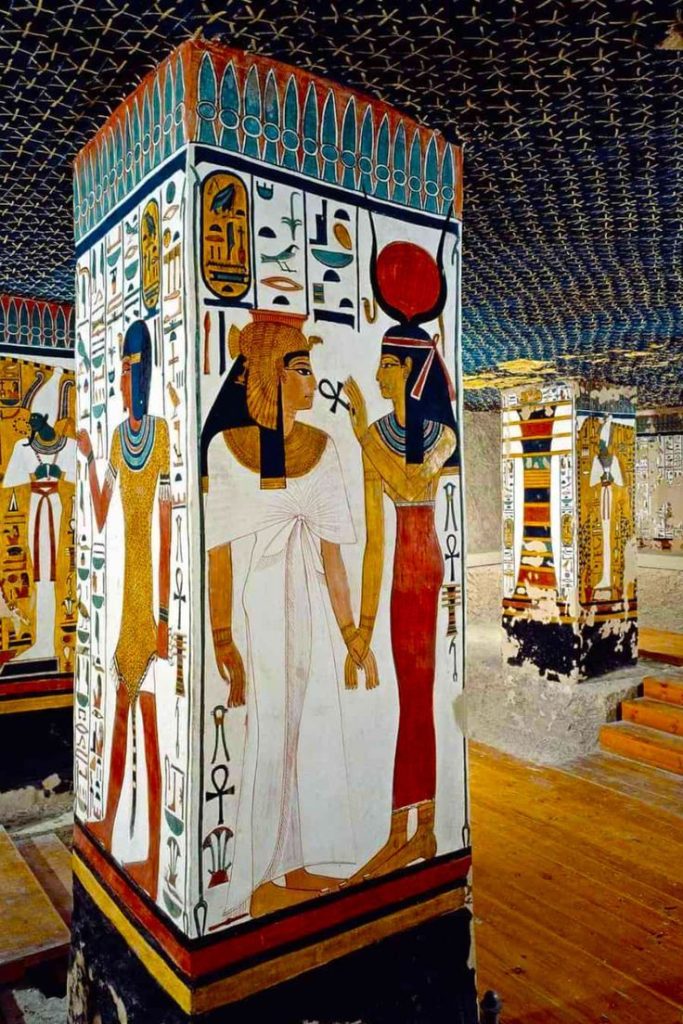
  • Vibrant depictions of Hathor, goddess of love and music, welcoming Nefertari.
  • Representations of the Book of the Dead, guiding the queen through trials of the underworld.

The Main Burial Chamber

The burial chamber is the tomb’s centerpiece, adorned with some of the finest murals in Egypt.

  • Ceiling: Celestial motifs representing the night sky and heavens.
  • Walls: Scenes depicting Nefertari with Osiris, Ra, and Anubis, emphasizing divine protection.
  • Sarcophagus area: Although the original sarcophagus is lost, the murals vividly show her entombment rituals.

Wall Paintings: A Masterpiece of Color and Symbolism

Themes and Interpretations

  1. Divine Guidance: Gods guiding Nefertari through the afterlife.
  2. Ritual Offerings: Illustrations of ceremonies ensuring her rebirth.
  3. Eternal Life: Symbols such as the ankh and lotus flowers represent immortality.

Artistic Techniques

  • Pigments: Natural minerals like lapis lazuli, malachite, and ochre.
  • Detailing: Fine brushwork to highlight facial expressions and clothing textures.
  • Preservation: The tomb’s dry climate helped maintain colors for over 3,000 years.
Tomb of Nefertari

Mysteries and Legends of Nefertari’s Tomb

Several legends surround QV66, adding to its allure:

  • Stories of hidden chambers still undiscovered by archaeologists.
  • Ancient inscriptions hinting at ritual secrets for eternal life.
  • The tomb’s exceptional beauty inspired poets, historians, and artists for centuries.

Preservation Efforts

The Egyptian government, along with international organizations, has worked tirelessly to preserve QV66.

Efforts include:

  • Limiting visitor numbers to reduce wear.
  • Installing climate control to protect pigments.
  • Periodic restoration of damaged murals using traditional techniques.

Preservation ensures that Nefertari’s tomb remains a symbol of ancient Egyptian cultural heritage.


Visiting the Tomb: Practical Tips

Planning Your Visit

  • Tickets: Purchase in advance; photography is restricted.
  • Guides: Essential for historical context.
  • Timing: Early morning visits avoid crowds and provide better lighting.

Nearby Attractions

  • Valley of the Kings
  • Temple of Hatshepsut
  • Luxor Museum

Travel Tips

  • Comfortable shoes for walking on uneven terrain.
  • Sun protection: hat, sunscreen, and water.
  • Respect cultural norms inside tombs and temples.

Cultural and Historical Impact

The Tomb of Nefertari has influenced:

  • Modern Egyptology: Key source of New Kingdom burial practices.
  • Art History: Inspiration for painters and architects worldwide.
  • Tourism: Boosts Luxor’s economy and global recognition.

Conclusion

The Tomb of Nefertari is a timeless testament to the power, beauty, and spirituality of ancient Egypt. Every painting, symbol, and hieroglyph invites visitors into the queen’s eternal journey. For those exploring Luxor, this tomb is not just a historical site—it is an immersive cultural and artistic experience, reflecting the grandeur of the New Kingdom and the enduring legacy of Queen Nefertari.

Tomb of Nefertari

Hatshepsut Temple in Luxor: The Complete Guide to the Mortuary Temple of Queen Hatshepsut1

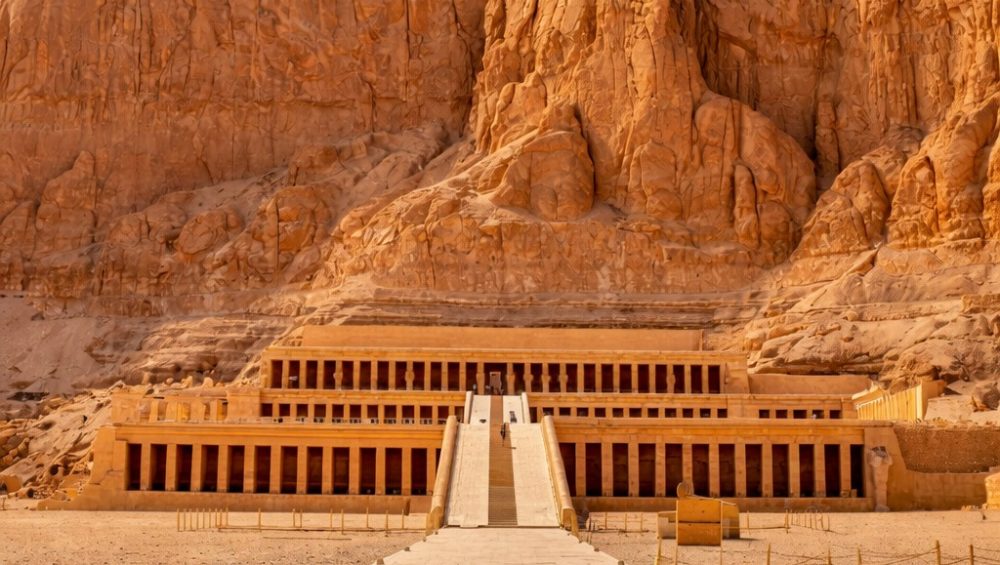
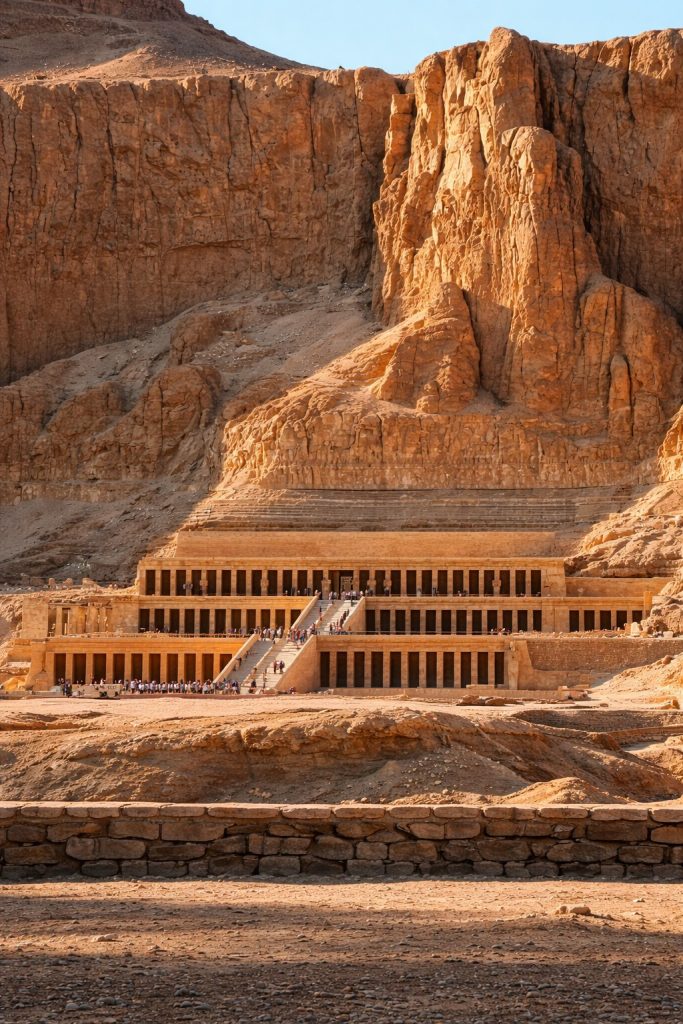
The Hatshepsut Temple in Luxor is one of the most breathtaking architectural masterpieces of Ancient Egypt. Located on the West Bank of Luxor near the Valley of the Kings, the Mortuary Temple of Hatshepsut stands as a powerful symbol of royal ambition, divine authority, and architectural innovation.

If you are planning a trip to Luxor or researching ancient Egyptian temples, this complete guide to the Temple of Hatshepsut will provide everything you need to know — from history and architecture to tickets, location, and travel tips.


Where is Hatshepsut Temple Located?

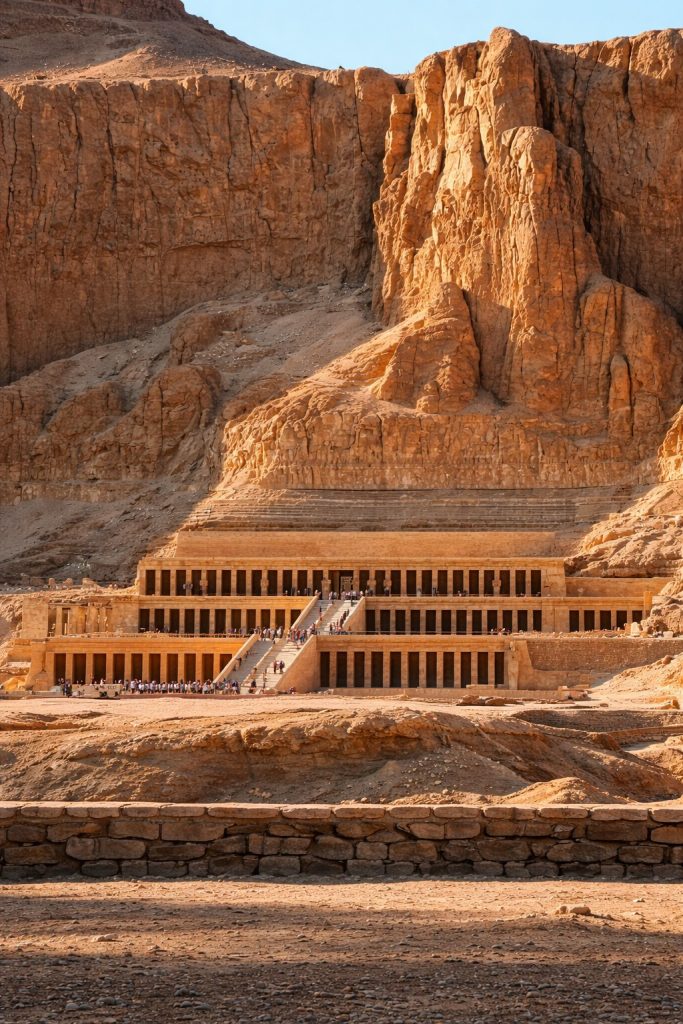
The Temple of Hatshepsut is located in Deir el-Bahari on the Luxor West Bank, opposite the modern city of Luxor (ancient Thebes). It is situated dramatically at the base of towering limestone cliffs, creating one of the most iconic landscapes in Egypt.

The temple is only a short drive from:

  • Valley of the Kings
  • Valley of the Queens
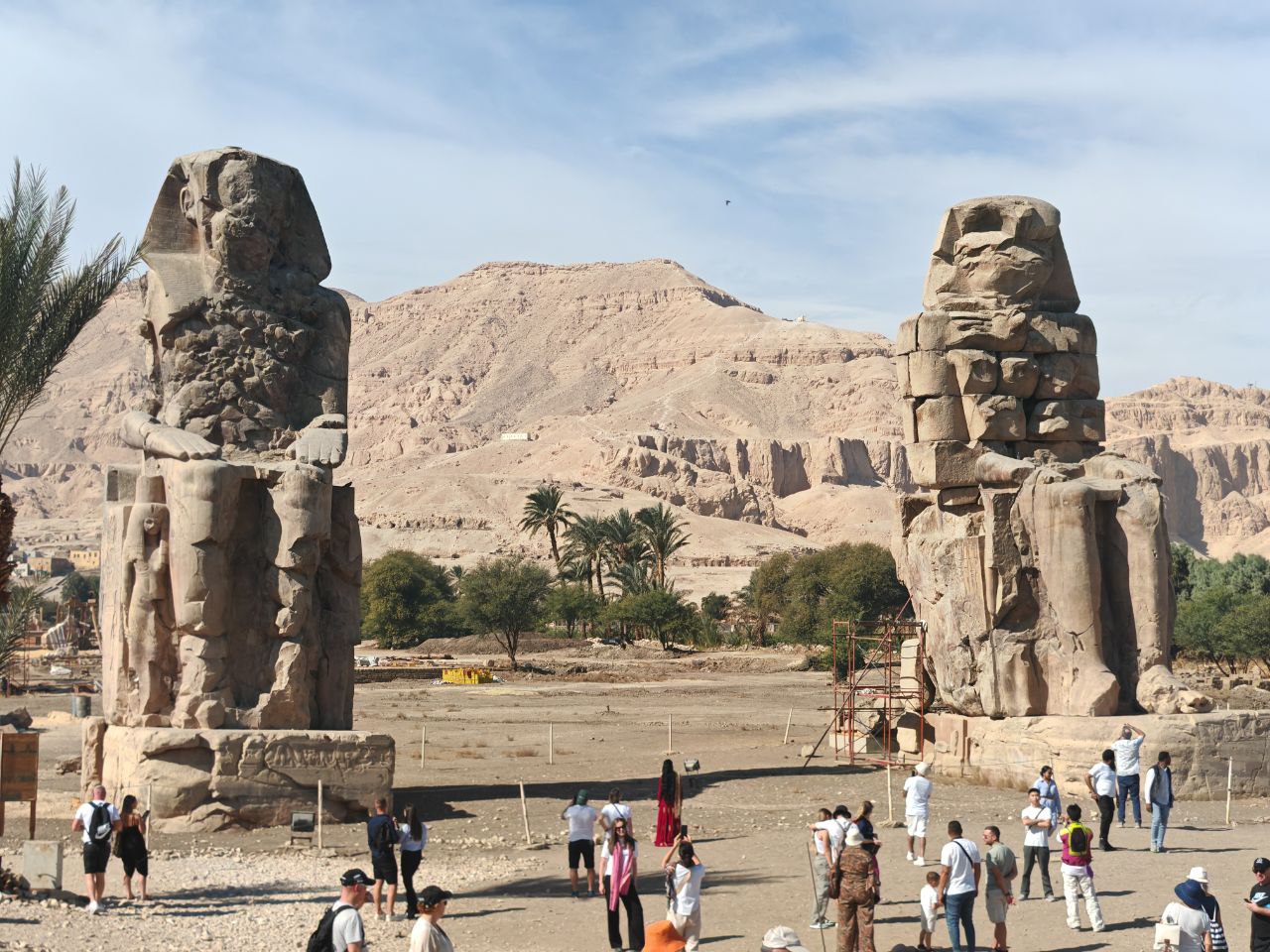
  • Colossi of Memnon

Its strategic location connects it directly to other major Luxor historical sites, making it an essential stop on any West Bank tour.


Who Was Queen Hatshepsut?

The Female Pharaoh of Ancient Egypt

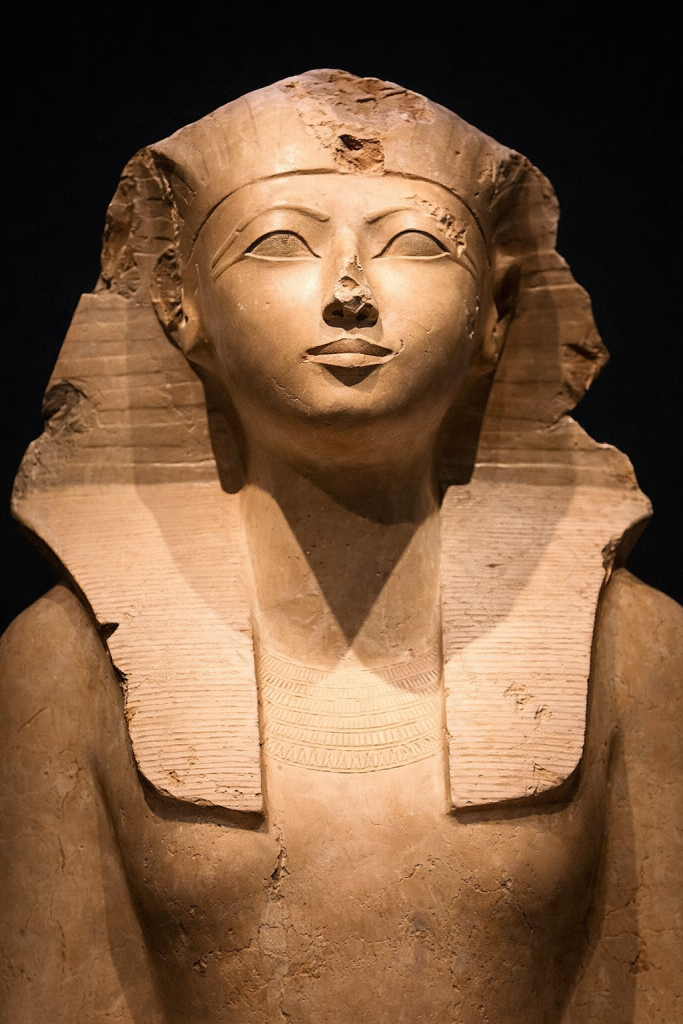
Queen Hatshepsut was one of the most powerful and successful rulers of Ancient Egypt. She ruled during the 18th Dynasty (around 1479–1458 BC).

Unlike most royal women, Hatshepsut declared herself Pharaoh — not just queen. She even adopted traditional male pharaonic symbols, including:

  • The royal false beard
  • Male royal attire
  • Pharaoh titles

Her reign was marked by peace, prosperity, and massive construction projects, including the magnificent Hatshepsut Temple.

Hatshepsut Temple

Why Was the Mortuary Temple of Hatshepsut Built?

Religious Purpose

The Hatshepsut Temple was built as a mortuary temple, meaning it was designed for:

  • Worship after her death
  • Religious rituals
  • Honoring the god Amun

Ancient Egyptians believed the soul required offerings and ceremonies to live in the afterlife. This temple ensured Hatshepsut’s eternal legacy.

Political Purpose

The temple also served a political role. Through reliefs and inscriptions, Hatshepsut:

  • Claimed divine birth
  • Showed support from the gods
  • Strengthened her legitimacy as a female ruler

This makes the Temple of Hatshepsut not only religious but also deeply political.


Architecture of Hatshepsut Temple

A Revolutionary Design

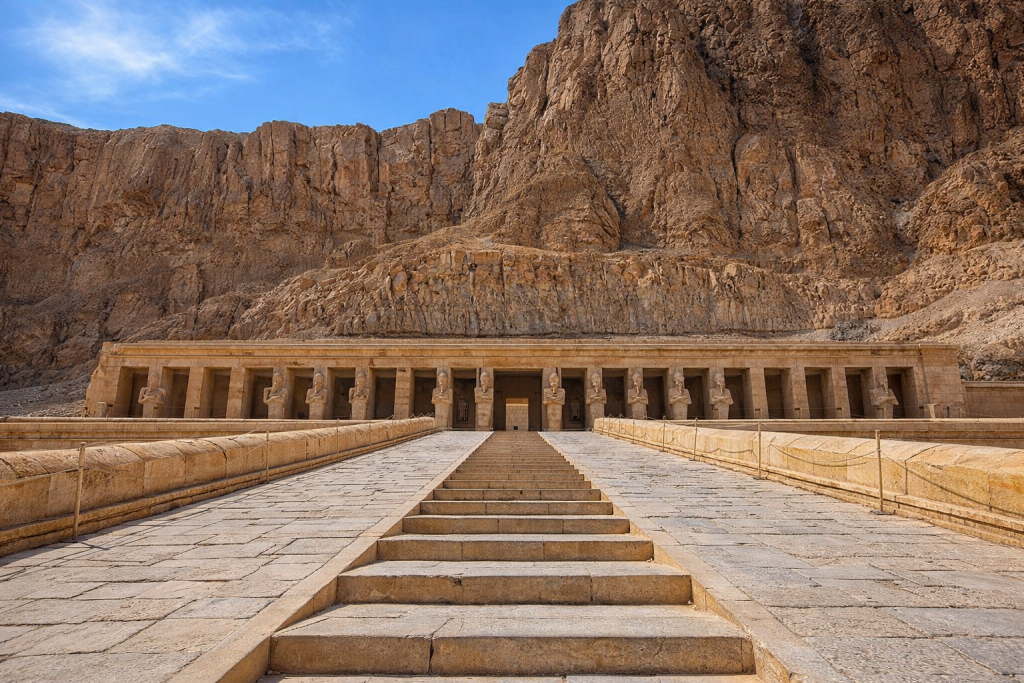
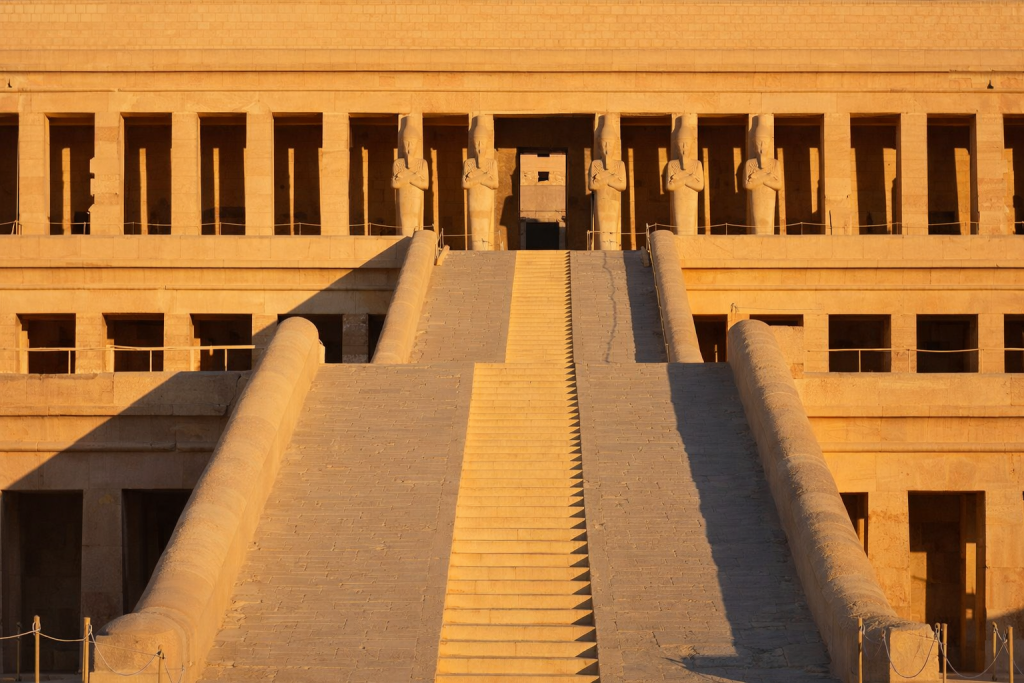
Unlike traditional Egyptian temples, the Hatshepsut Temple features:

  • Three massive terraces
  • Colonnaded porticoes
  • Long ramps connecting levels
  • Symmetry with the surrounding cliffs

The architect Senenmut designed the temple to blend naturally into the mountain backdrop.

Hatshepsut Temple

The Three Terraces Explained

First Terrace

The lower courtyard once had gardens filled with:

  • Exotic trees
  • Myrrh plants
  • Decorative pools

It symbolized fertility and divine blessing.

Second Terrace

The second level contains famous reliefs showing:

  • The Divine Birth of Hatshepsut
  • The Expedition to the Land of Punt

These carvings are among the most important historical records in Ancient Egypt.

Third Terrace

The upper terrace includes:

  • Sanctuary of Amun
  • Solar court
  • Chapels dedicated to Anubis and Hathor

This was the most sacred part of the temple.

Hatshepsut Temple

The Expedition to Punt

One of the most fascinating stories carved into the Temple of Hatshepsut walls is the expedition to the Land of Punt.

This trade mission brought:

  • Gold
  • Ebony
  • Ivory
  • Exotic animals
  • Incense trees

The detailed reliefs show ships, foreign lands, and even the Queen of Punt — offering rare insight into ancient trade relations.


Divine Birth Reliefs

The temple walls illustrate a powerful message:
Hatshepsut claimed she was the daughter of the god Amun.

These scenes show:

  • Amun visiting her mother
  • Her divine conception
  • Gods blessing her rule

This was a strategic move to strengthen her authority as Pharaoh.


Hatshepsut Temple and the Valley of the Kings

Although located near the Valley of the Kings, the Hatshepsut Temple is a separate site.

  • The Valley of the Kings was for royal tombs.
  • The Temple of Hatshepsut was for worship and rituals.

Her actual tomb (KV20) is located inside the Valley of the Kings.


Destruction and Restoration

After her death, her stepson Thutmose III attempted to erase her legacy.

Many statues were destroyed and her name was removed from monuments.

However, modern archaeology restored much of the Hatshepsut Temple Luxor site. Today, it stands as one of Egypt’s best-preserved temples.


Visiting Hatshepsut Temple Today

Opening Hours

Usually open daily from early morning until late afternoon.

Best Time to Visit

Early morning is ideal to:

  • Avoid crowds
  • Escape the heat
  • Capture stunning photos

Ticket Information

Tickets are purchased separately or included in West Bank tours.


Why Hatshepsut Temple is Unique

  • Built by a female Pharaoh
  • Unique architectural harmony with nature
  • Historical reliefs of international trade
  • Political propaganda carved in stone
  • One of the most photogenic temples in Egypt

It represents power, ambition, intelligence, and divine kingship.


Photography Tips

  • Visit during sunrise for golden lighting.
  • Capture wide-angle shots to show scale.
  • Include the cliffs in background frames.

Travel Tips for Luxor Visitors

When planning your Luxor tour:

  • Combine Hatshepsut Temple with Valley of the Kings
  • Bring water and sunscreen
  • Wear comfortable walking shoes
  • Hire a licensed guide for deeper understanding

Frequently Asked Questions About Hatshepsut Temple

Is Hatshepsut Temple worth visiting?

Absolutely. It is one of the top attractions in Luxor West Bank.

How long does a visit take?

Approximately 1–2 hours.

Is it close to the Valley of the Kings?

Yes, only a few minutes by car.


Final Thoughts: Why You Should Visit Hatshepsut Temple

The Temple of Hatshepsut is more than stone and columns. It is a story of ambition, power, and resilience.

For travelers exploring Ancient Egyptian temples, visiting Hatshepsut Temple Luxor is an unforgettable experience.

It remains one of the greatest architectural achievements in Egypt and a must-see destination for anyone interested in history, culture, and royal legacy.

Hatshepsut Temple

Valley of the Kings Egypt – The Ultimate Guide to the Tombs of the Pharaohs1


The Valley of the Kings is one of the most extraordinary archaeological sites in the world and a must-visit destination for anyone traveling to Luxor, Egypt. Located on the West Bank of the Nile, this ancient burial ground was once the final resting place of Egypt’s most powerful pharaohs during the New Kingdom period (1550–1070 BC).

Famous for its richly decorated tombs, mysterious hieroglyphs, and deep connection to ancient Egyptian beliefs about the afterlife, the Valley of the Kings continues to attract historians, archaeologists, and tourists from all over the globe.


Where Is the Valley of the Kings Located?

The Valley of the Kings is situated on the western side of Luxor, opposite the modern city, in an area known as the Theban Necropolis.

Why the West Bank Was Chosen

In ancient Egyptian mythology, the west was associated with death and the afterlife, as it was where the sun set each day. For this reason, the West Bank of Luxor became the sacred burial ground for kings, queens, and nobles.


History of the Valley of the Kings

The Valley of the Kings was used as a royal cemetery for nearly 500 years, primarily during Egypt’s New Kingdom.

From Pyramids to Hidden Tombs

Unlike the Old Kingdom pharaohs who built pyramids, New Kingdom rulers chose hidden rock-cut tombs to:

  • Protect treasures from tomb robbers
  • Conceal burial locations
  • Reflect evolving religious beliefs

These tombs were carved deep into limestone cliffs and sealed after burial.


How Many Tombs Are in the Valley of the Kings?

To date, archaeologists have discovered over 60 tombs, officially labeled with “KV” numbers (King’s Valley).

Tomb Numbering System

  • KV1, KV2, KV3… etc.
  • New tombs are still being discovered, proving the valley remains an active archaeological site.

The Most Famous Tombs in the Valley of the Kings

Tomb of Tutankhamun (KV62)

The most famous tomb in the Valley of the Kings belongs to King Tutankhamun. Discovered in 1922 by Howard Carter, it was found nearly intact, filled with golden treasures.

Why it matters:

  • Changed global understanding of ancient Egypt
  • Treasures now displayed in Egyptian museums
  • A separate ticket is required to enter

Tomb of Ramesses II

Ramesses II, also known as Ramesses the Great, ruled for over 60 years. His tomb showcases:

  • Detailed wall paintings
  • Scenes from the Book of the Dead
  • Powerful depictions of gods and the afterlife

Tomb of Seti I

Considered the most beautifully decorated tomb in the valley, the tomb of Seti I features:

  • Exceptional artwork
  • Vibrant colors
  • Long corridors with religious texts

Ancient Egyptian Beliefs About the Afterlife

The Valley of the Kings was not just a burial place—it was a spiritual gateway to eternity.

The Book of the Dead

Tomb walls were covered with sacred texts designed to guide the pharaoh safely through the afterlife.

Preservation of the Body

Mummification ensured the soul could reunite with the body, allowing eternal life.


Architecture and Design of the Tombs

Each tomb in the Valley of the Kings follows a complex architectural plan:

  • Long corridors
  • Burial chambers deep underground
  • Astronomical ceilings
  • Symbolic colors and carvings

These designs evolved over time as religious ideas developed.


Visiting the Valley of the Kings Today

Opening Hours

  • Daily from early morning until late afternoon
  • Best visited early to avoid crowds and heat

Ticket Information

Standard ticket allows entry to three tombs
Special tickets required for:

  • Tutankhamun
  • Seti I

Best Time to Visit the Valley of the Kings

The ideal time to visit is:

  • October to April (cooler weather)
  • Early morning hours

This ensures a more comfortable and enjoyable experience.


Photography Rules Inside the Tombs

  • Photography may require an additional ticket
  • Flash photography is prohibited
  • Some tombs restrict photos entirely

Always follow local guidelines to protect the artwork.


Valley of the Kings and Luxor Tourism

The Valley of the Kings is a cornerstone of Luxor tourism, often combined with visits to:

  • Hatshepsut Temple
  • Colossi of Memnon
  • Karnak Temple
  • Luxor Temple

Tour operators like Zoya Tours offer guided experiences, making exploration easier and more informative.


Tips for Visitors

H3: Practical Travel Tips

  • Wear comfortable shoes
  • Bring water and sun protection
  • Respect archaeological sites

Guided Tours vs. Solo Visits

A guided tour enhances understanding of:

  • Hieroglyph meanings
  • Tomb symbolism
  • Historical context

Why the Valley of the Kings Is a Must-Visit Destination

The Valley of the Kings represents the peak of ancient Egyptian civilization. It combines:

  • History
  • Religion
  • Art
  • Architecture

No visit to Egypt is complete without exploring this legendary site.

Final Thoughts

The Valley of the Kings in Luxor, Egypt, is more than an ancient cemetery—it is a timeless record of humanity’s quest for immortality. From the hidden tomb of Tutankhamun to the breathtaking art of Seti I, every corner tells a story that has survived thousands of years.

Whether you are a history enthusiast, a cultural traveler, or a first-time visitor to Egypt, the Valley of the Kings promises an unforgettable journey into the heart of ancient civilization.

Valley of the Kings

Luxor Temple: A Timeless Monument of Ancient Egyptian Civilization 1

Luxor Temple is one of the most remarkable and well-preserved ancient temples in Egypt. Located in the heart of modern Luxor city on the east bank of the Nile River, the temple stands as a powerful symbol of Ancient Egyptian religious, political, and architectural brilliance. Unlike many temples built in remote desert locations, Luxor Temple was designed to be accessible, making it an essential part of daily life in ancient Thebes.

Today, Luxor Temple is considered one of the top tourist attractions in Luxor, attracting millions of visitors from around the world every year.


Location of Luxor Temple and Its Strategic Importance

Luxor Temple is uniquely situated in the center of Luxor city, surrounded by hotels, markets, and the Nile Corniche. One of its most important features is its connection to Karnak Temple through the famous Avenue of Sphinxes, also known as the Avenue of Rams.

This sacred road played a crucial role in ancient religious festivals and reinforces Luxor Temple’s importance in the spiritual landscape of Ancient Egypt.


History of Luxor Temple

The construction of began during the reign of Amenhotep III in the 14th century BCE, during the height of the New Kingdom period. Later, Ramesses II expanded the temple, adding massive statues, pylons, and inscriptions celebrating his military victories.

Unlike funerary temples, was primarily dedicated to the rejuvenation of kingship and divine authority rather than worship alone.


Pharaohs Who Contributed

Amenhotep III

  • Founder of the core structure
  • Built the inner sanctuaries and colonnades

Ramesses II

  • Constructed the grand entrance pylon
  • Installed colossal statues and obelisks

Tutankhamun & Horemheb

  • Added decorative reliefs and religious scenes

These contributions make Luxor Temple a historical record of multiple generations of Ancient Egyptian rulers.


Architectural Design of Luxor Temple

The architectural layout of reflects the sophistication of Ancient Egyptian temples.

The First Pylon

  • Massive gateway built by Ramesses II
  • Decorated with battle scenes and royal reliefs

The Great Courtyard

  • Surrounded by columns and statues
  • Used for public ceremonies

The Colonnade of Amenhotep III

  • Elegant papyrus-shaped columns
  • One of the most photographed sections

Sanctuary of Amun

  • The holiest area of the temple
  • Accessible only to priests and the king
Luxor Temple

Religious Significance of Luxor Temple

was primarily dedicated to the Theban Triad:

  • Amun-Ra
  • Mut
  • Khonsu

The temple played a central role in legitimizing the divine power of the pharaoh, reinforcing the belief that the king ruled by the will of the gods.


The Opet Festival and Luxor Temple

One of the most important religious events associated was the Opet Festival. During this annual celebration, statues of the gods were transported from to Luxor Temple via the Avenue of Sphinxes or by boat along the Nile.

The festival symbolized:

  • Renewal of royal authority
  • Fertility and rebirth
  • Harmony between gods and humans

Luxor Temple at Night: A Magical Experience

Visiting Luxor Temple at night offers a completely different experience. Strategic lighting highlights the temple’s carvings, columns, and statues, creating an unforgettable atmosphere.

Night visits are extremely popular among tourists and photographers, making it a key feature of tourism

Luxor Temple
Luxor Temple at Night

Luxor Temple Through Different Historical Periods

is unique because it reflects layers of history beyond the Pharaonic era:

  • Converted into a Christian church during the Roman period
  • Mosque of Abu Al-Haggag built within the temple during Islamic rule

This coexistence of civilizations makes a rare example of cultural continuity over thousands of years.


Tourism Importance of Luxor Temple

is a cornerstone of Egypt’s tourism industry:

  • One of the most visited temples in Egypt
  • Central stop in Nile cruise itineraries
  • Included in almost all Luxor tour packages

Its central location makes it ideal for short visits, day tours, and evening excursions.


Best Time to Visit

  • October to April for pleasant weather
  • Early morning for fewer crowds
  • Evening visits for photography and ambiance

Visitor Tips

  • Wear comfortable walking shoes
  • Bring water, especially in summer
  • Hire a licensed tour guide for deeper understanding
  • Combine your visit with Karnak Temple and the Avenue of Sphinxes

Why Is One of Egypt’s Greatest Monuments

Luxor Temple stands out because:

  • It symbolizes divine kingship rather than funerary rituals
  • It blends religious, political, and cultural history
  • It remains active within a living city
  • It represents the peak of Ancient Egyptian architecture

Conclusion

is more than just an archaeological site—it is a living testament to the greatness of Ancient Egyptian civilization. Its historical depth, architectural brilliance, and spiritual importance make it one of the most significant monuments in Egypt and the world.

For anyone interested in history, culture, or Luxor tourist attractions, a visit to Luxor Temple is an unforgettable journey through time.


Karnak Temple: The Complete Guide to the Largest Ancient Temple Complex in Egypt

Karnak Temple Overview

Karnak Temple is one of the most remarkable archaeological sites in the world and the largest religious complex ever constructed by ancient civilization. Located on the east bank of the Nile River in Luxor, Egypt, Karnak Temple represents more than two thousand years of religious devotion, architectural innovation, and political power in ancient Egypt.

Unlike other temples built by a single ruler, Karnak Temple was expanded by dozens of pharaohs over many centuries, making it a living historical record carved in stone. Today, Karnak Temple is considered one of the most important tourist attractions in Egypt and a must-visit destination for travelers interested in history, culture, and ancient architecture.

Where Is Karnak Temple Located?

Karnak Temple is situated in the city of Luxor, formerly known as ancient Thebes, which served as the capital of Egypt during the New Kingdom period.

Key Location Details

  • Country: Egypt
  • City: Luxor
  • Nile Bank: East Bank
  • Distance from Luxor Temple: Approximately 2.7 kilometers

Karnak Temple is connected to Luxor Temple by the famous Avenue of Sphinxes, which played a vital role in ancient religious processions.


The History of Karnak Temple

The history of Karnak Temple spans more than 2,000 years, beginning around 2000 BCE during the Middle Kingdom and continuing until the Greco-Roman period.

Pharaohs Who Built Karnak Temple

Many of Egypt’s greatest rulers contributed to the construction and expansion of Karnak Temple, including:

  • Senusret I
  • Hatshepsut
  • Thutmose III
  • Amenhotep III
  • Seti I
  • Ramesses II

Each pharaoh added new pylons, halls, chapels, statues, and obelisks, transforming Karnak Temple into the massive complex seen today.


Religious Significance of Karnak Temple

Karnak Temple was primarily dedicated to Amun-Ra, the king of the ancient Egyptian gods, along with the other members of the Theban Triad.

The Theban Triad

  • Amun-Ra: God of creation and the sun
  • Mut: Goddess of motherhood
  • Khonsu: God of the moon

Karnak Temple served as the spiritual heart of ancient Egypt, where religious rituals, festivals, and offerings were performed daily by powerful priesthoods.


Architectural Layout of Karnak Temple

The Karnak Temple complex covers more than 200 acres and is divided into three main precincts.

The Precinct of Amun-Ra

This is the largest and most significant area of Karnak Temple. It contains the main temples, pylons, and ceremonial halls.

The Precinct of Mut

Located south of the main complex, this area was dedicated to the goddess Mut and includes smaller temples and sacred lakes.

The Precinct of Montu

Dedicated to Montu, the god of war, this section reflects the military power of ancient Egypt.


The Great Hypostyle Hall at Karnak Temple

One of the most impressive features of Karnak Temple is the Great Hypostyle Hall, an architectural masterpiece of ancient engineering.

Hypostyle Hall Facts

  • Area: Over 5,000 square meters
  • Columns: 134 massive stone columns
  • Height of central columns: Over 21 meters
  • Decoration: Hieroglyphs and relief carvings

The columns were designed to resemble papyrus plants, symbolizing creation and rebirth in ancient Egyptian belief.

karnak temple

Obelisks of Karnak Temple

Karnak Temple is home to several granite obelisks that once stood as symbols of divine power.

Hatshepsut’s Obelisk

One of the tallest surviving obelisks in Egypt, Hatshepsut’s obelisk was carved from red granite and inscribed with texts honoring Amun-Ra.

Obelisks at Karnak Temple were designed to capture the sun’s rays, reinforcing the connection between the gods and the pharaoh.


The Sacred Lake of Karnak Temple

The Sacred Lake at Karnak Temple played an essential role in religious ceremonies.

Purpose of the Sacred Lake

  • Ritual purification of priests
  • Symbolic representation of the primordial waters
  • Preparation for major festivals

The lake remains one of the best-preserved elements of the Karnak Temple complex.


The Avenue of Sphinxes and the Opet Festival

The Avenue of Sphinxes connected Karnak Temple to Luxor Temple and was used during the famous Opet Festival.

The Opet Festival

During this annual celebration, statues of Amun-Ra, Mut, and Khonsu were carried from Karnak Temple to Luxor Temple, symbolizing renewal, fertility, and divine kingship.


Wall Reliefs and Inscriptions in Karnak Temple

The walls of Karnak Temple are covered with detailed inscriptions that document ancient Egyptian history.

What the Reliefs Depict

  • Military victories of pharaohs
  • Religious rituals and offerings
  • Daily life in ancient Egypt
  • Relations between gods and kings

Among the most famous inscriptions are records of the military campaigns of Thutmose III.


Visiting Karnak Temple Today

Karnak Temple is open to visitors throughout the year and remains one of Luxor’s most popular attractions.

Best Time to Visit Karnak Temple

  • Early morning to avoid crowds
  • Late afternoon for photography
  • Evening for the Sound and Light Show

How Long Does a Visit Take?

A typical visit to Karnak Temple lasts between two and three hours.


Sound and Light Show at Karnak Temple

The Sound and Light Show at Karnak Temple offers visitors a unique nighttime experience.

What to Expect

  • Illuminated temples and columns
  • Storytelling about ancient Egyptian history
  • Multilingual narration

This show provides a dramatic way to explore Karnak Temple after sunset.


Why Karnak Temple Is a UNESCO World Heritage Site

Karnak Temple is part of the UNESCO World Heritage Site of Ancient Thebes, recognized for its outstanding cultural and historical value.

Reasons for UNESCO Recognition

  • Exceptional architectural scale
  • Historical continuity across centuries
  • Profound religious significance

Karnak Temple Compared to Other Egyptian Temples

What makes Karnak Temple unique is its immense size and long construction history. No other temple in Egypt matches its scale, complexity, or symbolic importance.


Frequently Asked Questions About Karnak Temple

Is Karnak Temple older than Luxor Temple?

Yes, Karnak Temple is older and significantly larger.

Can Karnak Temple be visited without a guide?

Yes, but hiring a guide greatly enhances understanding of the site.


Conclusion: The Timeless Legacy of Karnak Temple

Karnak Temple stands as one of humanity’s greatest architectural achievements. From its towering columns to its sacred rituals, Karnak Temple tells the story of ancient Egypt’s spiritual, political, and artistic brilliance.

Visiting Karnak Temple is not just a tour—it is a journey through time, faith, and civilization

Stanley Bridge, Alexandria: Complete Tourist & Historical Guide 1

Introduction to Stanley Bridge

Stanley Bridge is one of Alexandria’s most iconic landmarks, combining stunning architecture with breathtaking sea views. Located in the heart of the Stanley area, the bridge connects the Corniche to other vital parts of Alexandria, making it a favorite spot for both locals and tourists.

Stanley Bridge is more than just a road; it is a tourist attraction offering an experience of history, architecture, and nature. Visitors can enjoy walking along the bridge or taking panoramic photos of the Corniche and Alexandria Port.


History of Stanley Bridge

Construction and Purpose

Stanley Bridge was constructed in the mid-20th century with the primary goal of improving traffic flow and connecting Alexandria’s neighborhoods. The bridge was named after the Stanley area, which has been a hub of cultural and recreational activities since the 1920s.

Historical Significance

The bridge represents Alexandria’s urban development and highlights the maritime spirit of the city. It stands as a symbol of modern infrastructure and reflects the city’s progress over the decades.


Architecture and Design of Stanley Bridge

Bridge Design

Stanley Bridge features a functional yet elegant design that accommodates both vehicles and pedestrians. Constructed with reinforced concrete and steel, it includes pedestrian walkways on both sides, making walking on the bridge a pleasant experience.

Views and Panoramas

The bridge provides breathtaking panoramic views of the Alexandria Corniche and Alexandria Port, especially during sunset, making it a perfect spot for photography enthusiasts.

Stanley Bridge

Tourist Attractions Around Stanley Bridge

Stanley Beach

Located close to the bridge, Stanley Beach features golden sands and clear waters, making it ideal for family outings and leisure activities.

Cafes and Restaurants on the Corniche

Several cafes and restaurants near the bridge offer delicious local and international cuisine with stunning views of the Mediterranean Sea.

Family-Friendly Areas

Nearby areas feature small play zones and recreational spaces, making the location perfect for families with children.

Alexandria Maritime Museum

Just a short distance from the bridge, the Alexandria Maritime Museum offers insights into the city’s naval history and its significance as a major port.


Activities at Stanley Bridge

Walking and Strolling

Visitors can enjoy walking along the bridge, with dedicated pedestrian paths providing a comfortable and refreshing stroll with sea breezes.

Photography

Stanley Bridge is an excellent location for panoramic photography, capturing both the Corniche and the port, particularly at sunrise and sunset.

Exploring Nearby Landmarks

Visitors can combine their trip to Stanley Bridge with other nearby attractions, such as Qaitbay Citadel, Montaza Gardens, and Stanley Beach, for a full Alexandria experience.


Tips for Visiting Stanley Bridge

  • Best Time to Visit: Early morning or late afternoon for mild weather and perfect views.
  • Wear Comfortable Shoes: Especially if you plan to walk along the bridge or explore nearby areas.
  • Plan a Full Tour: Combine your visit with nearby attractions for a comprehensive day trip.

Why Visit Stanley Bridge?

  1. Unique Landmark: A perfect blend of modern architecture and natural beauty.
  2. Spectacular Views: Offers panoramic views of the Mediterranean Sea and Alexandria Corniche.
  3. Photography Spot: Ideal for taking personal or tourist photos.
  4. Central Location: Close to vital areas, cafes, restaurants, and recreational spaces.

Stanley Bridge in Alexandria is more than just a crossing point—it is a tourist landmark that offers a mix of history, scenic views, and leisure. Whether you are a fan of history, photography, or seaside walks, Stanley Bridge provides a unique and memorable experience for all visitors.


Nearby Attractions Around Stanley Bridge

Montaza Palace and Gardens

Just a short drive from Stanley Bridge lies Montaza Palace and its sprawling gardens, one of Alexandria’s most famous landmarks. Visitors can explore the beautifully landscaped gardens, relax by the seaside, or take photos with the historic palace as a backdrop. The area is perfect for family outings or romantic walks along the Mediterranean coastline.

Qaitbay Citadel

Located a few kilometers west of the bridge, Qaitbay Citadel is a historic fortress built in the 15th century. Visitors often combine a trip to the bridge with a visit to the citadel to enjoy a mix of history and modern sightseeing in one day. The citadel offers panoramic views of the sea and the city, which pair perfectly with the views from Stanley Bridge.
Alexandria Corniche

The Alexandria Corniche stretches along the coast, connecting Stanley Bridge with other key areas of the city. It is lined with cafes, restaurants, and walking paths. A stroll along the Corniche allows visitors to experience Alexandria’s vibrant atmosphere while enjoying scenic views of the Mediterranean Sea.

Activities to Enjoy at Stanley Bridge

Walking and Jogging

Stanley Bridge is not only for crossing the road—it’s ideal for a morning jog or a leisurely walk. The pedestrian paths are safe, wide, and offer refreshing sea breezes. Many locals and tourists enjoy walking here to start the day energized or to relax in the evening.

Photography and Sunset Watching

The bridge provides unobstructed panoramic views of the Alexandria Port and the Corniche, making it a favorite spot for photography. The sunset over the Mediterranean is especially magical, creating perfect photo opportunities.

Family-Friendly Activities

Families visiting Stanley Bridge can combine a walk with nearby Stanley Beach, gardens, and recreational areas for children. It’s a safe and enjoyable area for children to play while parents relax and take in the scenery.

Dining and Relaxation

Cafes and restaurants along the Corniche near the bridge offer a variety of cuisines. Visitors can enjoy a cup of coffee or a seafood meal while watching boats pass by or simply enjoying the Mediterranean sunset.

Stanley Bridge

Travel Tips for Visiting Stanley Bridge

  1. Best Times to Visit
    Early morning or late afternoon provides cooler temperatures, less crowd, and excellent lighting for photos.
  2. Comfortable Clothing
    Wear light, comfortable clothes in summer and bring a jacket in winter evenings, as sea breezes can be cool.
  3. Combine Sightseeing
    Plan your visit with nearby attractions like Montaza Gardens, Qaitbay Citadel, and Stanley Beach for a full-day tour.
  4. Safety and Parking
    Parking is available near the Corniche, but visiting early ensures easier access. Pedestrian paths on the bridge are safe and well-maintained.
  5. Photography Essentials
    Bring a camera or smartphone with wide-angle capabilities to capture panoramic views of the bridge, sea, and Corniche.

Why Stanley Bridge is a Must-Visit

  • Iconic Landmark: Stanley Bridge is one of Alexandria’s most photographed locations.
  • Scenic Views: Offers breathtaking views of the sea, port, and city skyline.
  • Accessibility: Easily reachable from all main areas of Alexandria.
  • Nearby Attractions: Close to beaches, gardens, historical sites, and restaurants.
  • Memorable Experience: Whether for photography, walking, or dining, it offers an unforgettable experience for all types of visitors.

Conclusion

Stanley Bridge is more than just a bridge; it is a symbol of Alexandria’s maritime charm, modern architecture, and vibrant culture. From breathtaking views to family-friendly activities, and from historic attractions to relaxing seaside experiences, Stanley Bridge offers something for every visitor.

Whether you are a tourist seeking iconic landmarks, a photographer looking for stunning views, or a local enjoying a peaceful walk, Stanley Bridge in Alexandria is a destination that should not be missed.


“Explore the Stunning Catacombs of Kom El Shoqafa in Alexandria: An Unforgettable Ancient Roman-Egyptian Landmark”1


Article

Introduction

The Catacombs of Kom El Shoqafa in Alexandria are considered one of the most remarkable archaeological sites in Egypt. These ancient underground tombs date back to the Roman period and represent a unique blend of Ancient Egyptian, Greek, and Roman architecture. As one of the largest Roman catacombs ever discovered, the Kom El Shoqafa Catacombs attract tourists, historians, and archaeology enthusiasts from all over the world.

Catacombs of Kom El Shoqafa in Alexandria
the Catacombs of Kom El Shoqafa

Location of the Catacombs of Kom El Shoqafa

The Catacombs of Kom El Shoqafa are located in the Karmouz district, west of Alexandria, near Pompey’s Pillar. The name “Kom El Shoqafa” means “Mound of Shards,” referring to the broken pottery pieces found in the area by visitors who once brought food offerings for the deceased.


History of Kom El Shoqafa Catacombs

The Kom El Shoqafa Catacombs date back to the 2nd century AD, during the Roman rule of Egypt. The site was accidentally discovered in 1900 after a donkey fell into a hidden shaft, revealing the entrance to the underground complex. Since then, the catacombs have been recognized as one of the Seven Wonders of the Middle Ages due to their historical and architectural significance.


Architectural Design and Structure

The consist of three underground levels carved deep into the bedrock. These levels were designed to serve as burial chambers for wealthy families during the Roman era. The architecture is especially unique because it combines:

  • Ancient Egyptian religious symbols
  • Greek artistic elements
  • Roman construction techniques

This cultural fusion reflects Alexandria’s diverse society during ancient times.


The Central Spiral Staircase

One of the most impressive features of the Kom El Shoqafa Catacombs is the central spiral staircase. This shaft was originally used to lower bodies into the tombs using ropes. The circular design allowed for easier movement between levels and remains an architectural marvel even by modern standards.


The Hall of Caracalla

Inside the , visitors can find the Hall of Caracalla, where the remains of horses and servants were discovered. These remains are believed to belong to soldiers executed during the reign of Emperor Caracalla, adding a dramatic historical layer to the site.


Funerary Decorations and Sculptures

The walls of the Kom El Shoqafa Catacombs are decorated with carvings and statues that represent Egyptian gods such as Anubis, depicted wearing Roman military clothing. This unusual imagery highlights the religious blending that characterized Alexandria during the Roman period. The tomb chambers also contain niches for sarcophagi and funerary inscriptions.


Importance of the Catacombs for Tourism

The Catacombs of Kom El Shoqafa are among the most important Alexandria historical attractions. They are frequently included in cultural tours and are considered a must-see destination for anyone interested in:

  • Roman catacombs in Egypt
  • Ancient burial practices
  • Archaeological tourism

The site provides visitors with a deep understanding of Alexandria’s multicultural past.


Visitor Tips

  • Visit early in the morning to avoid crowds
  • Wear comfortable shoes due to stairs and uneven surfaces
  • Hiring a tour guide enhances the experience
  • Photography is allowed in certain areas

A Deeper Look into the Catacombs of Kom El Shoqafa

The Catacombs of Kom El Shoqafa stand as one of the most extraordinary archaeological discoveries in Alexandria. Unlike traditional ancient tombs, this underground complex reflects a rare cultural harmony where Egyptian beliefs, Greek artistic influence, and Roman engineering coexist in a single burial site. This unique combination makes the catacombs a key destination for anyone interested in ancient civilizations and funerary architecture.

What truly sets the Kom El Shoqafa Catacombs apart is their scale and complexity. Carved deep into solid rock, the catacombs were designed to accommodate multiple generations of burials, demonstrating the importance of family lineage during the Roman era in Egypt. The underground layout also helped preserve the tombs from surface damage, allowing many carvings and inscriptions to survive for centuries.

Catacombs of Kom El Shoqafa in Alexandria

Religious Symbolism and Cultural Fusion

One of the most fascinating aspects of the Catacombs of Kom El Shoqafa is the religious symbolism carved into the walls. Visitors can observe Egyptian deities such as Anubis and Osiris, represented with Roman-style armor and clothing. This artistic choice reflects how local Egyptian traditions adapted to Roman rule without losing their spiritual identity.

Greek influence is also visible in the decorative motifs, columns, and architectural proportions. This fusion of styles provides valuable insight into how Alexandria functioned as a multicultural hub during the Roman period, where different civilizations interacted and influenced one another.


Burial Chambers and Sarcophagi

The burial chambers inside the Kom El Shoqafa Catacombs contain niches carved into the walls for sarcophagi. These chambers were carefully planned to maximize space while maintaining religious significance. Some tombs feature inscriptions and reliefs that tell stories about the deceased, offering archaeologists a glimpse into social status, beliefs, and daily life during Roman Egypt.

Despite centuries of exposure to humidity and groundwater, many of these chambers remain remarkably intact, highlighting the advanced engineering skills used in constructing the catacombs.


Archaeological and Educational Value

Today, the Catacombs of Kom El Shoqafa in Alexandria serve as an open-air classroom for students, researchers, and historians. The site provides direct evidence of burial customs, artistic trends, and architectural innovation during the Roman era in Egypt. It is frequently studied as an example of how cultures merge under imperial rule.

The catacombs also play a vital role in promoting cultural tourism in Alexandria, helping visitors understand the city beyond its famous landmarks and coastal beauty.


Why Kom El Shoqafa Should Be on Every Travel Itinerary

A visit to the Catacombs of Kom El Shoqafa is more than a sightseeing experience—it is a journey into the underground world of ancient Alexandria. Walking through the dimly lit corridors allows visitors to connect with history in a powerful and immersive way.

For travelers seeking unique historical attractions, the Kom El Shoqafa Catacombs offer an unforgettable experience that combines mystery, history, and architectural brillianc

The Catacombs of Kom El Shoqafa in Alexandria, Egypt, are one of the most famous archaeological sites and ancient necropolises in the Mediterranean region. Dating back to the 2nd century AD, the catacombs reflect a unique blend of Roman, Greek, and Egyptian art and architecture, making them an essential destination for history enthusiasts, archaeologists, and tourists visiting Alexandria.

These multi-level underground tombs feature beautifully carved sarcophagi, intricate funerary sculptures, and impressive spiral staircases, all of which showcase the artistic and cultural fusion of ancient civilizations.

Visitors can explore the funerary chambers, admire the Greek-style pillars, and witness the Egyptian motifs that decorate the walls, highlighting the religious and cultural significance of the site.

The Catacombs of Kom El Shoqafa not only provide insight into ancient burial practices and the lifestyle of the Roman-Egyptian elite, but they also offer an unforgettable cultural and historical experience for travelers seeking to discover Alexandria’s rich heritage.

Today, the catacombs are recognized as a top tourist attraction, drawing thousands of visitors eager to explore one of Egypt’s most remarkable archaeological wonders.

A visit to this site allows for a deep understanding of Roman influence in Egypt, the fusion of ancient cultures, and the magnificent craftsmanship of the period, making it a must-see for anyone interested in ancient Egyptian and Roman history.

The Catacombs of Kom El Shoqafa in Alexandria are one of Egypt’s most remarkable archaeological sites and an iconic ancient necropolis that attracts thousands of visitors every year.

Dating back to the 2nd century AD, the Catacombs of Kom El Shoqafa in Alexandria represent a unique fusion of Roman, Greek, and Egyptian art, making them a must-visit for anyone exploring Alexandria’s rich historical heritage.

Visitors to the Catacombs of Kom El Shoqafa in Alexandria can explore multiple levels of underground tombs, intricate funerary chambers, and beautifully carved sarcophagi that showcase the craftsmanship of ancient civilizations.

The site also features spiral staircases, Greek-style pillars, and Egyptian motifs, highlighting the cultural and religious significance of the Catacombs of Kom El Shoqafa in Alexandria.

Exploring the Catacombs of Kom El Shoqafa in Alexandria offers an unforgettable experience, allowing tourists and history enthusiasts to learn about Roman-Egyptian burial practices, the lives of the elite, and the magnificent architectural achievements of the period.

Today, the Catacombs of Kom El Shoqafa in Alexandria are considered a top tourist attraction, giving visitors insight into the ancient Roman influence in Egypt and the b

The Catacombs of Kom El Shoqafa in Alexandria are one of Egypt’s most famous archaeological sites and an iconic ancient necropolis. Dating back to the 2nd century AD, the Catacombs of Kom El Shoqafa in Alexandria showcase a unique blend of Roman, Greek, and Egyptian art, making them a must-visit for tourists exploring Alexandria’s rich history.

Visitors to the Catacombs of Kom El Shoqafa in Alexandria can discover multiple levels of underground tombs, intricately carved funerary chambers, and impressive sarcophagi, all highlighting the craftsmanship of ancient civilizations.

The Catacombs of Kom El Shoqafa in Alexandria also feature spiral staircases, Greek-style pillars, and Egyptian motifs, emphasizing the cultural and religious significance of the site.

Exploring the Catacombs of Kom El Shoqafa in Alexandria provides an unforgettable experience, allowing tourists and history enthusiasts to learn about Roman-Egyptian burial practices, the lives of the elite, and the architectural achievements of the period.

The Catacombs of Kom El Shoqafa in Alexandria are considered a top tourist attraction in Alexandria, offering insight into ancient Roman influence in Egypt and the fusion of multiple ancient cultures.

A visit to the Catacombs of Kom El Shoqafa in Alexandria reveals the magnificent underground artistry, the historical importance of the necropolis, and the cultural richness of ancient Alexandria.

Every level of the Catacombs of Kom El Shoqafa in Alexandria tells a story of Egypt’s past, from its Roman-Egyptian traditions to its architectural innovations, making the site essential for any visitor seeking an authentic historical and archaeological experience.

The Royal Jewelry Museum in Alexandria “Explore the Stunning Royal Jewelry Museum in Alexandria: An Unforgettable Journey Through Egypt’s Rich Treasures”, Egypt1


The Royal Jewelry Museum in Alexandria, Egypt an Immersive Journey into Egypt’s Royal Past

Located in the elegant Zizenia district of Alexandria, the Royal Jewelry Museum stands as one of Egypt’s most exquisite cultural treasures. Known locally as the “Palace of Jewelry,” this museum offers a rare glimpse into the opulence and artistic tastes of the country’s last royal dynasty — the Muhammad Ali family — which ruled Egypt for nearly 150 years. (Egyptian Monuments)

A Palace Turned Museum: History and Architecture

The building that houses the museum was originally a private palace, constructed in 1919 by Zeinab Fahmi and completed by her daughter, Princess Fatma al‑Zahra’, granddaughter of Muhammad Ali Pasha — the founder of modern Egypt. Designed as a summer residence, the palace reflects the refined tastes of Egypt’s elite in the early 20th century and is itself a masterpiece of art and architecture. (Egyptian Monuments)“The Royal Jewelry Museum in Alexandria, Egypt

Spread across approximately 4,185 square meters, the palace features two wings — eastern and western — connected by a long corridor and surrounded by gardens. Its interiors are richly adorned with gilded ceilings, stained and painted glass windows, mosaics, and European‑style murals portraying mythological and historical scenes. The fusion of European aesthetic influences, with touches of Islamic artistry, creates an atmosphere of refined luxury that complements the treasures displayed inside. (Egyptian Monuments)

Following the 1952 Revolution, the palace was transferred to the Egyptian government and used briefly as a presidential guesthouse. By 1986, it had officially become the Royal Jewelry Museum, thanks to a presidential decree to preserve and display the vast collection of royal jewels and artifacts. After extensive restoration and modernization, including structural updates and visitor facilities, the museum was reopened in 2010 to the public, blending heritage preservation with contemporary museum standards. (EgyptToday)

The Royal Jewelry Museum in Alexandria, Egypt1

A Treasury of Royal Splendor

One of the most striking aspects of the Royal Jewelry Museum is its immense collection of royal treasures — more than 11,500 individual items chronicling nearly a century and a half of Egypt’s royal history. These pieces once belonged to members of the Muhammad Ali family, whose reign spanned from 1805 to 1952 and included rulers such as Khedive Ismail, King Fuad I, and King Farouk. (بوابة الأهرام)

The collection is arranged thoughtfully across numerous galleries, each telling a piece of Egypt’s royal story:

Royal Jewelry and Crowns

Among the most breathtaking exhibits is the platinum tiara worn by Princess Shwikar, adorned with over 2,159 diamonds, showcasing the unparalleled craftsmanship of early 20th‑century jewelers. Another highlight is Queen Farida’s diadem, a floral masterpiece of white and yellow diamonds totaling 1,506 stones. (Scoop Empire)

These ornate headpieces, along with diamond‑studded necklaces, bracelets, gemstone sets, and royal insignia, reflect not only luxury but also the symbolic role of monarchy in ceremonial life.

Personal Effects of Monarchs

The museum includes personal items of kings and queens that reveal aspects of their daily lives and personalities. For example:

  • King Farouk I’s ebony walking stick inlaid with gold and adorned with sapphires and diamonds.
  • Gold and sapphire cups, each set containing hundreds of precious stones.
  • Timepieces and watches crafted by Europe’s finest makers, reflecting the cosmopolitan tastes of the Egyptian royal family. (EgyptToday)

The exhibition also includes elaborate dining sets, medals, royal garments, and insignia from various reigns, painting a rich tapestry of aristocratic life and international relations in Egypt’s past.

Diplomatic Gifts and Antiques

Another remarkable section features gifts and antiques presented to Egyptian royalty by foreign dignitaries. One legendary piece is a gem‑ornamented ceremonial plate given to Khedive Ismail during the opening of the Suez Canal. Such items not only signify diplomatic ties but also highlight the international cultural exchanges of the 19th and early 20th centuries. (Alexandria)

The Royal Jewelry Museum in Alexandria

The Visitor’s Experience

Visiting the Royal Jewelry Museum is more than just observing glittering artifacts — it’s an immersive journey through history, art, and lifestyle. The museum’s halls are designed to evoke the sophistication of the royal era, with marble staircases leading visitors through elegantly themed rooms that transition from private royal chambers to state‑level ceremonial galleries. (Afro Asian Travel)

The museum also provides informative signage and contextual descriptions that help visitors understand not only the aesthetic value of the exhibits but also their historical significance. Many pieces offer stories of love, power, celebration, and sometimes loss — each jewel a testament to Egypt’s social and political evolution.

For architecture enthusiasts, the palace itself is a highlight. The stained glass windows cast colorful light across ornate floors; the painted ceilings evoke mythological scenes; and every corridor feels like a passage through time. Combined with the royal artifacts, these artistic details make the museum a must‑visit for anyone interested in Egypt’s aristocratic heritage. (Egyptian Monuments)


Practical Visiting Details

The Royal Jewelry Museum is generally open daily from 9:00 AM to 5:00 PM, with the ticket counter closing around 4:00 PM. Ticket prices are modest for Egyptian and Arab visitors, while international visitors pay higher admission fees — reflecting the museum’s premium status among Egypt’s cultural attractions. (Egyptian Monuments)

Photography is allowed under specific rules and typically requires a separate photography ticket, while flash and tripods may be restricted to protect sensitive exhibits. Museum facilities often include a gift shop where visitors can purchase souvenirs inspired by Egypt’s heritage. (Egyptian Monuments)

The Royal Jewelry Museum

Legacy and Cultural Significance

Beyond its dazzling jewels, the Royal Jewelry Museum serves as a bridge between eras — connecting Egypt’s modern identity with the legacy of its last royal dynasty. By preserving and exhibiting these treasures in their original architectural context, the museum creates a powerful narrative about power, art, and cultural evolution. (بوابة الأهرام)

For visitors from around the world and local Egyptians alike, the museum offers a rare opportunity to see firsthand the material culture of a bygone era — one marked by regal elegance, global influence, and rich artistic collaboration. It stands as both a historical archive and a celebration of craftsmanship unparalleled in Egypt’s modern heritage landscape.


The Roman Theatre of Alexandria: History, Architecture, and Visitor Guide

The Roman Theatre of Alexandria: History, Architecture, and Visitor Guide1


the Roman Theatre of Alexandria

The Roman Theatre of Alexandria is one of the most remarkable archaeological landmarks in Egypt and a unique example of Roman architecture in the Mediterranean region. Located in the heart of Alexandria, this ancient theatre reflects the cultural richness and historical importance of the city during the Greco-Roman period. As the only Roman theatre discovered in Egypt so far, it holds exceptional archaeological and touristic value.

Today, the Roman Theatre of Alexandria is a must-visit destination for travelers interested in history, ancient architecture, and cultural tourism.


Location of the Roman Theatre in Alexandria

The Roman Theatre is situated in the Kom El Dikka archaeological area, near Raml Station in central Alexandria. Its strategic location highlights the importance of this district during Roman rule, as it was once a vibrant residential and cultural center.

Kom El Dikka is surrounded by other historical attractions, making the Roman Theatre an essential stop on any Alexandria historical tour.


Discovery and Excavation History

The Roman Theatre of Alexandria was discovered by accident in 1960 during excavation work intended to build residential complexes. Archaeologists soon realized the historical significance of the site, leading to extensive excavations that revealed a complete Roman theatre along with surrounding Roman-era structures.

The discovery provided invaluable insights into daily life, entertainment, and urban planning in ancient Alexandria during Roman times.


Historical Background

The Roman Theatre dates back to the 4th century AD, during the late Roman period. It was constructed when Alexandria was a major cultural and administrative center of the Roman Empire.

Although initially believed to be a traditional Roman theatre for dramatic performances, later studies suggested that the structure may have also served as:

  • A music hall (Odeon)
  • A meeting place for scholars
  • A venue for poetry readings and lectures

This reflects Alexandria’s long-standing reputation as a center of learning and intellectual exchange.


Architectural Design and Structure

The Roman Theatre of Alexandria is an architectural masterpiece showcasing Roman engineering excellence combined with local influences.

Key Architectural Features:

  • Seating Rows: The theatre consists of 13 semicircular marble seating rows arranged around the stage.
  • Capacity: It could accommodate approximately 600 to 800 spectators.
  • Material: White and gray marble imported from different regions.
  • Orchestra: A paved area used for performances and gatherings.
  • Stage Area: Designed to enhance acoustics and visibility.

The design ensured excellent sound quality, allowing performances to be heard clearly throughout the theatre.

The Roman Theatre of Alexandria

The Surrounding Complex at Kom El Dikka

The Roman Theatre is part of a larger archaeological complex that includes:

  • Roman villas
  • Public baths
  • Lecture halls
  • Mosaic floors
  • Underground cisterns

These remains indicate that Kom El Dikka was a prestigious residential district for wealthy citizens and intellectuals during the Roman era.


Cultural and Social Importance

Entertainment played a vital role in Roman society, and theatres were central to social life. The Roman Theatre of Alexandria hosted various cultural activities, including:

  • Musical performances
  • Dramatic plays
  • Public speeches
  • Educational gatherings

This highlights Alexandria’s dual identity as both a political hub and an intellectual capital of the ancient world.


The Roman Theatre vs. Greek Theatres

Unlike traditional Greek theatres built into hillsides, the Roman Theatre of Alexandria was constructed on flat land using advanced engineering techniques. This allowed for:

  • Greater architectural flexibility
  • More elaborate decorative elements
  • Enhanced acoustics

The theatre’s semicircular shape and marble construction distinguish it from earlier Hellenistic designs.


Preservation and Restoration

Over the years, the Roman Theatre of Alexandria has undergone multiple restoration efforts to preserve its structure and protect it from environmental damage. The Egyptian Ministry of Tourism and Antiquities has worked to maintain the site while keeping it accessible to visitors.

These efforts ensure that the theatre remains one of the best-preserved Roman monuments in Egypt.


Visiting the Roman Theatre of Alexandria

The Roman Theatre is open to visitors year-round and is easily accessible from major parts of the city.

Visitor Tips:

  • Best visited in the morning or late afternoon
  • Ideal for history lovers and photographers
  • Combine your visit with Kom El Dikka ruins
  • Wear comfortable shoes due to uneven ground

Guided tours are recommended for a deeper understanding of the site’s historical context.


The Roman Theatre as a Tourist Attraction

The Roman Theatre of Alexandria attracts both local and international tourists. It is a key stop on:

  • Alexandria city tours
  • Cultural and archaeological tours
  • Educational trips

Its central location makes it a convenient and enriching experience for visitors exploring Alexandria’s ancient heritage.


Interesting Facts About the Roman Theatre

  • It is the only Roman theatre discovered in Egypt
  • Built primarily from marble, unlike many other Roman theatres
  • Possibly used as an Odeon rather than a traditional theatre
  • Part of a larger Roman residential complex

The Role of the Roman Theatre in Alexandria’s History

The Roman Theatre stands as a powerful symbol of Alexandria’s multicultural past, where Greek, Roman, and Egyptian influences merged. It reflects the city’s role as a bridge between civilizations and a hub for art, education, and governance.


Conclusion

The Roman Theatre of Alexandria is more than an ancient structure; it is a living testament to the city’s historical depth and cultural diversity. As one of the most important Roman monuments in Egypt, it offers visitors a unique opportunity to explore the artistic and intellectual life of ancient Alexandria.

Whether you are a history enthusiast, a cultural traveler, or a first-time visitor, the Roman Theatre of Alexandria is an essential landmark that captures the spirit of the ancient Mediterranean world.